
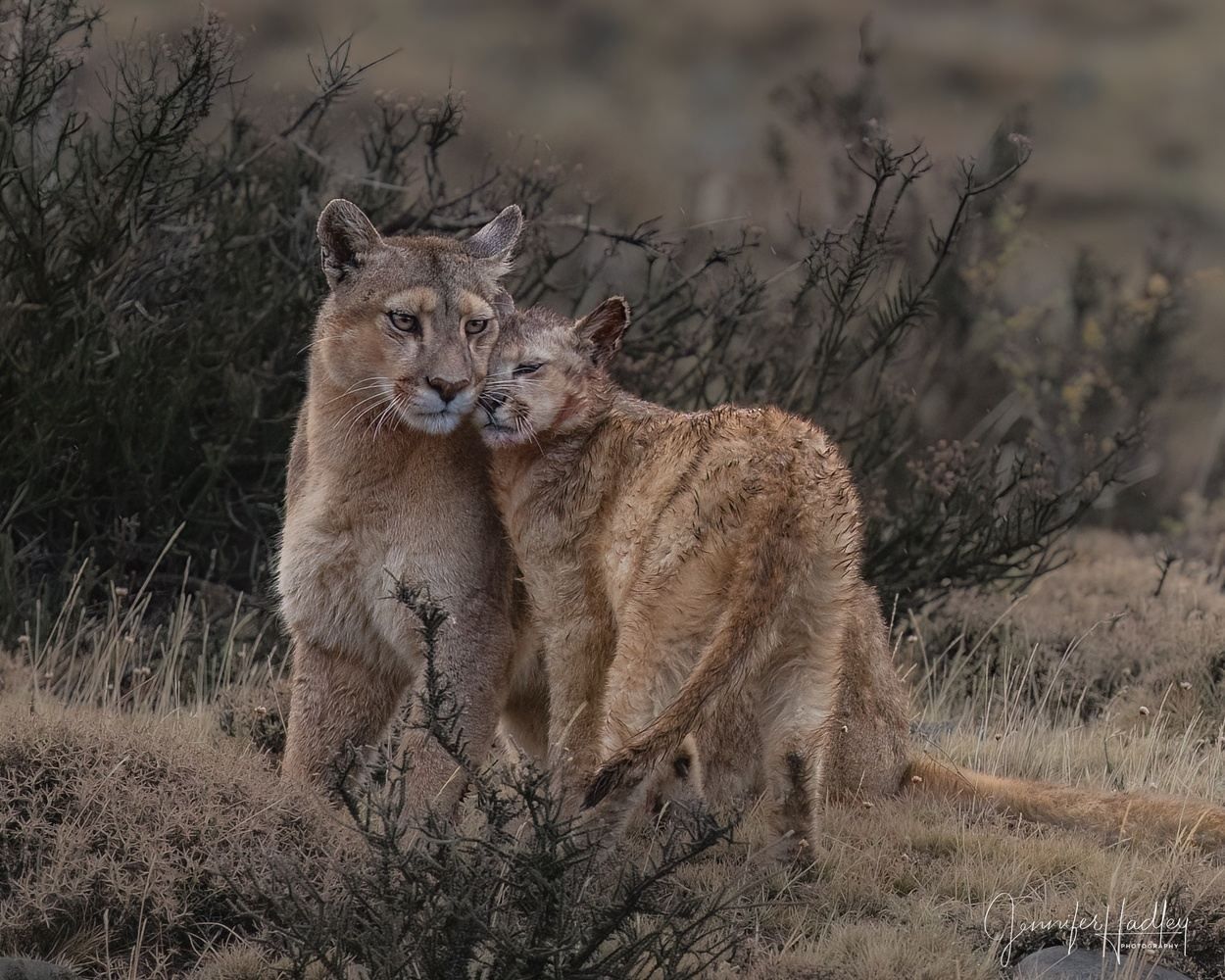
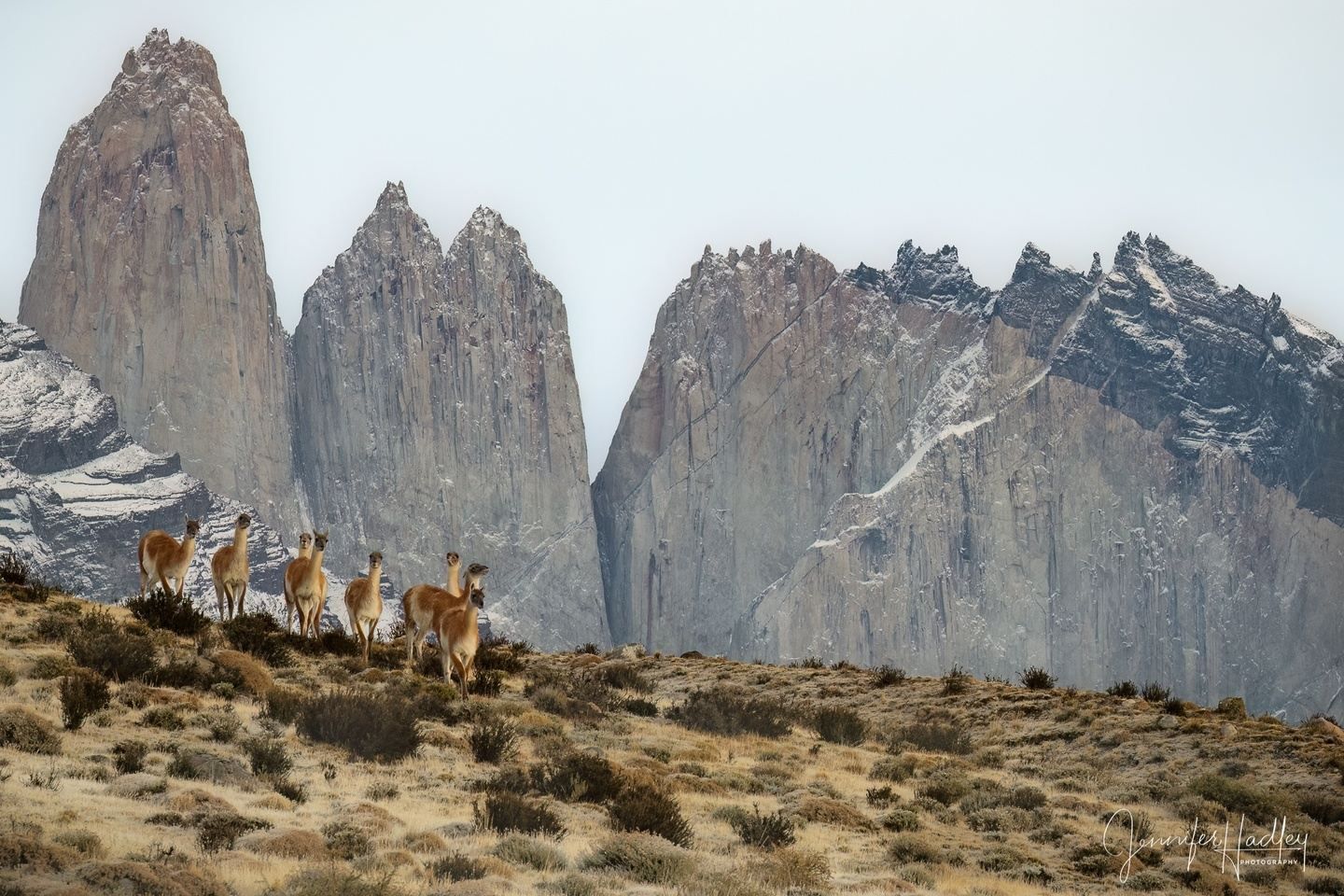
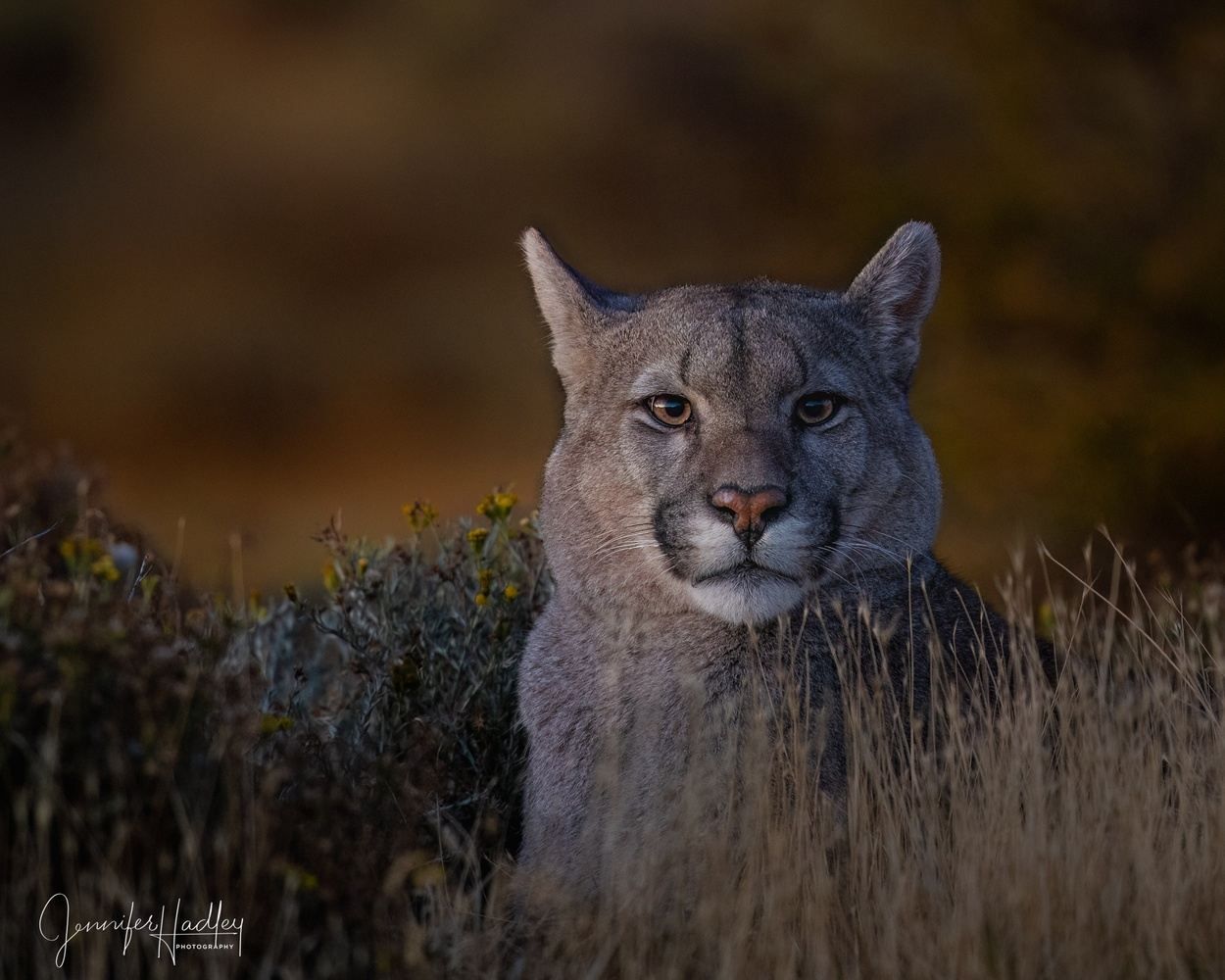
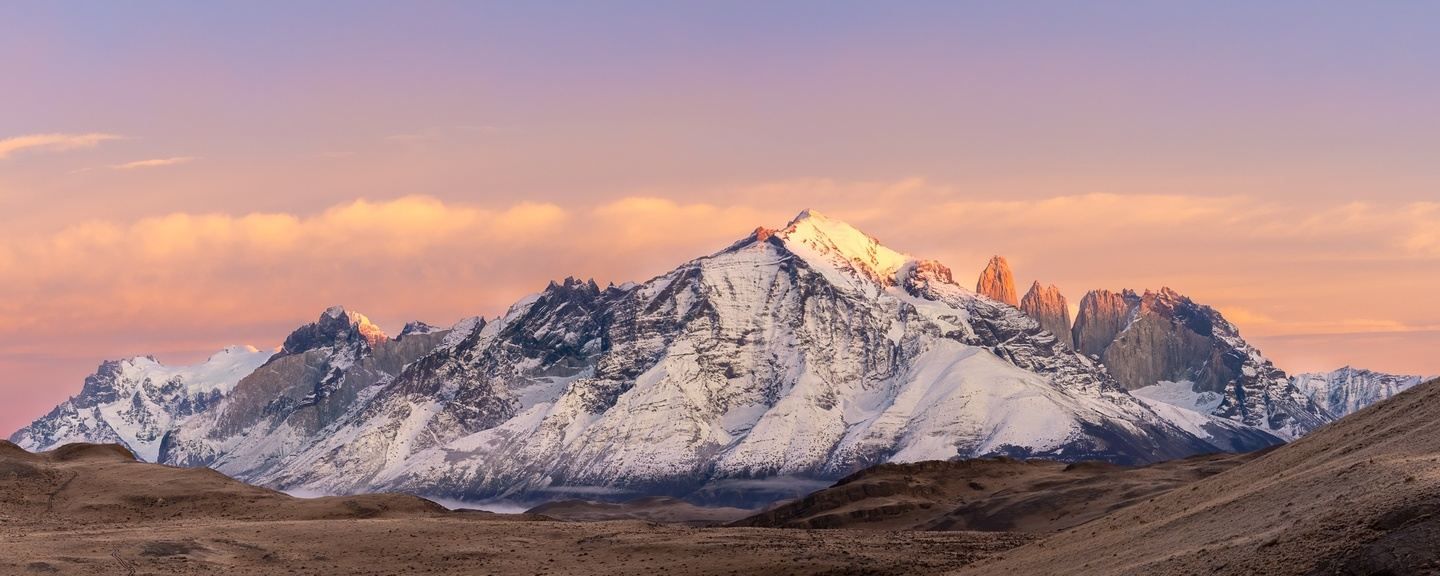
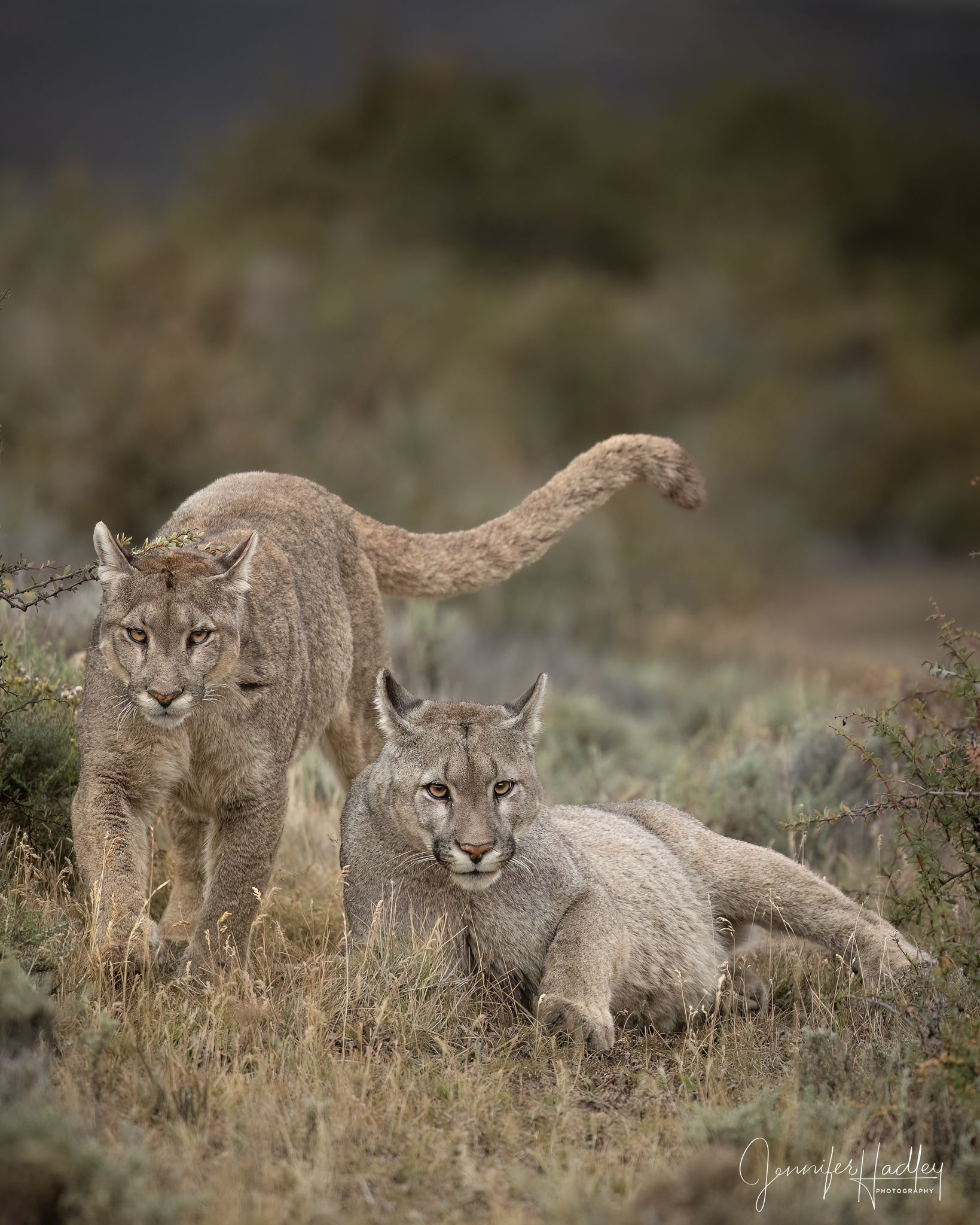
Find the best time to photograph wild pumas in Patagonia, explore seasonal differences, March conditions, natural light, and guided puma tracking.
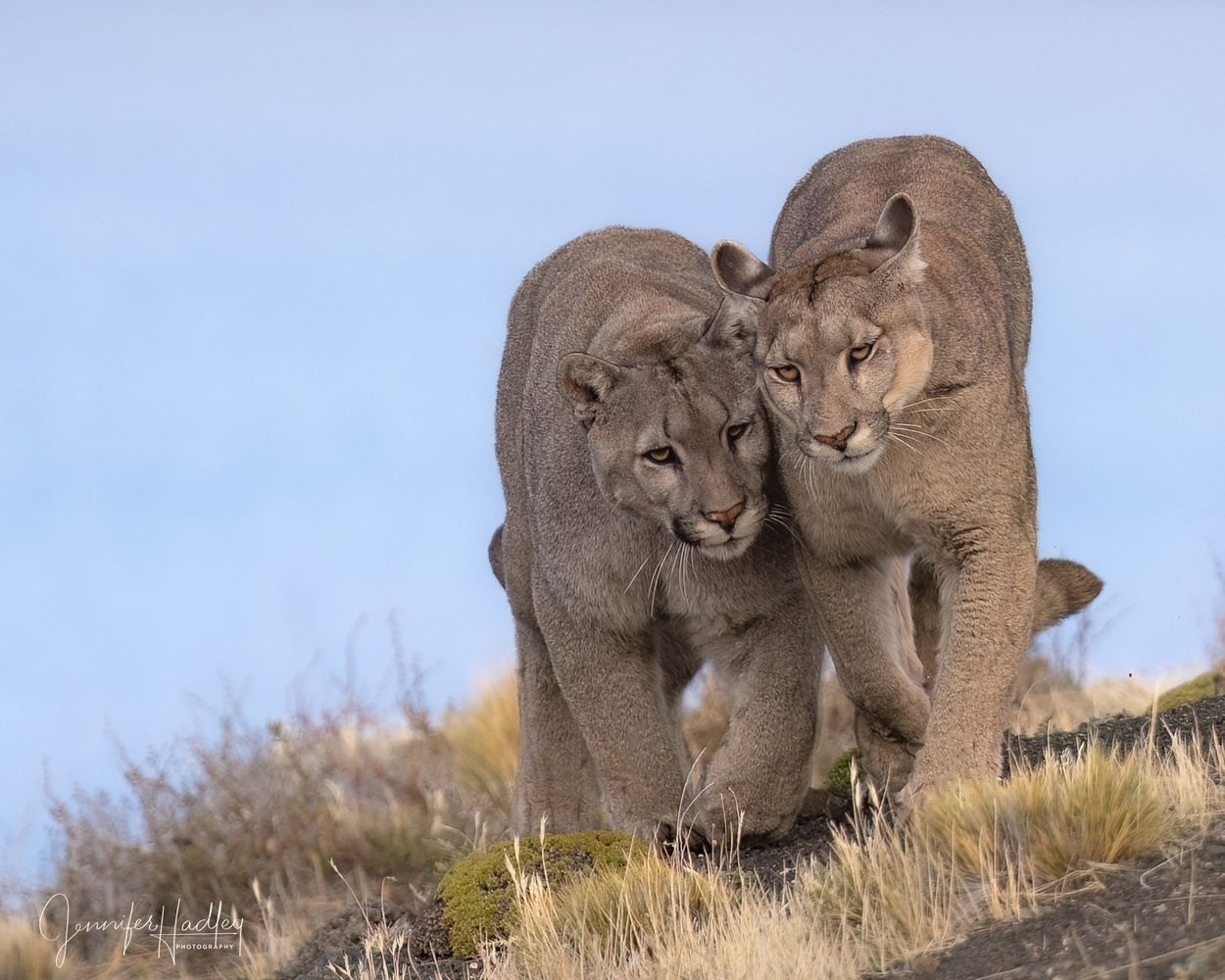
Explore Patagonia's puma habitats, private land access and guided wildlife photography trips.

You know the saying, best laid plans.......Well, my best laid plans to have a daily field journal were thwarted by too much action and not enough sleep. I can't say that's a bad thing. After a few nights of going to bed at 2 am and waking up at 4:30, exhaustion caught up with me. Not to mention that our second lodge had a hide right in camp so the mid day break was spent hunkered down watching all the animals and birds coming to the watering hole. So instead of trying to kill myself staying up until the wee hours of the morning, I just jotted down some notes and now, here are my final field journals covering the rest of the days of our journey. Day 6 We started as always early in the morning and drove to the river edge to see if the hippos were doing anything exciting. We sat for a moment and then spotted a lone hyena. We had seen very few hyenas up to this point and decided to see if we could get closer to this one to get some pics. The hyena however had other plans. He seemed to be in an extraordinary hurry, holding his head up high sniffing the air. Did you know that hyenas have an incredible sense of smell? They can smell blood and rotting flesh up to 3 miles away. We knew this hyena must be on to something and quickly followed him. We lost him in some thick brush but decided to look around the area until our keen eyed guide noticed drag marks. Aha! a telltale sign of a leopard having made a kill and dragged it either into thicker brush or up a tree. As we followed the drag marks, we found the dead impala lying in thick brush. We also found a very tired leopardess laying not too far from her prize resting. We decided to let her rest and drive on. Later in the morning, we yet again found evidence of activity when a troop of baboons was acting all crazy. We found the elder male baboon who was alarm calling but could not really see what the fuss was all about. He was insistent though and so were we. We made our way bushwacking sometimes through some thick brush and found what was causing all the commotion. Yet another leopardess with her fresh kill just resting in thick brush. Although these were not photogrpahic opportunities, they were really exciting detective like events......tracking, deducing, and finally finding what you are looking for. Sometimes it's not the photo opporutnity that is the most exciting but the work you put in to find it. We did go back later in the afternoon and watched the second leopardess drag her impala into the safety of a tree. This day also offered us some opportunities with the big male lion in the area named Apollo and some of the lionesses that he spends time with. He and his brother Zeus split their time between two prides known as the MKs and the Hollywoods. Day 7 We started today like any other morning but our bags had to be packed and ready to go since today was camp moving day. We left our luggage in our rooms and went on our drive as usual while a transport vehicle moved our luggage to our next camp where it would be waiting for us upon our arrival at lunchtime. This morning we found a small troupe of baboons, one of which had just birthed a tiny little baby probably just overnight. He was so unsteady of his tiny thin little legs but still scampered around and wanted to play with his older cousins and aunties. Several other baboons came over to check out the new baby and play with him, while mom kept close tabs and made sure everyone behaved themselves. We also found a nice place on the cliffside to watch the carmine bee eaters flying in and out of their holes in the cliff. Trying to capture them in flight is a bit like playing a video game....it's pretty addictive and you keep going because you're convinced you can beat the high score. Five thousand photos of carmine bee eaters later, we headed off to find something else, which turned out to be yet another leopardess nicely posed in a tree waiting out the heat. We slowly proceeded towards our new camp and arrived to a warm welcome from the team and got a tour. This camp was just lovely with nice views from the large porches overlooking the now dry Mwamba River. The best part though was the hide that is right on site! The hide has several levels from the top where you can see over the hill and into the valley beyond and the lower section which sits right over the water. Next to that, even lower and much smaller is a section that is sitting only and is right at the edge of the water and where animals can walk right by. We took full advantage of this hide, photographing bee eaters as they swooped in to get a drink of water, elephants that came to drink and splash themselves first with water and then lots of dust and of course impalas and and even a couple of lions. Day 8 This is the day that just blew us all away. We woke to find the MK pride in our camp right above the watering hole on which the hide sits. We decided to drive to the other side to see what they were up to. There were 2 sub-adult males and several adult lioness as well as a 5 month old cub. The warm glow of the morning made for some nice photos and interactions. As most lions do, they were mostly inactive and after some early morning movement they decided to take naps. With this, we heard that there was a leopard sighting not far away so we decided to go check it out. We found the leopard but she was mostly laid up in the brush and probably would remain that way for sometime. We decided to head back to the lions since they were next to the watering hole and soon animals would be along to want a drink and maybe some action would unfold. And what a good decision that was! We parked our vehicle as to not block any animals trying to get into the area where the watering hole was and soon enough a small bachelor herd of buffalo came along. One of the lionesses was in position but was waiting for them to get further down by the water where they might be more easily ambushed. Another lioness moved in but too quickly and spooked the buffalo who ran off. There was a little bit of consoling among the cats but they didn't give up. We knew the buffalo were thirsty and would be back and sure enough, they came back from a different direction. However, another unanticipated group arrived.....elephants. Elephants hate lions and will chase them whenever they have the chance. The buffalo felt a little more confident with the elephants there and made it to the water at which point the lions made their move but the buffalo were not having it and fought back. All of the sudden there were lions running, buffalo chasing them, elephants make a ruckus and a whole much of dust everywhere. All the buffalo in this group lived to see another day and although we were able to capture a chaotic scene, the lions walked away with no meal. The elephants were really mucking things up for the lions. Of course with this much potential action, we were not going anywhere. After a little while, the elephants retreated back into some shade further away although still close to the watering hole and things went quiet.....but not for long. A much larger breeding herd of buffalo came along and they were thirsty. We watched and waited and all of the sudden out of nowhere, the chase was on. It was hard to tell what was happening but out of nowhere our guide yelled, I think they got one. It was out of view but we held on as he quickly reversed the vehicle and we drove to the side where the herd had run off. Sure enough, he was right! The lions had grabbed a female buffalo and we watched as the sub-adult male laid on top of her and two lionesses each had the buffalo by the throat and snout. Holdeing the buffalo by the snout prevented her from bellowing to her herd which were all gathered very near trying to figure out a way in to rescue their friend. The other male sub-adult was positioned above the frey to keep the buffalo from attempting a rescue. It was absolutely fascinating behavior to watch although of course it was very sad to watch the buffalo suffer. It did not last long though. After a few minutes, the lioness that was biting her throat suceeded and the struggle was over. Another lioness and the cub didn't wait for her to be dead. They started eating from the rear. The cub was particularly hungry and ate for a long time to come. As the sun was getting hot, it was time for us to head in for our own lunch which, since we were already on camp property didn't take long. After some time in the hide and a little rest it was back off for the afternoon. We took the quick drive to the other side of the camp where the lions were and watched as the cub gorged himself some more. A while later all the lions were full bellied and a bit tired so they laid down for naps. We repositioned yet again to see what other animals would come along. Two elephants were already on top of the hill at the watering hole but they seemed unsure of things and just kind of mingled around not going to drink but not leaving either. It was a bit peculiar but the reasons became clear soon after. All of the sudden a much bigger herd of elephants showed up that were clearly related. It looked like they almost had a conversation, a recap if you will of what was happening and suddenly the matriarch of the herd gathered everyone behind her and they stomped down the sandy hill with their sights on the lions. And then chaos.....elephants bellowing and flapping their ears and running and lions running into and around bushes. I lost sight of the little cub and just hoped he was ok somewhere and not being stomped. One of the sub adult male lions ran right over to our vehicle and looked at us like, hey guys do you mind if I hop in and hide out with you for a moment? Finally the elephants seemed to move on and while we watched as the lions regrouped and the dust was still flying, I heard something.....a barking. The others heard it too. In my head, the sound could only mean one thing but my brain couldn't quite process that it could be happening. And then our guide said the words that were already swirling in my mind but that I couldn't grasp......wild dogs. WHAT?? There were wild dogs on scene? You've got to be kidding. I've never seen anyone turn a vehicle so fast and speed off in the direction of the bark but there they were. Wild dogs. It was several adults, the scouting team. They had come to the watering hole but saw the lions and were communicating back to the rest of the pack. And the rest of the pack was more adults and puppies! Wild dog puppies!!! You know my heart was just about to leap out of my throat as we drove past the scouting adults and saw a whole bunch of wiggly bodies. They had run off a little ways but then they came right back past our vehicle in quick succession. There were 12 adults and 11 puppies.....23 wild dogs all in one place. I could hardly believe my eyes. They were not going to head to the water, not with the lions there and as quickly as they arrived, they were off in search of water elsewhere. The light was fading at this point and shock sat over our vehicle as heavy as the hot air. What a day it had been. At dinner, we processed what we had seen and still in disbelief retold our day to each other almost like we had to make sure it really happened. Wow is an understatement. A day straight out of my imagination. Day 9 Priority number 1 on this day was to try to relocate the wild dogs. A tall order since they move so fast and so often but I had no doubt that with our guide Sly, anything was possible. Off we went and almost right away we started seeing hyenas running around. Could they be chasing the wild dogs? Sure enough, the unmistakable desperate barks started coming from all around. The wild dogs must have killed something and the hyenas moved in dispersing the pack. Our guide worried that if the pups were separated and alone the hyenas would not hesitate to kill them. I think I bit off all my nails in worry as we drove around following the howls and the hyenas. It was a chaotic scene as we spotted some adults running through and then found the hynas feeding on what was left of the impala the dogs had killed. More dogs were spotted in other directions and more yips and yaps heard. We listened and followed and then saw a large gathering of the dogs across the dry river but the banks were steep and it would be a challenge to try to get there. There was a way around but it would take a long time and the dogs might move by then so our fearless guide decided to give it a go and drive slowly down the bank and through the sand which we might get stuck it but it was worth the shot. Slowly and carefully we trudged through and got to the other side and there they were. Almost the entire pack of wild dogs. They were still missing one or two members and their yelping and barking filled the early morning with worry for their fellow pack members. They all looked in one direction and we counted the puppies that were thankfully all there. They started to settle and rest and in this absolute beautiful spot with amazing light we took the photos that we'd dreamed of. I couldn't believe our luck but then again, luck was only a small part of it. Our guide's knowledge and instinct was really the difference maker. We spent the rest of the morning once the wild dogs had once again moved on into an unreachable area photographing giraffe, zebra and a huge herd of buffalo over 600 individuals strong. Our afternoon saw another encounter with the beautiful leopardess, Mwezi who gave us some very nice looks and walked straight towards our vehicle in the warm glow of the evening sun Day 10 Well, all good things must come to an end I suppose, and today is the day that our epic safari comes to its end but not before one more morning drive. We went to see the lions again who were still camped out right at the watering hole. They had devoured the buffalo in less than 24 hours and were still full and lazy. The big boy Apollo had joined them sometime overnight and as the sun came out from the horizon, we had some nice opportunities to photograph him with rim light. It was nice to see them one last time. We knew that soon they would be moving on. We did a final drive photographing an elephant throwing dust on herself as well as some fluffy water bucks. As our time in the bush dwindled, we made our way back to camp for one last breakfast and to get showered and ready for the drive back to the airport. While we waited, an elephant came by behind one of the huts and stretched his trunk really high to grab some branches way up in a tree which made for some nice final photos. We said goodbye to our wonderful hosts and off we went. In town, we stopped at a cute little shop called Mulberry Mongoose that makes jewelry out of snares that they collect in the bush. Snares are used by bush hunters to catch prey animals but they indesescrimitely maim and kill many other animals including leopards, lions, giraffe, wild dogs, buffalo etc..basically anthing that steps into the snare is trapped and can suffer a long and painful death. This organization uses the profits from selling jewerly made out of these very snares to go and remove them from the bush saving animals from horrible fates. I hope you have enjoyed my Field Journals of our amazing trip to Zambia. My apologies for not keeping up with them daily and dropping the last few days on your all at once. My 2027 dates are coming soon so if you have not signed up for my e-mail list, please do so and then you'll be the first to know about upcoming trips and other exciting news.
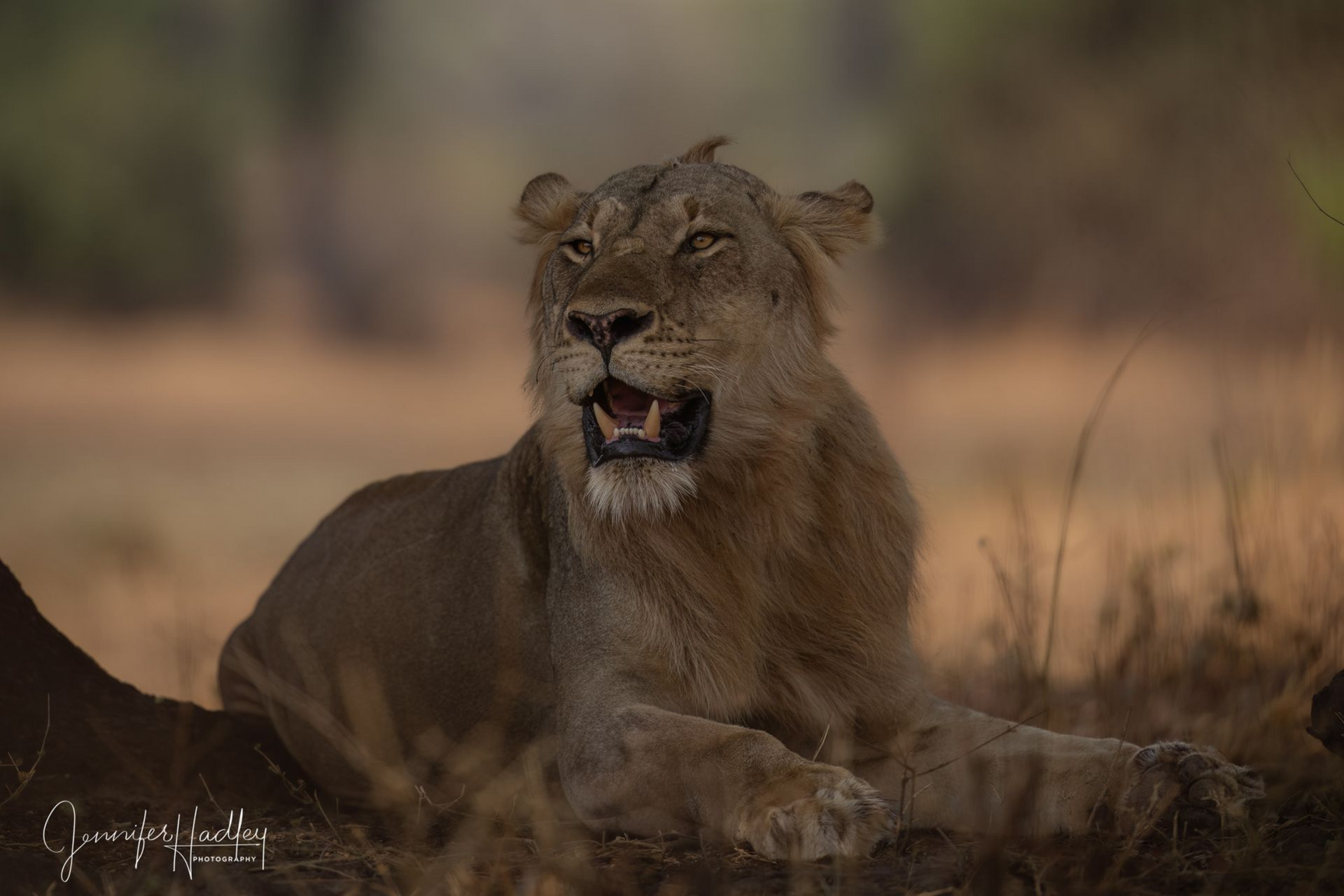
Have you had one of those days when you see and learn so much that the one day seems like it's been a week? Today was one of those days. We started early this morning with an amazing walking safari and by dinner time, that walk felt like it was so long ago. None of us could believe it was all on the same day. We started out at our usual time of 5:30 am and drove a short distance before parking the vehicle in a shady spot and proceeded on foot. Although walking safaris are optional, I always highly recommend them and South Luangwa is especially known for them. They were first pioneered here by conservationist and former game ranger Norman Carr is the 1950s, He established the first commercial walking safari in the early 1960s believing that tourists could support wildlife conservation and benefit local communities through photographing animals rather than hunting them. A walking safari gives individuals an opportunity to see and learn about things in the bush that would almost inevitably be ignored by driving from sighting to sighting looking for the big animals like lions, leopards or elephants. We learned so much information about the different tracks left by various animals and what activities might have been happening when the tracks were left. We learned about the "small five" including the antlion, a tiny predatory insect that digs funnel shaped holes in the sandy ground and waits at the bottom and attacks prey, mostly ants that slide down into the slippery hole. It then drains the ant of it's fluids. We got to see a lot of these small holes and some of the remains of the unfortunate ants that fell prey to the antlion. We also got to learn about various dung beetles common in the area and how and why they roll dung and we got to see some of the remnants of the dung chambers that held the bettle grubs after they hatched, that were dug out and raided by honey badgers. We learned about different trees and plants and which ones could be used to extract moisture from to drink in case you got lost in the bush for instance. We learned about what areas fill with water after the rains and how it affects the animals movement. The entire thing was absolutely fascinating and our guide Sly, is incredibly knowledgable and shares the information with such enthusiasm. And even though the walking safaris are not meant to necessarily get close to animals we did come across numerous ones including impala, water buck, and a big herd of cape buffalo. After a few hours, it was getting warm and it was time to head back to our vehicle and finish our morning with a game drive. It was quite a bit later in the morning by this point so we figured there would not be a lot of animals out. We were very wrong. We came across a large herd of wildebeests on the move and an even bigger herd of cape buffalo. But that wasn't all. As we drove on, we saw several vultures circling. We watched to see if they would drop down, a sure sign of something dead in the area. Sure enough, one by one, they dropped down onto the ground below, behind thick trees and bushes. We drove over to investigate and found some remnants of an impala, likely killed that morning by wild dogs. As we continued to look for what else might be driving the vulture activity, our guide spotted a sub-adult male lion in the distance. We drove over and spent a few minutes photographing him. Because of where he was positioned, the background light and environment were quite lovely even at this hour. This guy was part of the MK pride that at the moment has 8 members, some of whom we'd spotted the previous days. As our guide looked through his binoculars for any signs of other pride members, he spotted his brother a little ways ahead. We decided to go check on him as well and as we drove slowly towards him, we see a leopard laying next to a tree not 50 yards away from that lion! This happed to be the same male leopard that we saw mating on several occasions with a female in the last few days. This was so strange that the leopard would choose to be so close to the lions as they are mortal enemies and lions won't hesitate to kill a leopard. The leopard clearly knew the lions were there but the lions were none the wiser. We watched them for a while but since it was pretty hot and later in the morning, they were all a bit sleepy and not active, although the second lion did walk around our vehicle a bit. I had the front door of the vehicle removed for our safari so that was especially exciting to have the lion so close and with no door to separate us. We left the cats to their rest and then there was a surprise for my guests in store. On this day, the staff arranged to have a bush brunch in an absolutely stunning part of the forest. They all seemed a bit confused for a moment as we drove up. We were treated to mango mimosas and a delicious spread of food including the most delicious apple cobbler I think I've ever had. After our mid-day break, it was off again. We wanted to see if the lions and leopard were still in the same area so we headed that way to check on things. The leopard was there and the lions had moved slightly but were now together which was even better. They remained lazy for most of the afternoon into evening although one of them got up and walked over to his sleeping brother and after some face rubs and greetings, they both stretched out on their backs and were quite comical in their positions and the way each held onto the tree with a paw. We left them as darkness was starting to set in but to our surprise the leopard decided to move and walked over just a bit to a really nice spot on a small island like area in the middle of the dry river bed and then proceeded to walk along a fallen tree and groom himself. Although it was quite dark, with a bit of light from the torch, I think we were all still able to snap a few nice photos. As we started heading back to the lodge, now in full darkness we noticed that the lions had left as well. We stopped and scanned with the torch to see if we could spot them and they were walking away from the leopard into the night. We sat there for a few moments and watched them in complete silence. We were the only vehicle there and the stars had started shimmering above. As we drove away, I could not help but feel grateful for the fact that here we were in this vast expanse of wilderness, with just our guide and my guests with the stars twinkling above and a sliver of moon shining bright and watching as these two magnificent animals walked past in the distance. In those moments, there was nothing else. No news, no e-mails, no calls, nothing. It was just serenity and peace and for the briefest of time, nothing else mattered. As if we hadn't already seen and done enough that day, on our drive back with the torch scanning the ground and trees for nocturnal animals, we came across a bush baby, a genet, a civet and to everyone's delight, a porcupine! I had only seen a porcupine once in Botswana but it was mostly obscured to shrubbery so to see one completely in the open and pretty close was really special. What a day it's been. I can't wait to see what tomorrow has in store. That's what is so great about being out here in the wild, you never know what will be around the corner and even a non-eventful day out here is a day well spent being in nature and slowing down if only for a short while. Until tomorrow, have a great night everyone!
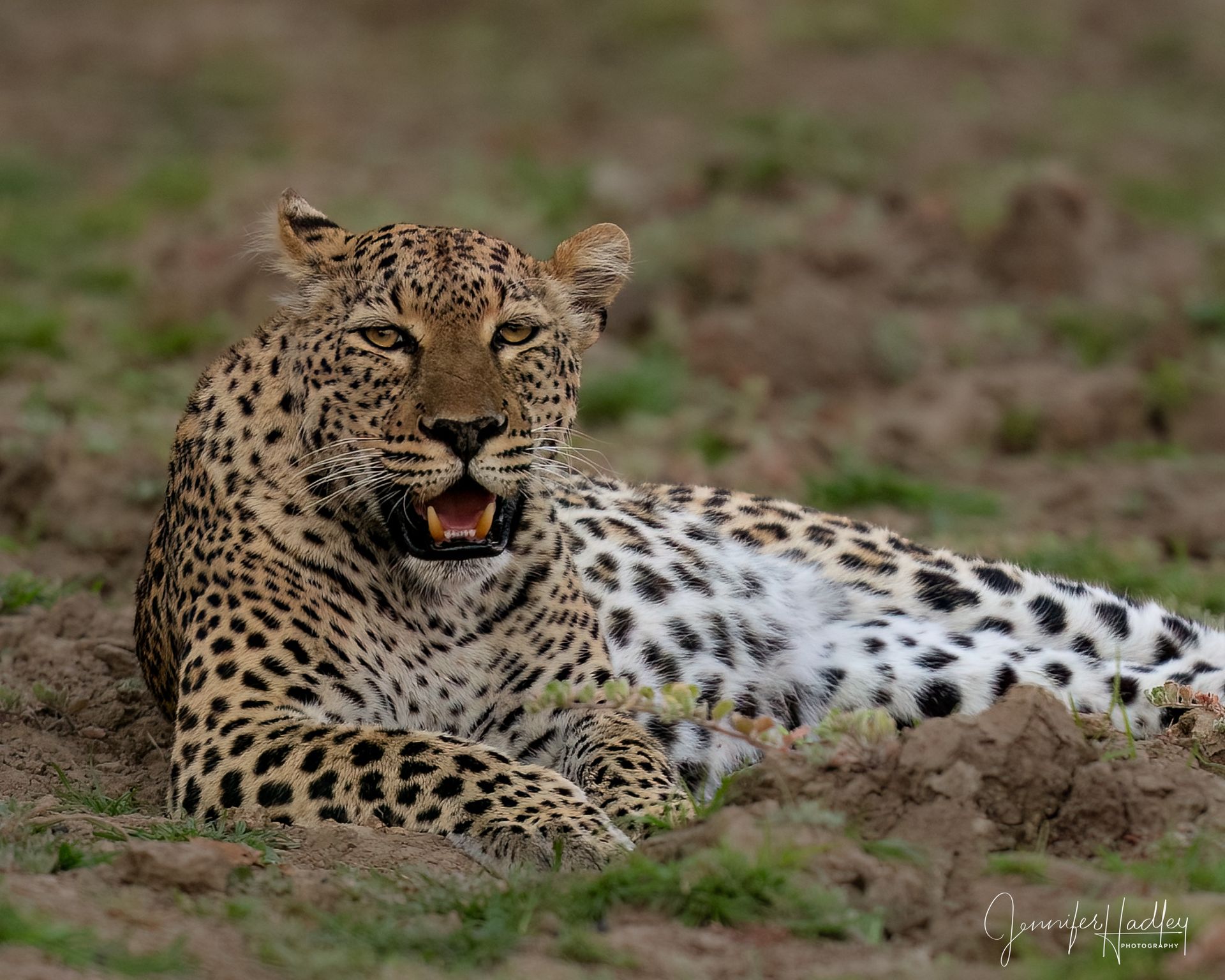
One of the big draws in South Luangwa in the fall months is the gathering of the Carmine Bee-Eaters. It's one of the best places to watch and photograph these amazingly beautiful birds. They are a brilliant crimson pink with turquoise blue faces. The reason this area is such a great place for them to gather is because the sandy banks of the Luangwa River provide the perfect breeding and nest building location. They excavate tunnels in the steep sandy banks of the river to lay their eggs and raise their young. The colonies of birds contains many burrows and birds fly in and out constantly bringing food for their partners. These little birds are quite acrobatic and fast in their flight, which makes photographing them in flight an interesting challenge. In order to get close to the cliff where the burrows are located, we got on a little metal boat that was manually shuttled across the crocodile and hippo infested river to another boat that has been made into a hide. From there, you have a great vantage point to observe and photograph. I'm happy to say I walked away with a few photos that I'm happy with. We also tracked the leopardess that we spent time with yesterday to a tree in which she was very busy napping. Her name is Chipadzuba which means beautiful in Kunda. She is approximately 13 years old and stunning! We suspect she is pregnant right now so she has not been overly active. Fun fact: She was filmed for the BBC documentary Planet Earth III because of her skill of attacking impala from above while hiding in trees. She gave us a few good looks today but this afternoon, we were hoping she would climb down the tree in just the right place and positioned there to wait. Unfortunately, she never did come down until after dark. That's wildlife photography though. It's a lot of anticipation, waiting and watching. Mid-morning as the temperature climbed we stopped for tea and biscuits in a beautiful shady part of the forest and were treated to a herd of elephants coming to join us. One of my guests on this trip is quite new to photography and editing in Lightroom so during our mid-day break we decided to sit down and work on her Lightroom set up and walk through how to properly import, organize and back up her catalog and photos. It took us nearly 3 hours because of some technical difficulties but now she is set up correctly and everything from this trip is imported and properly sorted and backed up. I wish someone had taught me all of this when I first started when I went on a couple of photography workshops. I struggled for so long until I finally pieced enough information together to figure it out. In the meantime, I had lost so many hours and files and made a huge mess of things. Today reminded me why I love running these photography workshops. Of course we are here to watch and photograph the animals and hopefully walk away with some beautiful images but helping my guests grow and learn these skills and walk away empowered brings me so much joy. It's the reason I am here and if I can save my guests from going through the painful process I went through years ago and watch their skills and images and talent improve is everything! Tomorrow we are going on a walking safari early in the morning before it gets too hot. Although these are not usually very sighting heavy, they do provide a wonderful opportunity to learn about the flora and fauna and my favorite......tracking and identifying prints. I'm really excited for my group to learn from our amazing guide all the signs that nature provides to help guide us in the field. Until tomorrow, have a great evening everyone!
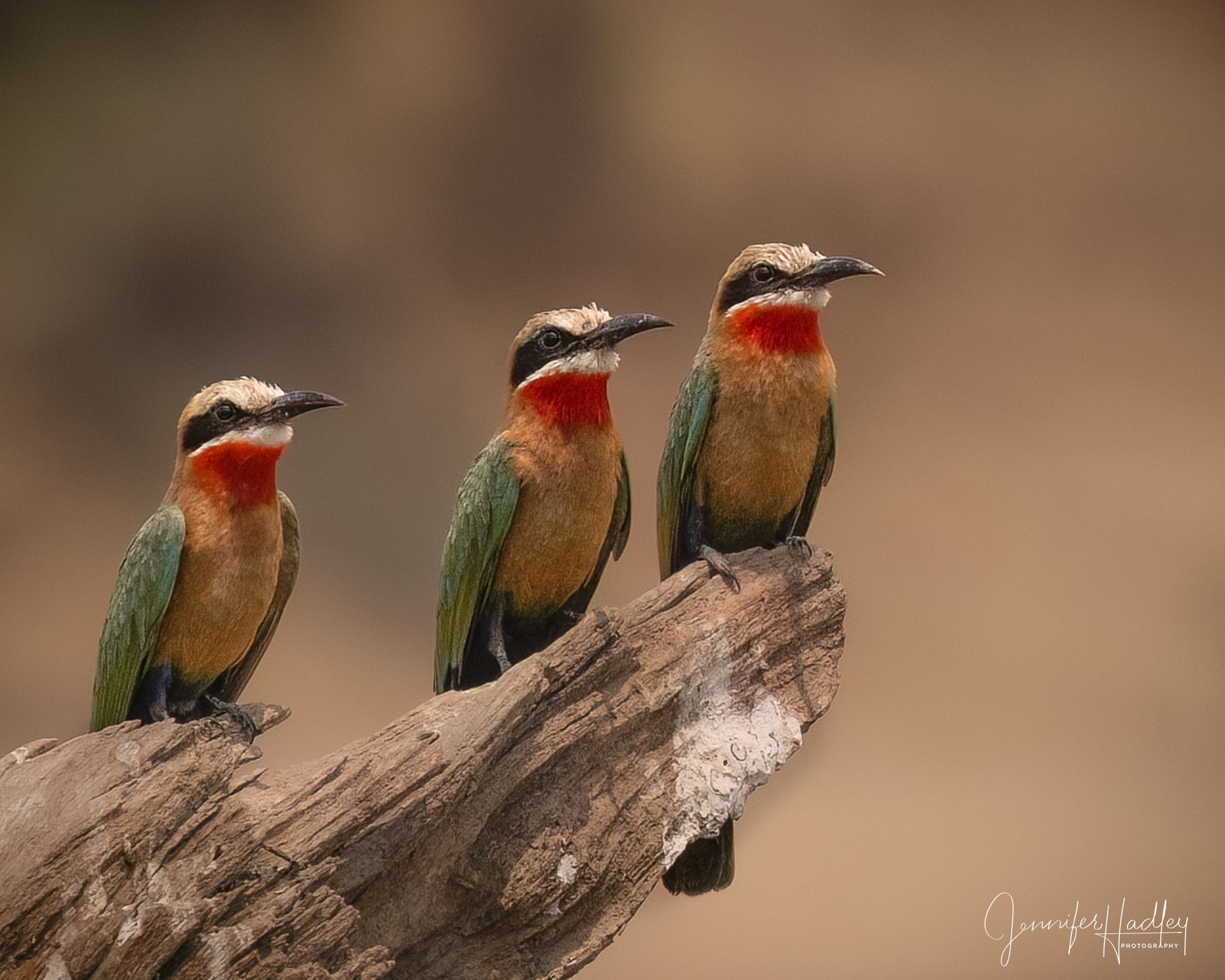
Wow! Day 3 was a bit of a doozy! I have a ton of photos to still go through even though I feel like I've been at it for a while. The truth is I'm pretty exhausted because I got maybe and hour of sleep last night......maybe. Due to a logistical issue, the usual trip leader /guide room was not available for the first night (last night) so I was put into a room that can best be described as a bit scary. I don't need the usual comforts per say, but this room was quite old and had not been used in quite some time and had many holes in the netting and basically anything the size of a tarantula or smaller could get in. The staff did their very best to have it nice and clean for me but there was nothing they could do to fix the many gaping holes. So......I had many many visitors of the arachnid kind. Those of you who know me, know that I am absolutely terrified of spiders. Yes, yes....I'm told they are all harmless but I don't care how harmless they are to normal people, they terrify me to my very core. I asked for an extra can of Doom Insecticide spray and I tried to spray around the edges just to encourage them to stay out but other than inhale lots of insecticide, I don't think it did much good. Every so often I'd spot yet another intruder and have to go spray vast amounts of Doom on them. I tried as best as I could to sit in the bed, mosquito netting tightly wrapped around and work on photos but at around 1:30 in the morning, I had to go to the bathroom. Armed with my 2 cans of Doom I carefully entered and while sitting on the toilet, I saw a medium sized spider in the corner by the sink and then a very big and very fast spider on the back of the door. Mind you, this bathroom is tiny. Panic set in as I quickly went through the options in my head. The one in the corner was the first to receive a large quantity of Doom. Then my attention shifted to the much larger spider on the door. The way the door hung, it stayed in the middle and basically cut off my escape route. Surely the bigger spider had already seen what was happening and was now ready for a full out battle with me and no, he was not more afraid of me than I was of him. He clearly had the upper hand. I took one deep breath and unloaded the Doom on him but he was so big and fast, he was able to escape to the other side of the door. Now, not only am I stuck in the bathroom but I don't know where he is. He might be on the other side of the door or he might have just went up onto the ceiling of the room. I had no idea. Now my heart and my head are both pounding and my Doom is running low. So the only option left was to lay down a cover of Doom like soldiers do while trying to advance in the field of battle and run through it. So with both cans in hand, I let the Doom rip on either side as I ran past the door and into the room. There might have been some screaming, I'm not sure. After safely crossing back into the room, a full visual inspection was conducted but of course the room is quite dark and the spider blends in well. I could not find him. By this point, it was well past 2 am and my alarm was set for 4:40 am. I got back into the relative safety of my mosquito net covered bed but sleep evaded me. Somewhere, a very angry large spider was no doubt watching and waiting. I sat and read the news for a while hoping that my exhaustion would finally allow me to fall asleep. Eventually it did. I'm not sure what time that was but it seemed like the alarm went off a few minutes later although I'm pretty sure it was longer than that. Happily, today everything was straightened out and I'm in the regular trip leader/guide room which is quite nice and much more insulated from everything that wants to kill me. I got new bottles of Doom just in case and feel at this point that I am single handedly supporting the profits of this company. But back to today. The morning started with a brilliant sunrise, like a ball of flame rising out of the horizon. After a quick stop to photograph it, we proceeded to try to find the leopard lovebirds from the evening before but they had moved somewhere else. We found a bachelor herd of buffalo which was super cool and although none of them were the old massive ones, a couple were quite cooperative and photogenic. Then we passed by another vehicle that reported that they had seen 2 female wild dogs running through the area just minutes ago and the chase was on. Wild dogs are super energetic and move fast and unpredictably. We drove around looking for them until a short while later, we finally found them in a dry river bed next to some remaining water. They clearly had killed and eaten something recently, probably an impala judging from their bloody faces and now they were quite fat, thirsty and tired. We watched them for quite some time and although the area they were in was not very nice photographically, they did eventually go up from the dry river bed into a nicer open area where we were able to grab some photos before they went to sleep. We also had an opportunity to get out of the vehicle and photograph hippos in the water and eye level. There are so many hippos here. It's a hippo paradise. Later we found a lone leopardess who is 13 and pregnant and absolutely stunning. Our guide very skillfully drove us down to the area where she was so that we could be more eye level. While watching her, we got news that the mating pair of leopards that we saw the other day were spotted so off we went to locate them and we did during beautiful golden hour. I have scanned through those photos and I'm ecstatic with what I and my guests were able to capture. As was the case from the previous night, they were quite busy with their mating ritual and gave us many great looks. We also got to watch quite a large herd of elephants making their way across the river and two young hippos playing and chasing each other around which was just the sweetest thing to watch. Driving back tonight brought more fun sightings of elephant shrews, genets, and the very elusive white tailed mongoose which I was personally very excited about. We even made time today for some birding, catching 3 White Fronted Bee Eaters hanging out all together. Tomorrow, we are wheels up at 5:15 am to go to the Carmine Bee Eater hide. This is a highlight in this area during the fall months as thousands of these beautiful birds fill the cliffside. It's quite the spectacle and I'm really excited for us to watch this. I will have more photos in future versions of my field journal and now it's off to try to catch a couple hours of shut eye. Thank you for following along and I hope everyone has a fantastic rest of their weekend.
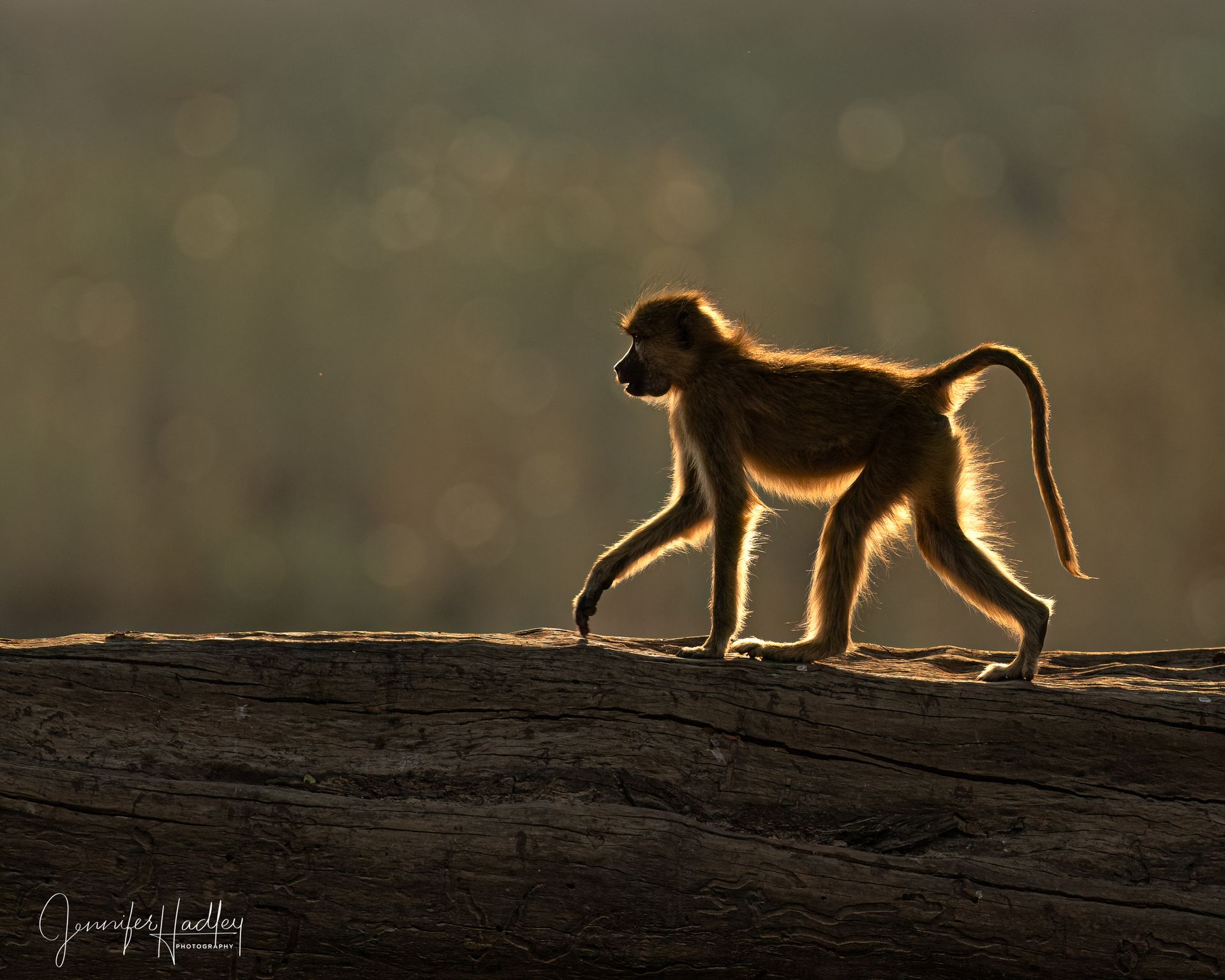
It's Day 2 of our Zambia adventure and after a leisurely breakfast and some final packing, we were ready to go! As nice as it was to get a little break at our Lusaka hotel and catch up on some sleep, everyone was raring to get going. We took a quick ride back to Lusaka airport and boarded our plane for a short flight to Mfuwe airport. Getting all of our camera gear loaded into the aircraft was a bit of a challenge but after some good old teamwork, we were able to shove our overloaded pelican cases and backpacks full of gear under the seats and into the very tiny overhead bins. We were met at the airstrip by our awesome guide from Shenton Lodges who goes by the name Sly, which I love because one of my all time favorite movies is Rocky IV. The first half hour drive took us through country villages where children waved excitedly to us. Women walked with baskets balanced on their heads which always amazes me and gives me a bit of a headache just thinking about how one can carry that much weight on their head. Men rode bicycles with huge thick sticks for firewood and shopkeepers sat on their front stoops waiting for customers. And then, what we'd all been waiting for......the entrance to South Luangwa National Park appeared. This park is huge at 9,050 square kilometers with varied landscape and topography and of course the winding and extensive Luangwa River and as it happens our first lodge is on the banks of the river. As I sit here writing this in the wee hours of the night, I can hear hippos around and perhaps even in camp grazing in the coolness of the night. We meandered through the park to camp for the next 2 hours or so stopping under a nice shade tree for lunch and a little leg stretch. We had to keep a watchful eye on the vervet monkeys in the tree who acted like they didn't even know we were there but of course were just waiting for a perfect opportunity to steal our food. This time we outsmarted them and didn't give them the chance to swoop in and grab anything but from past experience, these guys are masters at stealing food from right under your nose. After filling our bellies and having some cool drinks, it was onwards to camp. It was the height of the afternoon and quite hot and the light was bad but still we saw impala, elephants, giraffe, monkeys, and warthogs (this family had such tiny babies with them, we thought they might only be a couple days old at most). Finally we arrived in camp and met the staff and were shown our rooms, which are beautiful and private with an outdoor bathtub and a private deck right above the river for each room. After quickly settling in, it was time to head to tea and on our first safari drive. I try to keep my expectations low since it's our first one and there are many more to come but nature had a little surprise in store for us. We stopped to look at some huge alligators and beautiful male kudu with their large spiral horns, and then we hit the proverbial safari jackpot......a pair of mating leopards! Now the funny thing was, when we pulled up at first, there were 3 adult ground hornbills walking right in front of our vehicle. These are huge ground birds although they roost in trees, which are black with striking red throats and eye areas. They are quite endangered and are always a treat to see. I got so exited and yet as I looked at all my guests no one seemed to be bothered. What I had not seen was the two leopards straight ahead which of course took priority. We positsioned our vehicle to try to have the best angle. These two must have started mating only a couple of days ago and their mating ritual will go on for about 7 days, give or take so being at the beginning of the process, they mated a lot! Much to the delight of my guests, we got to spend quite a bit of time with them as they moved around the area. They got so close to our vehicle at times, that I just had to break out my cell phone. What a way to start our safari! As darkness fell and it was time to head back to the lodge, our spotter shined the light into the trees and brush to see if we could find any nocturnal animals and we did! We saw 2 Genets which I was absolutely thrilled about. Although it was full darkness with a torch light, I was happy to get an evidence shot (see below) Arriving back to the lodge, we were treated to a delicious 3 course meal and it was off to our rooms to download photos, charge batteries and dream of what lies ahead tomorrow. Every day is a new day and around every turn can be an amazing surprise which makes safari so exciting. We will see what nature has in store for us tomorrow so stay tuned! Have a great night everyone and thank you for following along on our safari adventure.

It's finally here! Today is Day 1 of our Zambia adventure. As I most always do, I flew in a couple days early to get to our first group hotel and make sure everything was as it should be. I checked in with our private transport company to ensure they had the exact times for when my guests would be arriving and their flight numbers. I made sure all the guest rooms were the right configurations. I checked and re-checked our reservation for our group dinner and the same for the transportation that will take us back to the airport for our short flight to our first bush camp tomorrow. Am I obsessive? Well perhaps a little but I want to make sure everything is perfect for my guests and no stone is left unturned. The last couple of weeks have been stressful for a variety of reasons with which I won't bore you but after all the t's were crossed and i's were dotted, I signed myself up for a nice massage to take the edge off and be ready to be my best self. It was fabulously relaxing and just what I needed. Some of my guests also came in early and took in some golf and a visit to the National museum in town. It's always great to unwind and rest up before a big safari trip like the one we're about to embark on. I figured I'd mostly be working on my computer in the room before our official kickoff with the welcome dinner but alas, a few birds had different ideas. Along the walkway between the rooms and the main lounge area are trees filled with nests of the Lesser Masked Weavers. The males are a beautiful yellow and black and the females are mostly a duller yellow. The males busy themselves all day long building what they think will be the absolute perfect nest for their mate. The fly in and out bringing material and shaping the nest into an inviting space for their mates. Once they are done they hang upside down and jiggle their entire body in anticipation of their mate coming along and approving the job they have done. I watched over and over as some of their mates would come along and not approve of the nest after which the disappointed male had to start making alterations. It's amazing how much time can pass just standing and watching these very busy birds fly back and forth, build, and sometimes quarrel with their neighbors. I think I must have stood there for a total of 3 hours at various intervals. As evening approached it was time to officially kick off our trip! We met at the nicest restaurant in the hotel as a group and as introductions were made and wine was poured the group got to know each other as well as our hopes and aspirations for this trip. For some it was to really get better with their cameras and for others it was very specific shots that they hoped to get. We even threw in some really far fetched things that are not very likely but hey, sometimes the universe delivers when you least expect it. As it always seems to happen, I can already tell that this is yet another fabulous group of people that is going to get along swimmingly and I'm so excited to share our upcoming adventure with them. Tomorrow morning we take a short ride back to Lusaka Airport and get on our short flight to our first camp. We should start seeing animals almost right away so even the drive to camp will be like a mini safari drive so cameras ready! Until next time, have a great night everyone! And tomorrow we are off on safari! Yippeee!
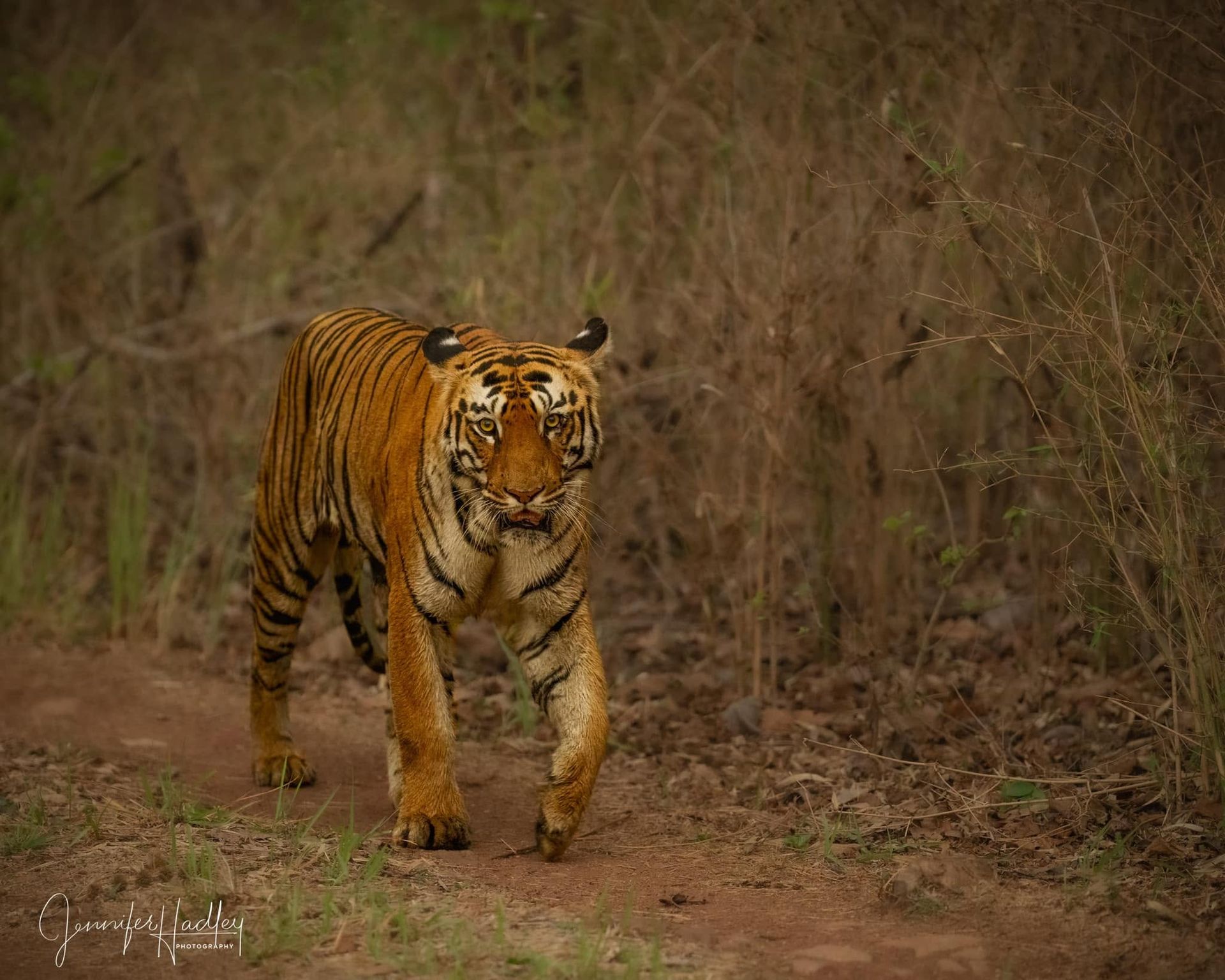
See what to expect on Tiger Trails in India, from two photographers per jeep and field mentorship to editing support and small-group travel.
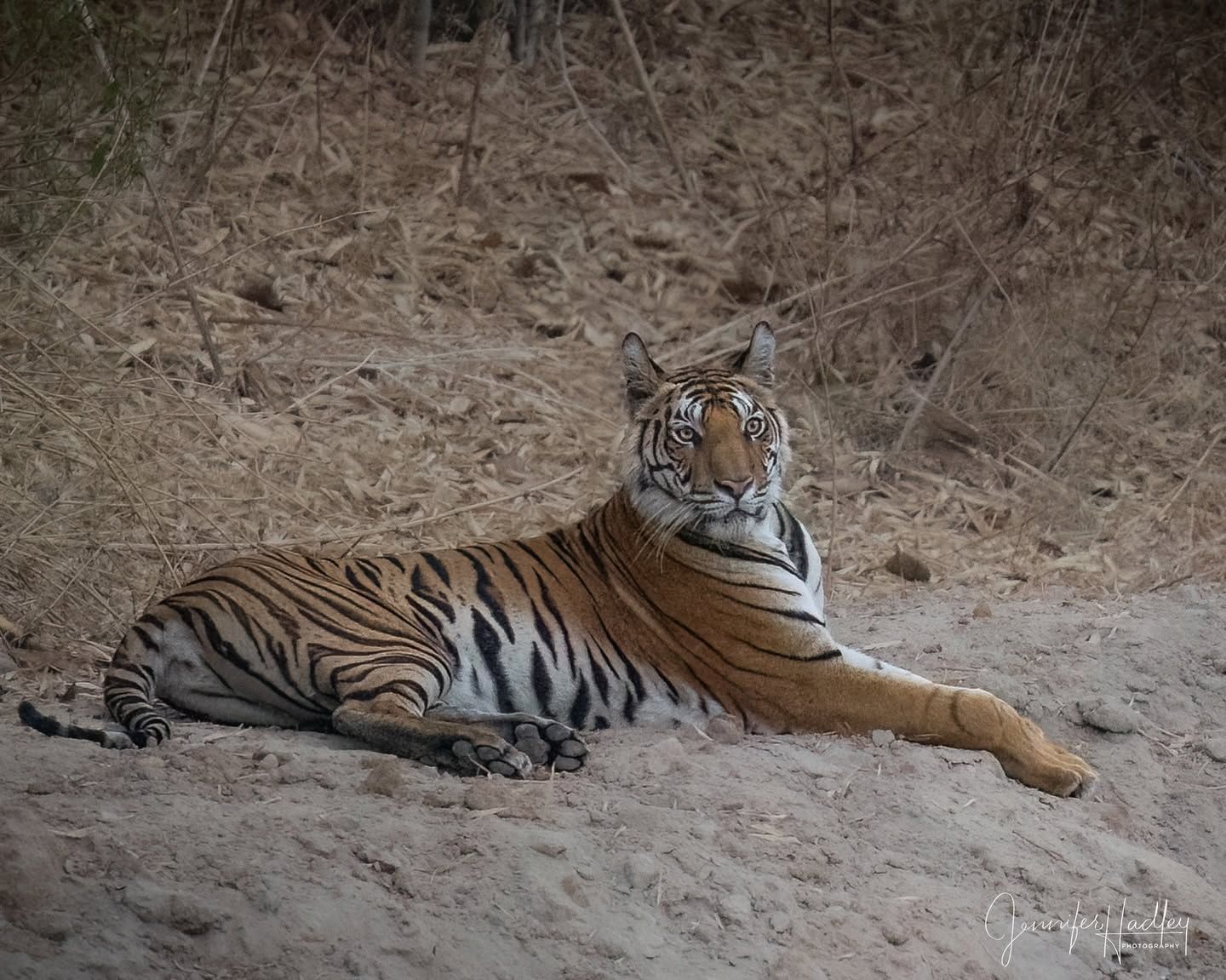
Step inside a day on Tiger Trails, from pre-dawn safari drives and tiger tracking to photography guidance, lodge downtime and evenings shared in Central India.