Key Takeaways
- Tiger Trails is a small-group India wildlife photography safari designed for photographers at different experience levels.
- Only two photographers share each safari jeep, giving both more room for equipment, clearer shooting positions and freedom to respond when wildlife moves.
- I personally provide photography guidance in the field and editing support between safari drives.
- Experienced local naturalists bring detailed knowledge of the parks, wildlife and animal behavior.
- Non-photographer companions can also enjoy the wildlife experience without needing to participate in the photography mentoring.
How a Small-Group Wildlife Photography Tour Works in Practice
A photography safari is different from simply joining a wildlife tour with a camera.
On Tiger Trails, photography influences how the safari is structured. We spend our time in the field watching wildlife, reading behavior and staying ready for opportunities that may develop quickly. Tigers and other animals do not wait while you work through camera settings, so preparation and the ability to adapt are important.
My role is to be there with you while those decisions are happening. Depending on what you need, that may mean helping with shutter speed, exposure, composition, changing light or thinking ahead about what an animal might do next. The local naturalists have a different but equally important role. They understand the parks, wildlife, tracks, calls and animal behavior. While they concentrate on what is happening in the landscape, I can concentrate on helping you translate that opportunity into a photograph.
That combination is central to the way I run Tiger Trails. A previous guests described it this way after traveling with me in India:
“Her approach is an ethical one with a view to conservation while explaining both animal behavior and photography techniques to maximize wildlife encounters simultaneously.”
The wildlife always determines what happens next. We work around the animals rather than expecting them to work around us.
Photography Guidance for Beginners and Experienced Photographers
You do not need to arrive at Tiger Photo Safaris with a particular level of photographic experience.
Some photographers are still learning to make quick changes to their settings in the field. Others already know their equipment extremely well and want to concentrate more on composition, timing, behavior or building stronger wildlife images. I adjust my guidance to the photographer in front of me.
For someone newer to wildlife photography, that might mean getting comfortable with shutter speed, exposure and preparing the camera before an animal begins moving. For a more experienced photographer, we may talk about backgrounds, positioning, anticipating behavior or finding a more considered composition.
The mentoring also continues between safari drives. We can look through your photographs together, work on editing and use what happened in the field to identify anything you want to approach differently the next time we go out.
A previous guests described Tiger Trails as: “Not just a photo trip , she made it a workshop teaching and tutoring as we traveled.”
That is an important part of the experience for me. The learning happens around real wildlife situations rather than being separated from them.
Why Group Size and Personal Attention Matter in the Field
The term “small-group photography tour” can mean very different things, so one of the first details I would compare is how many photographers actually share the safari vehicle.
On Tiger Trails, there are only two photographers per safari jeep. That gives both photographers more room for long lenses, camera bags and other equipment, but the real benefit appears when wildlife moves. A tiger may change direction, move behind vegetation or suddenly create a better shooting opportunity from another position. Having space to respond makes a practical difference.
It also gives me more opportunity to work directly with each photographer rather than trying to provide meaningful guidance across a crowded vehicle.
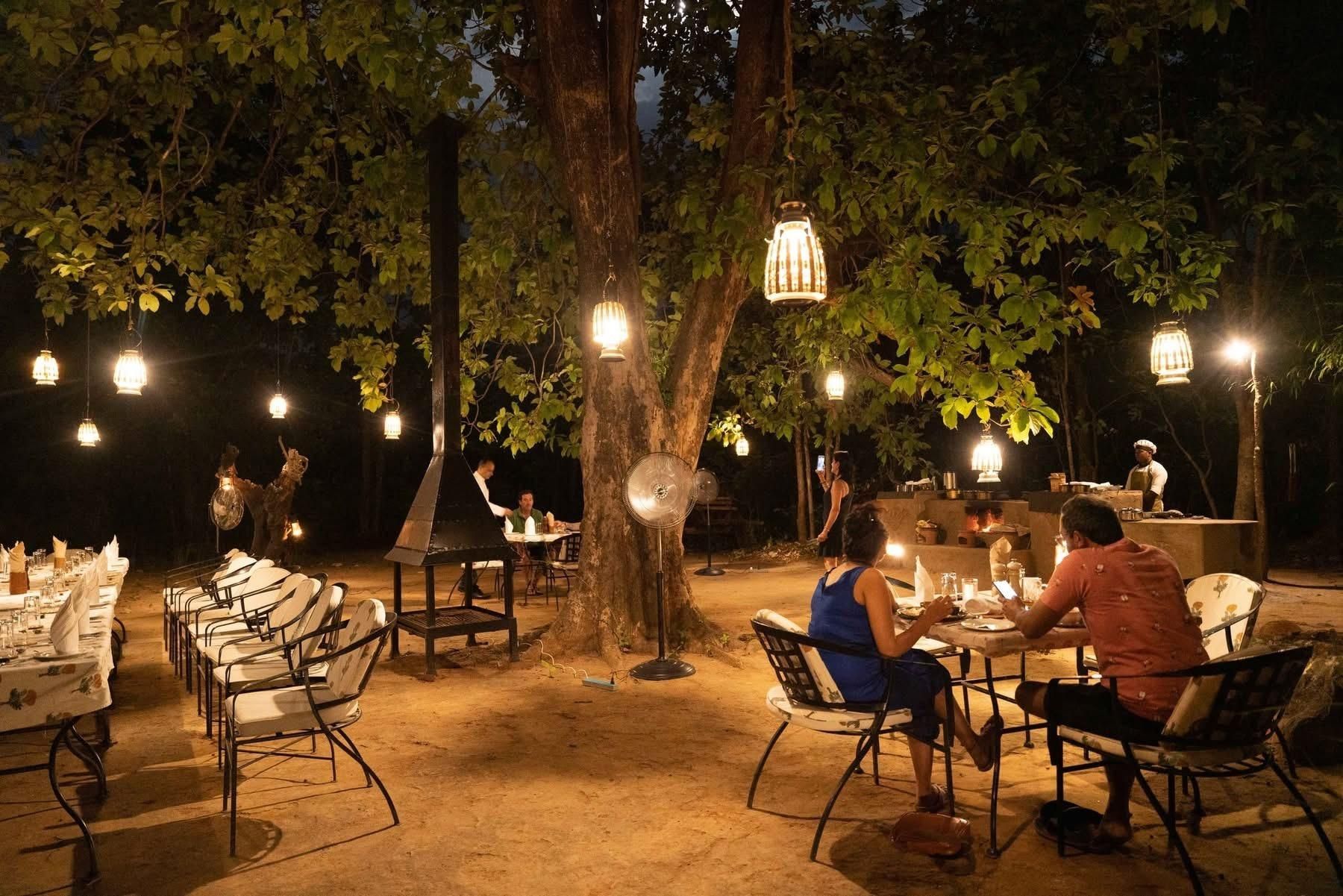
The smaller format matters away from the camera too. Wildlife travel involves long periods together: safari drives, meals, transfers and time between field sessions. People get to know one another, share photographs and help each other along the way.
“When you're joining a group of 7 strangers for two weeks, there's always a little trepidation about how you'll fit in. But from the very first group dinner, I could tell this was going to be a great group and as the days went on, the camaraderie grew and everyone started to feel like family.” For me, that sense of connection is one of the benefits of keeping the experience small.
What You Can Expect From a Tiger Photography Safaris
In practical terms, my Tiger Trails is a small-group wildlife photography safari where the travel, wildlife experience and photography support are designed to work together.
You can expect experienced local naturalists in the parks, two photographers per safari jeep and direct photography mentoring from me while we are in the field. Between drives, there is time to review photographs and work on editing together.
The journeys are designed around tiger country in Central India. Depending on the current Tiger Trails itinerary, that may mean experiencing Kanha and Bandhavgarh or spending more concentrated time in Bandhavgarh. If you are comparing those environments, I have written separately about where to photograph tigers in India: Kanha and Bandhavgarh.
There is also a shorter Bandhavgarh-focused Tiger Trails journey for travelers who want the Tiger Trails approach in a more focused itinerary.
Whichever itinerary you consider, the important part is the structure behind it: time in the field, space to photograph, local wildlife expertise and photography guidance that is available when you actually need it.
What Previous Tiger Trails Travelers Reveal About the Experience
When I read reviews from previous Tiger Trails travelers, I notice that they rarely talk only about the photographs.
They mention the photography guidance, but they also talk about organization, feeling supported, accommodations, the people they traveled with and being able to relax once the journey was underway.
Jim U described arriving in India and realizing the practical side of the trip had been thought through: “Every detail was so meticulously thought out...the travel, accommodations, meals, safaris, etc.”
He also commented on the photography support: “She also offered her expertise on photography and editing to anyone wanting it.”
That combination matters because a wildlife photography trip is still a travel experience. You have come a long way to be there, and I want you to enjoy the journey as much as I want you to improve your photography. That applies to non-photographers too.
Kevin N traveled in India with his photographer wife and described his own experience through his “iPhone and binoculars.” His recommendation was:
“I would highly recommend these trips to any "non" photographer looking to travel with their spouse, friend, or just by themself to get out and experience some of the most breathtaking places in the world!”
You do not have to experience the trip in exactly the same way as the photographer sitting beside you to enjoy being in India’s tiger country.