Key Takeaways
- Wild Bengal tiger sightings can never be guaranteed or staged.
- Experienced local naturalists use tracks, alarm calls, animal behavior and their knowledge of the parks while searching.
- Multiple safari drives give you more time in the field, but no number of drives guarantees a tiger sighting.
- Tigers are only part of the experience; other wildlife and the landscape itself create important photographic opportunities.
- Tiger Trails combines experienced local naturalists with hands-on photography guidance and two photographers per safari jeep.
Why Wild Tiger Sightings Can Never Be Guaranteed
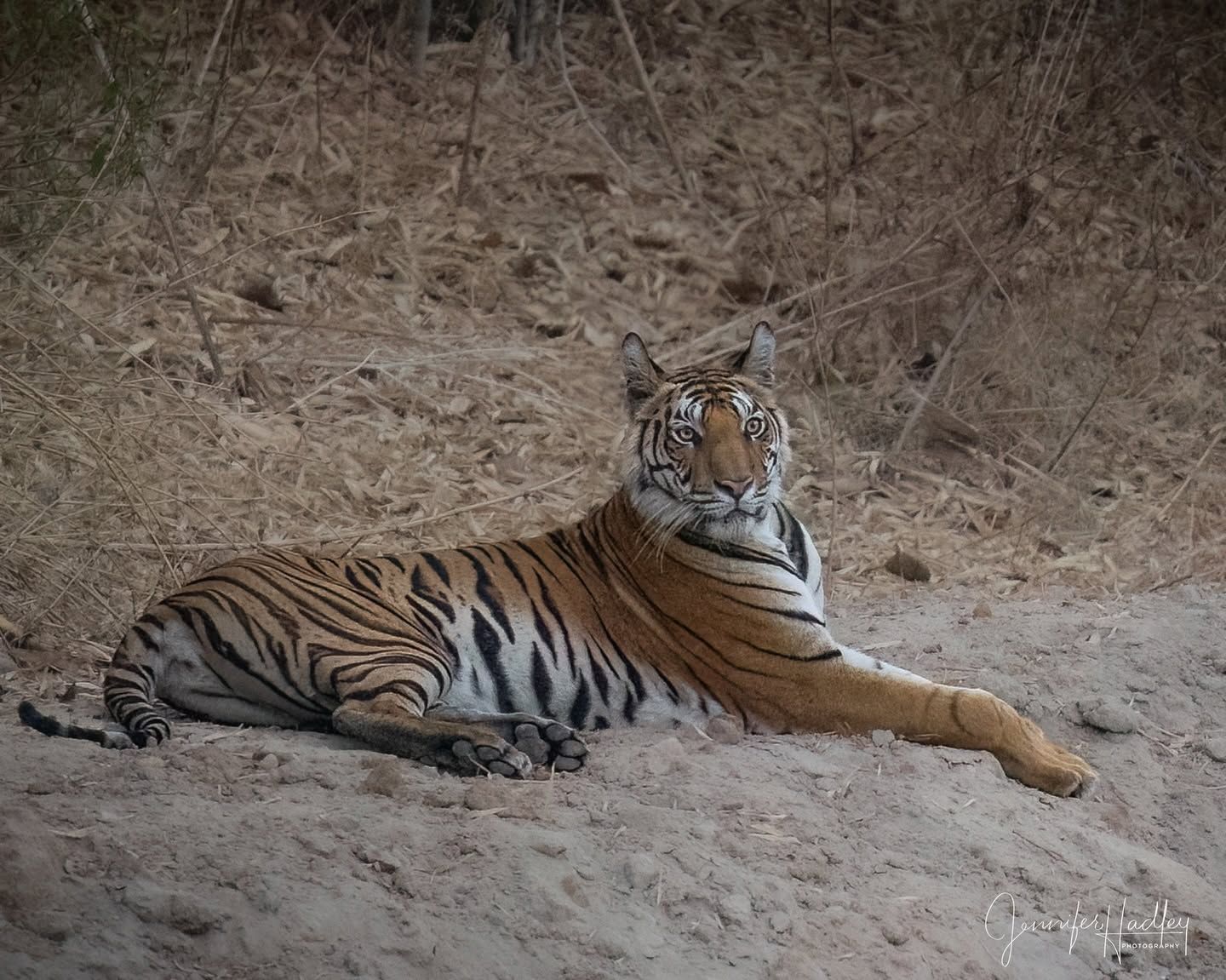
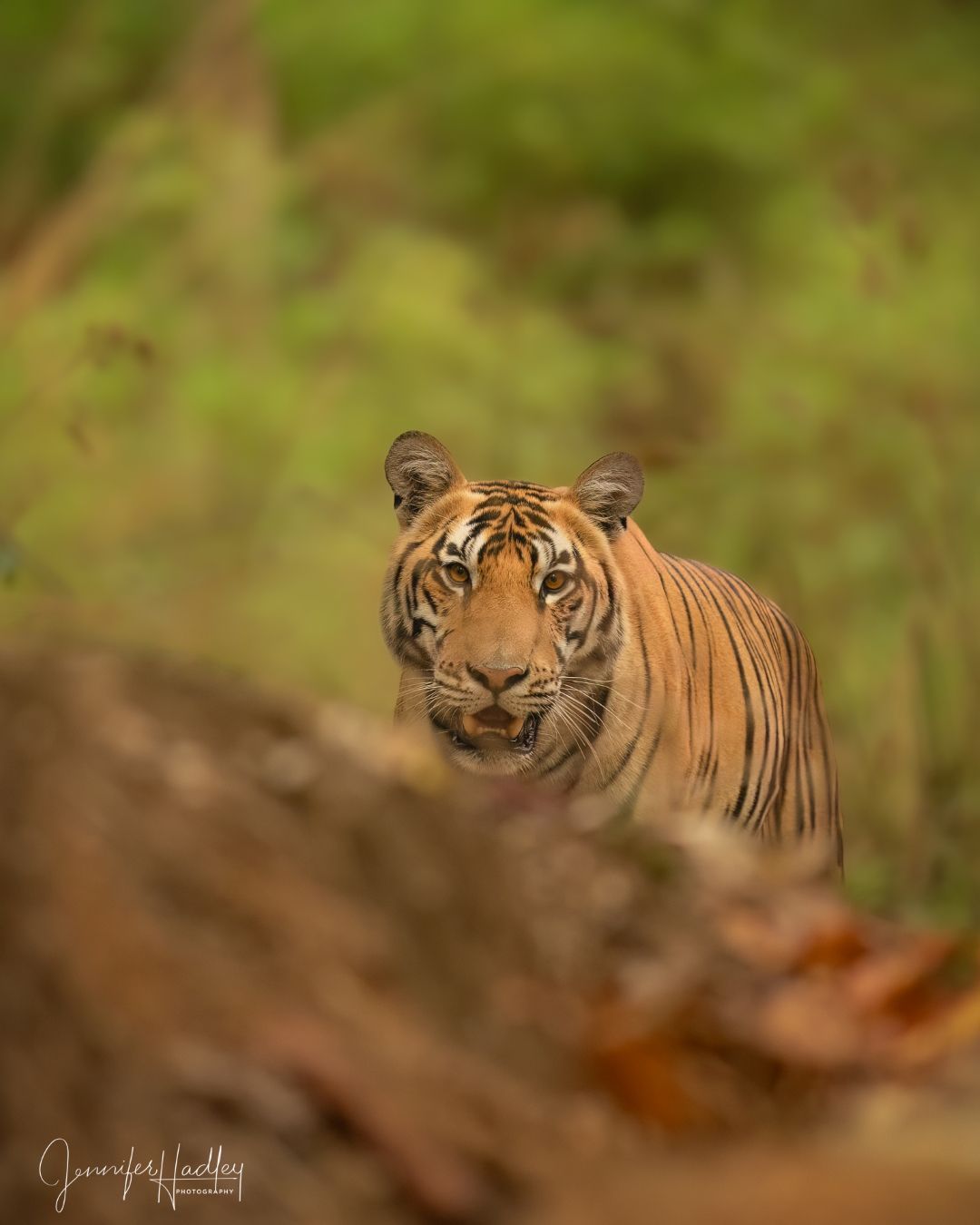
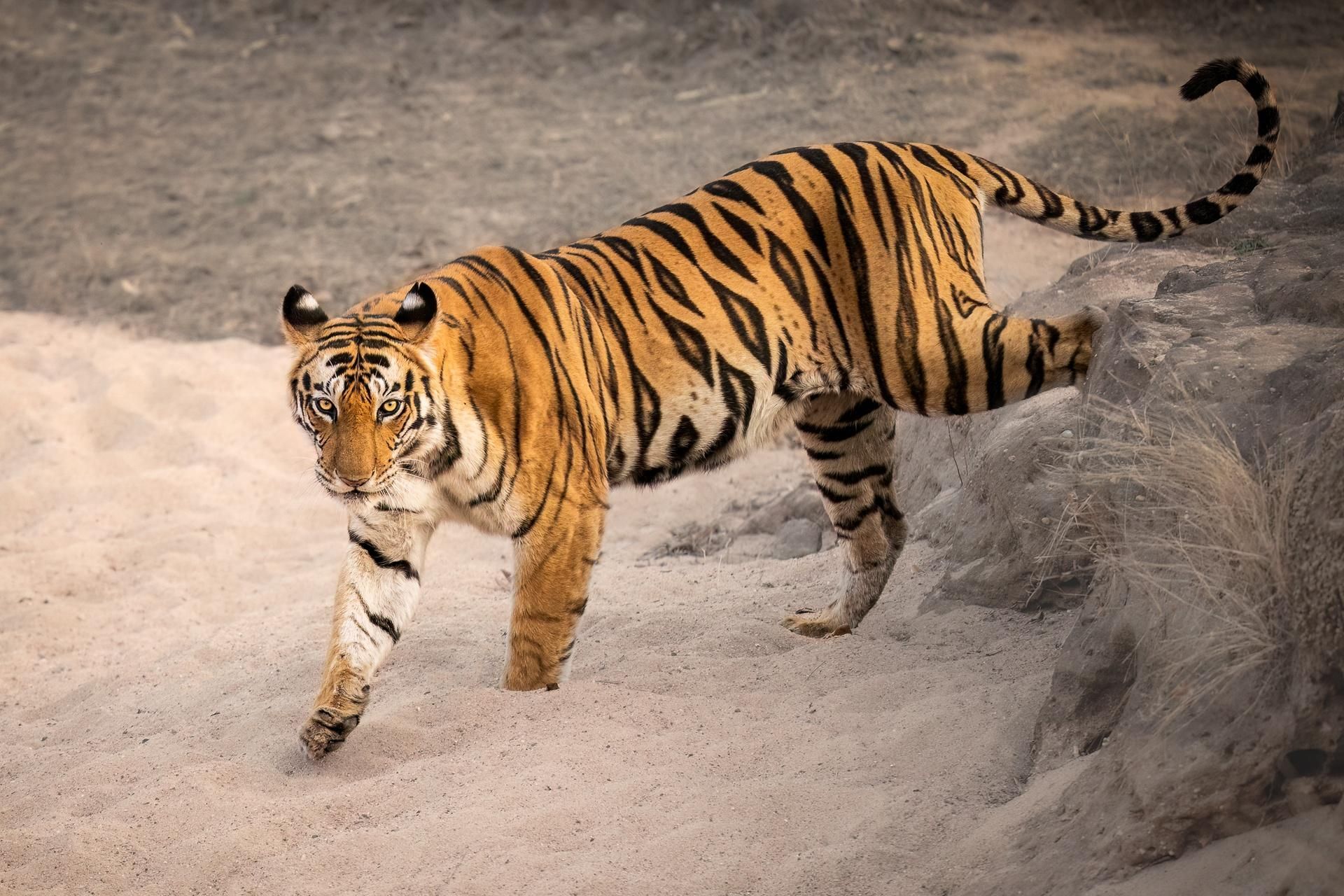
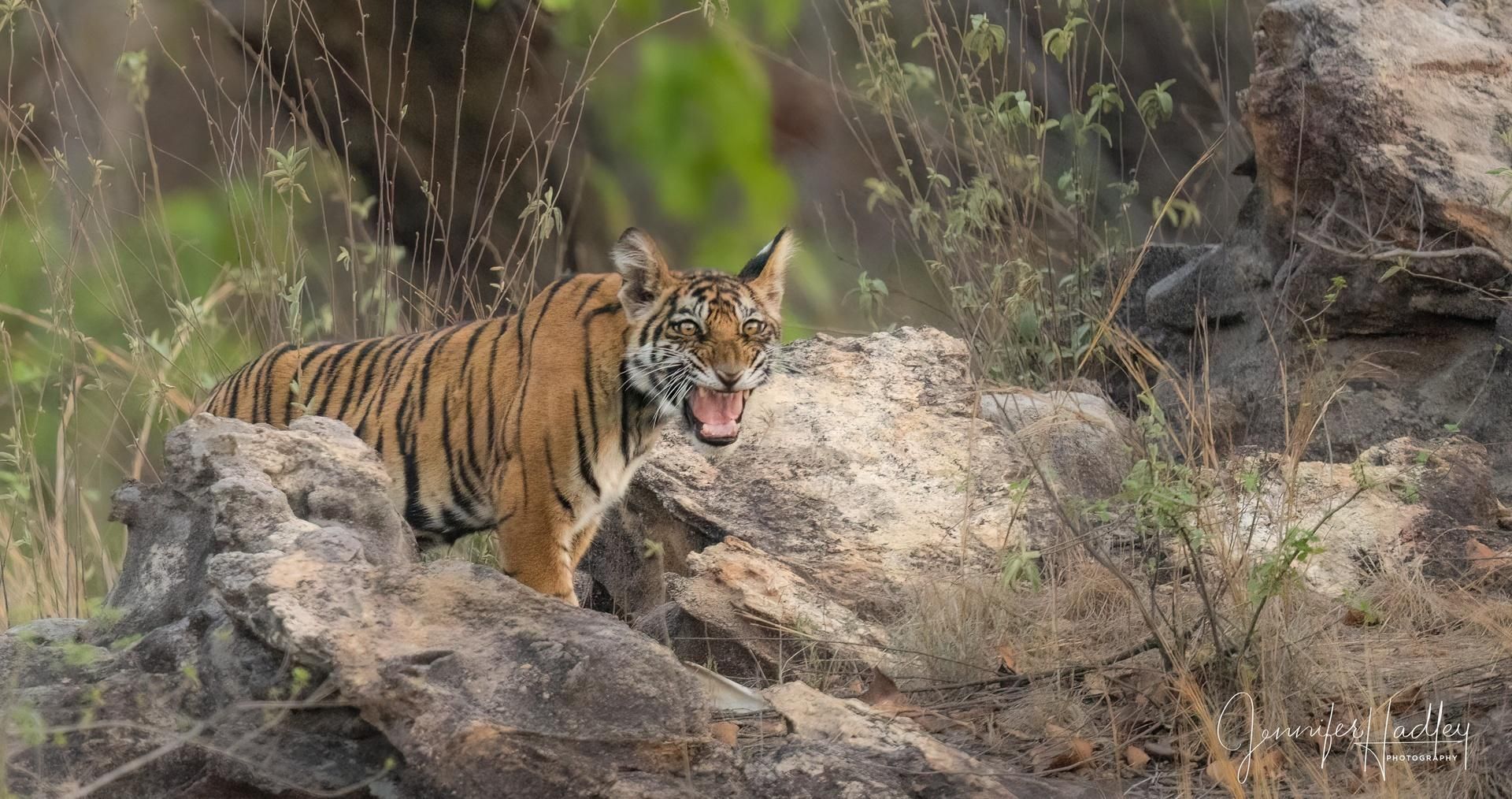
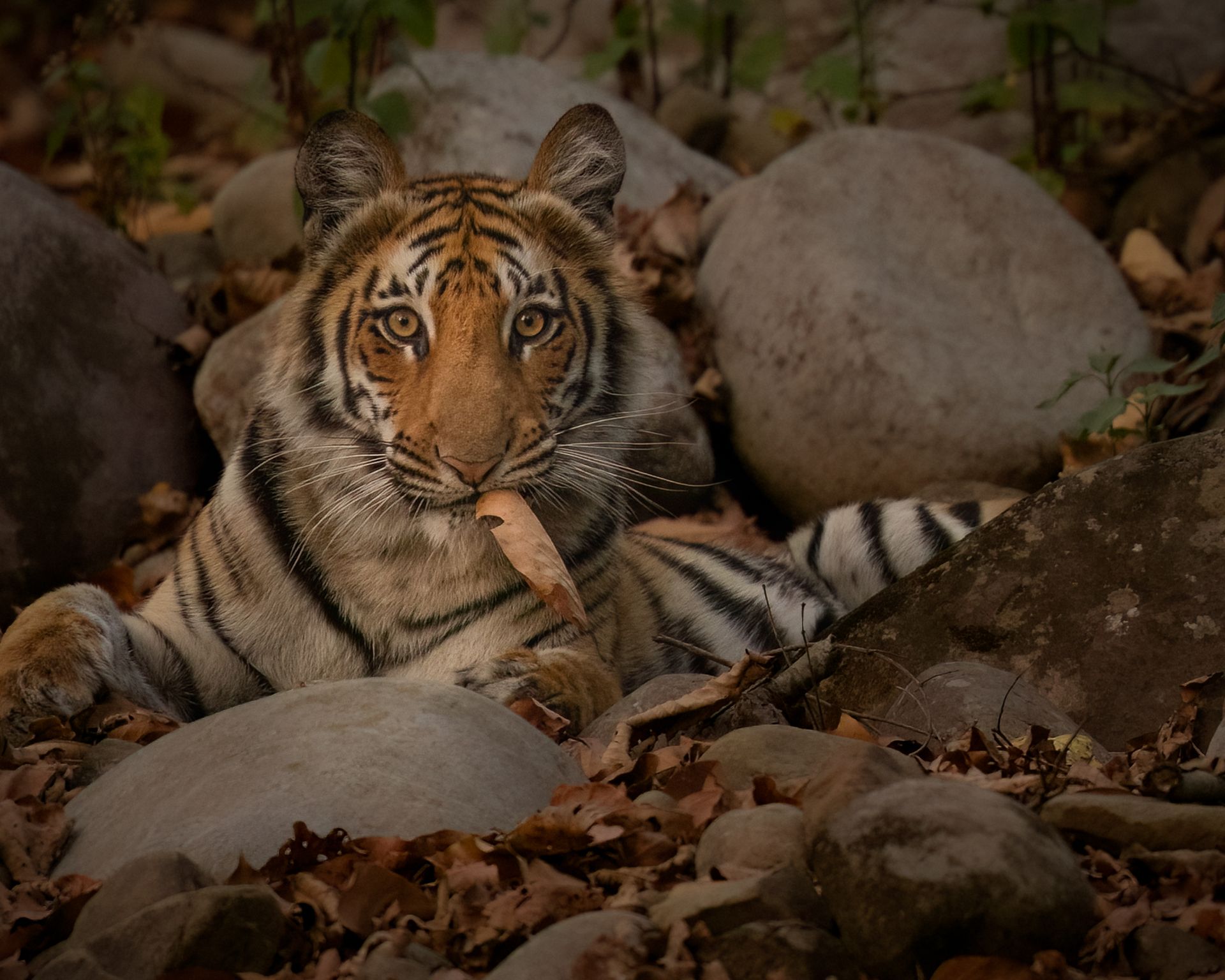
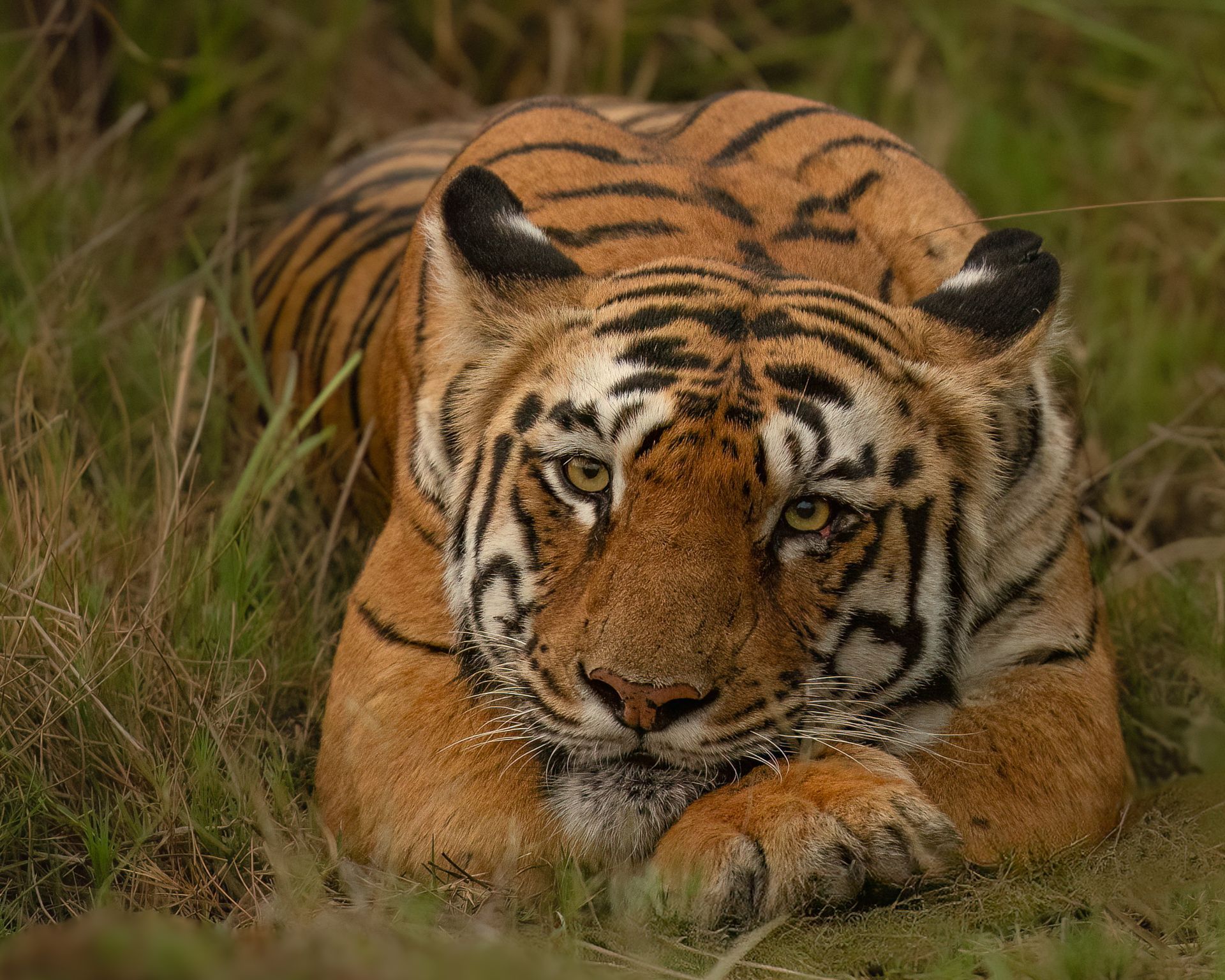
One of the most important things I want photographers to understand before traveling to India is that we are searching for genuinely wild tigers.
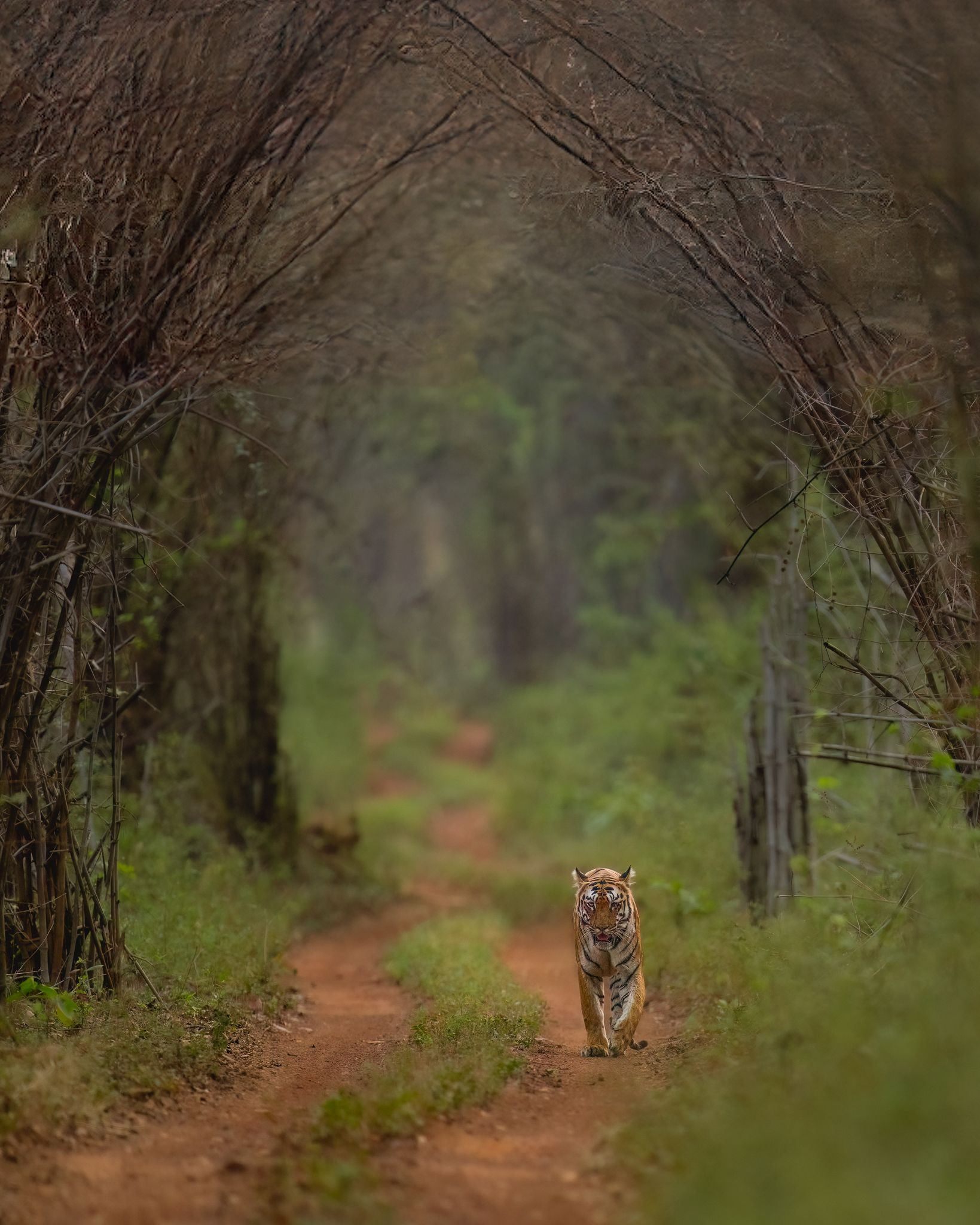
A Bengal tiger may move through open terrain one day and remain deep in vegetation the next. It may cross a road briefly, rest somewhere completely out of sight or move through a different part of the park while we are searching elsewhere.
That uncertainty is part of a genuine wildlife safari.
When people search “are tiger sightings guaranteed in India?”, the responsible answer is no. A knowledgeable guide can read signs, understand the landscape and make informed decisions about where to search, but nobody can control where a wild tiger will be or promise that one will appear.
For me, this is also part of what makes tiger photography so compelling. When an encounter does happen, it has developed naturally rather than according to a schedule.
How Guides Search for Tigers in India’s National Parks
Searching for tigers is an active process, even when much of it involves watching, listening and waiting.
Experienced local naturalists look for tracks, listen for alarm calls and watch the behavior of other animals. Their knowledge of the park helps them interpret those signs and decide where it may be worth searching or waiting.
Sometimes the landscape tells us something before we ever see the tiger.
A change in the behavior of deer or other animals can be significant. Tracks may show that a tiger has moved through an area. Calls from within the forest may suggest that a predator is nearby.
For photographers, this is also valuable preparation time. I use those quieter periods to help photographers think about their settings, the available light and what they may need to change quickly if an encounter suddenly develops.
Wildlife photography does not always give you time to solve technical problems once the animal appears. Being prepared beforehand matters.
Why Patience and Multiple Safari Drives Matter
More time in the field gives us more opportunities to search, observe changing conditions and experience different wildlife activity, but it still does not create a guarantee.
There is no fixed answer to how many safaris you need to see a tiger in India. A tiger might appear early in a journey, later in the trip or remain out of sight despite experienced guides and repeated searches.
So, are you guaranteed to see a tiger on safari in India? No. Multiple safari drives increase the time available to search for wild tigers, but sightings always depend on the animals themselves.
That is why I prefer photographers to think in terms of field time rather than a promised result.
Morning and afternoon drives can also feel completely different. Light changes, wildlife moves and an area that seemed quiet earlier may become active later.
If you are deciding between different tiger areas, my previous guide to
where to photograph tigers in India: Kanha and Bandhavgarh explains how the two landscapes differ photographically.
What You May Encounter While Searching for Tigers
A Bengal tiger safari is not only about tigers.
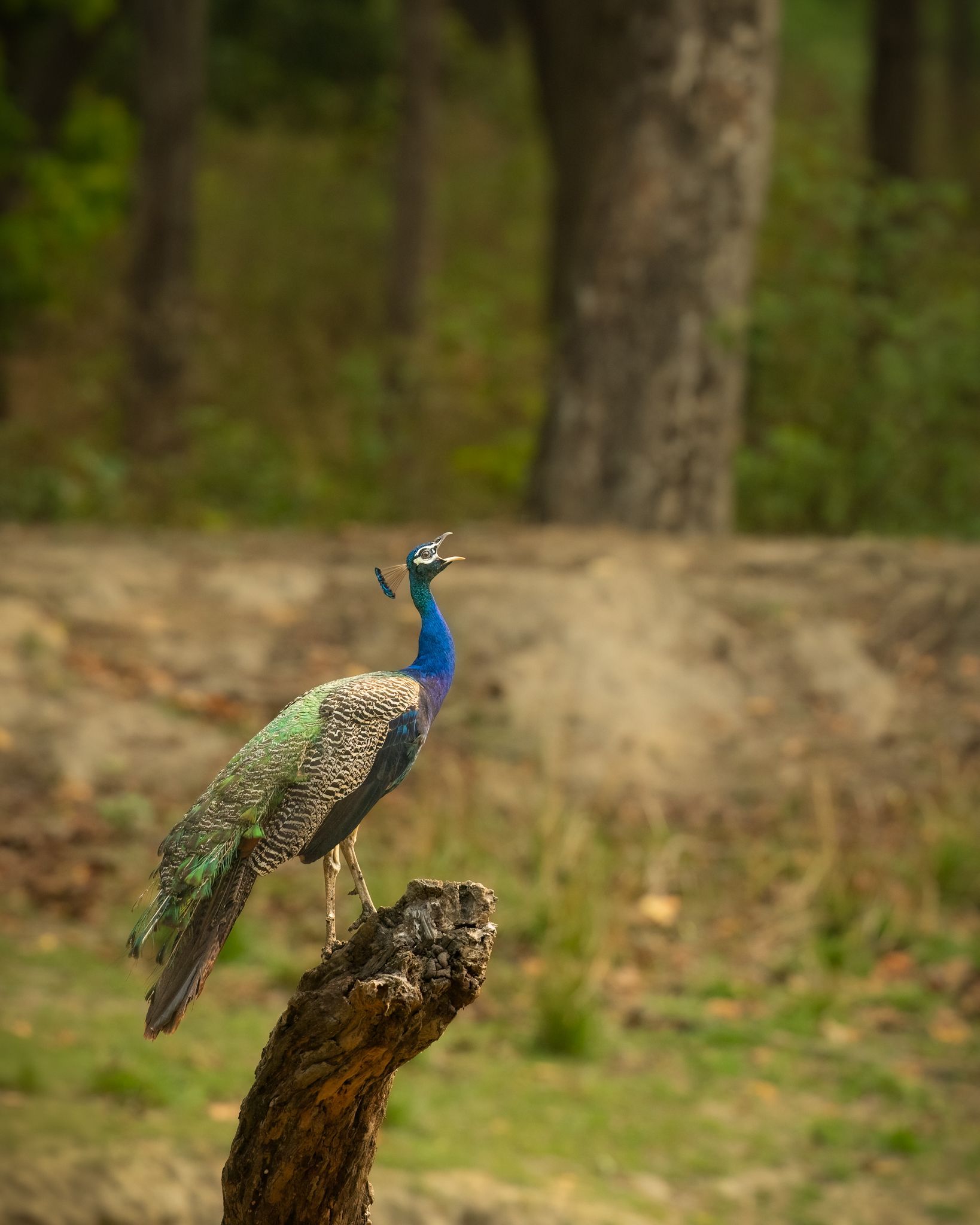
Depending on the park and natural wildlife movement, photographers may also encounter leopards, sloth bears, wild dogs, Indian gaur, spotted deer, elephants and a wide variety of birdlife.
I do not think of those encounters as something to photograph merely while waiting for a tiger.
Every subject creates its own challenge. Movement changes. Light changes. Distance changes. Backgrounds change. Photographing different wildlife keeps you engaged with what is happening around you and gives you more opportunities to work on timing, composition and behavior.
The landscape matters too.
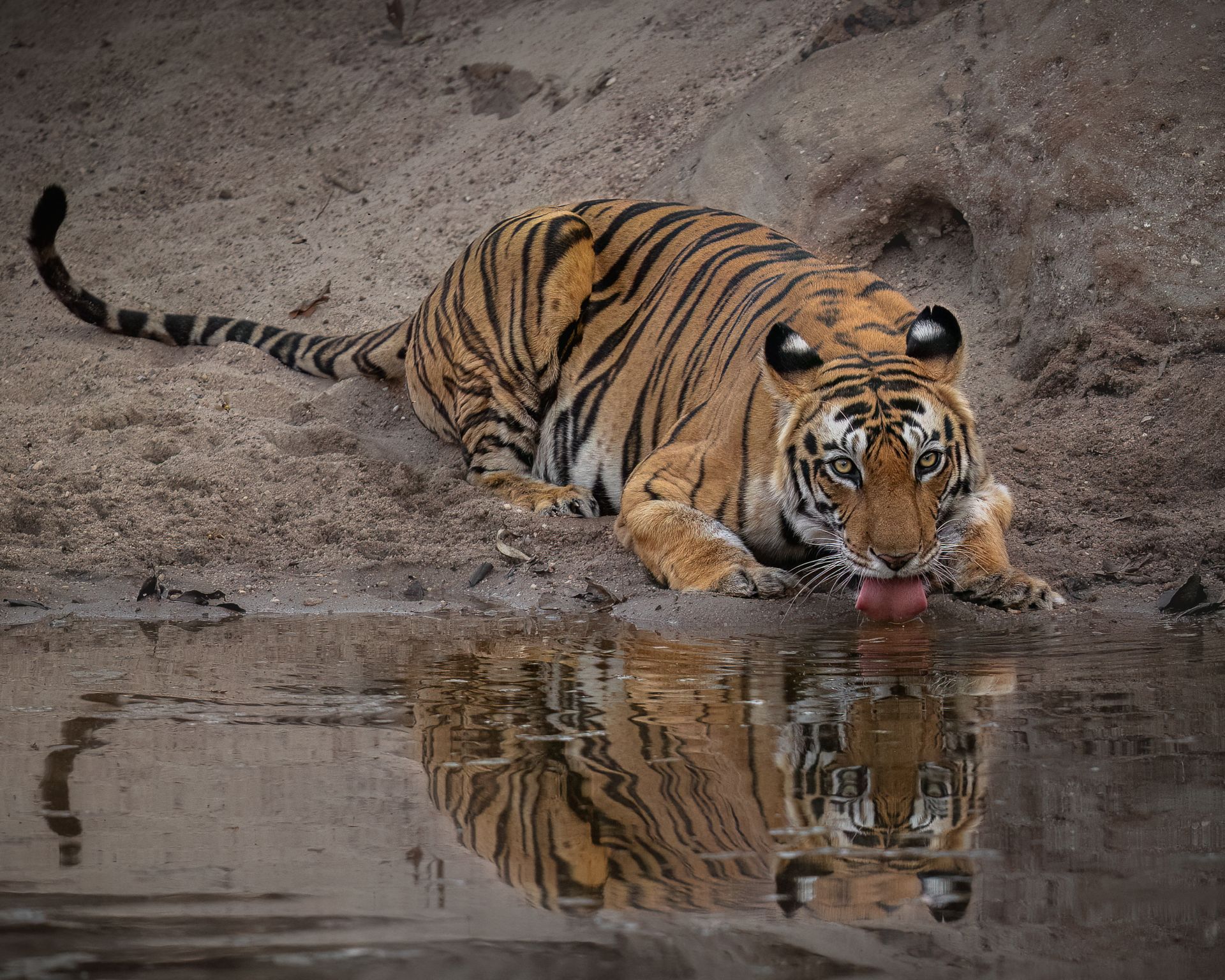
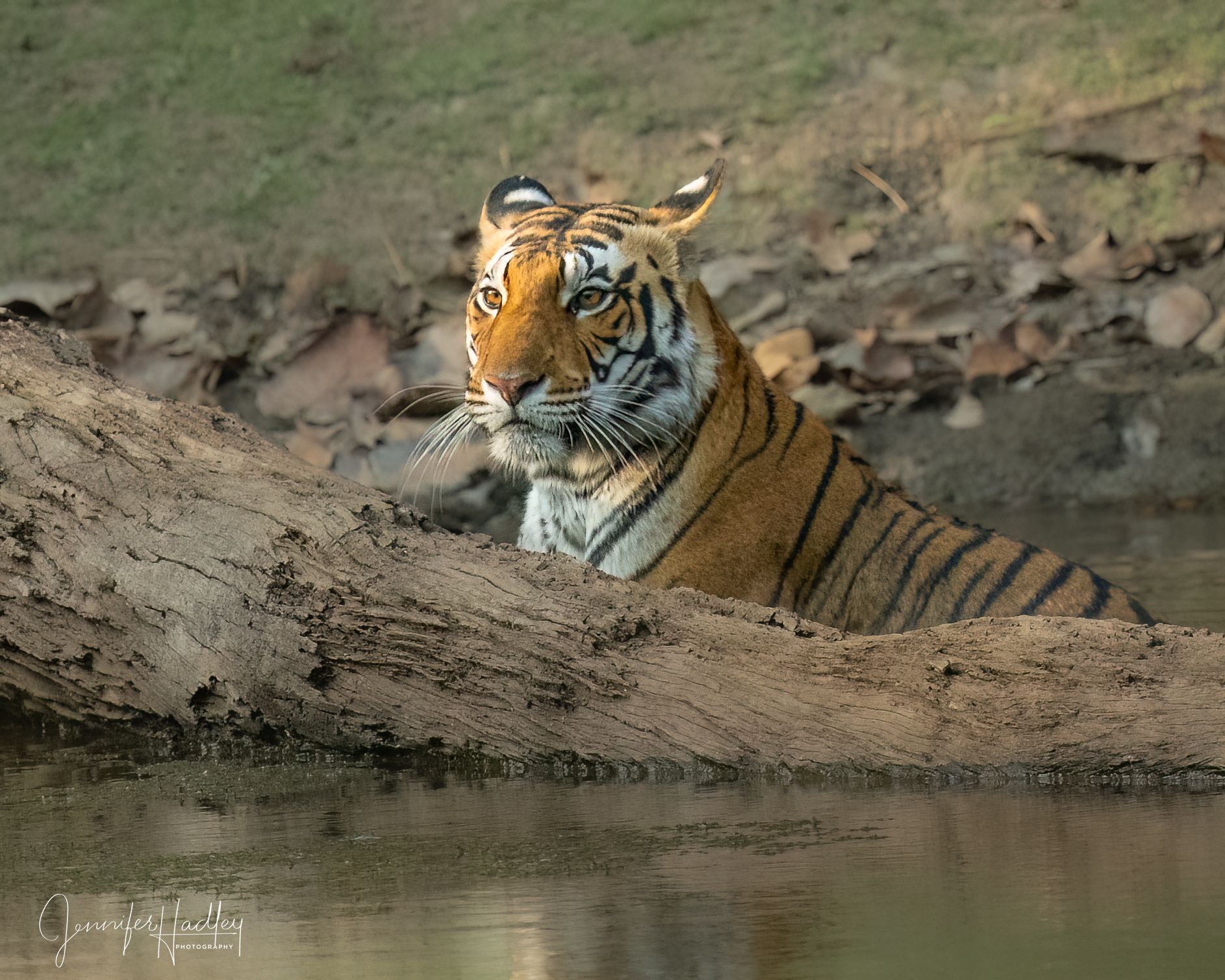
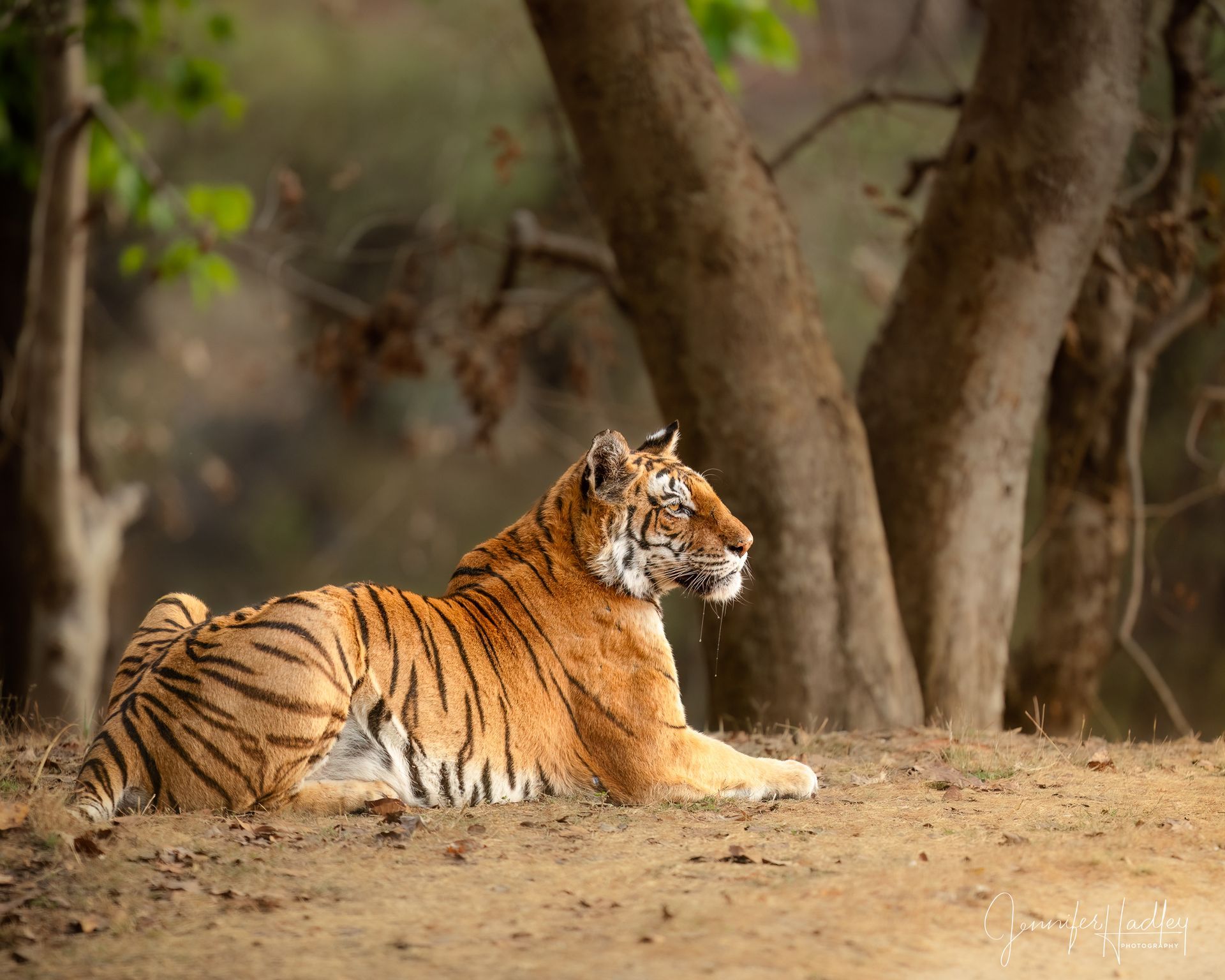
Kanha can bring sal and bamboo forests, open meadows and lakes, while Bandhavgarh includes forest, rocky hills, grasslands and waterholes. Those environments become part of the image and can influence the way a wildlife encounter is photographed.
For anyone considering an India wildlife safari for photographers and nature lovers, the wider ecosystem is an important part of the experience rather than simply the space surrounding the tiger.
What Makes a Wildlife Safari Successful Beyond One Sighting
Of course we go to India hoping to photograph tigers. I would never pretend otherwise.
But I do not think a wildlife photography safari should be judged entirely by whether one particular animal appeared in front of us.
For me, a successful trip also means becoming better at observing wildlife, understanding behavior, reacting to changing conditions and making stronger photographs from the opportunities that actually develop.
That is why the structure around the wildlife matters.
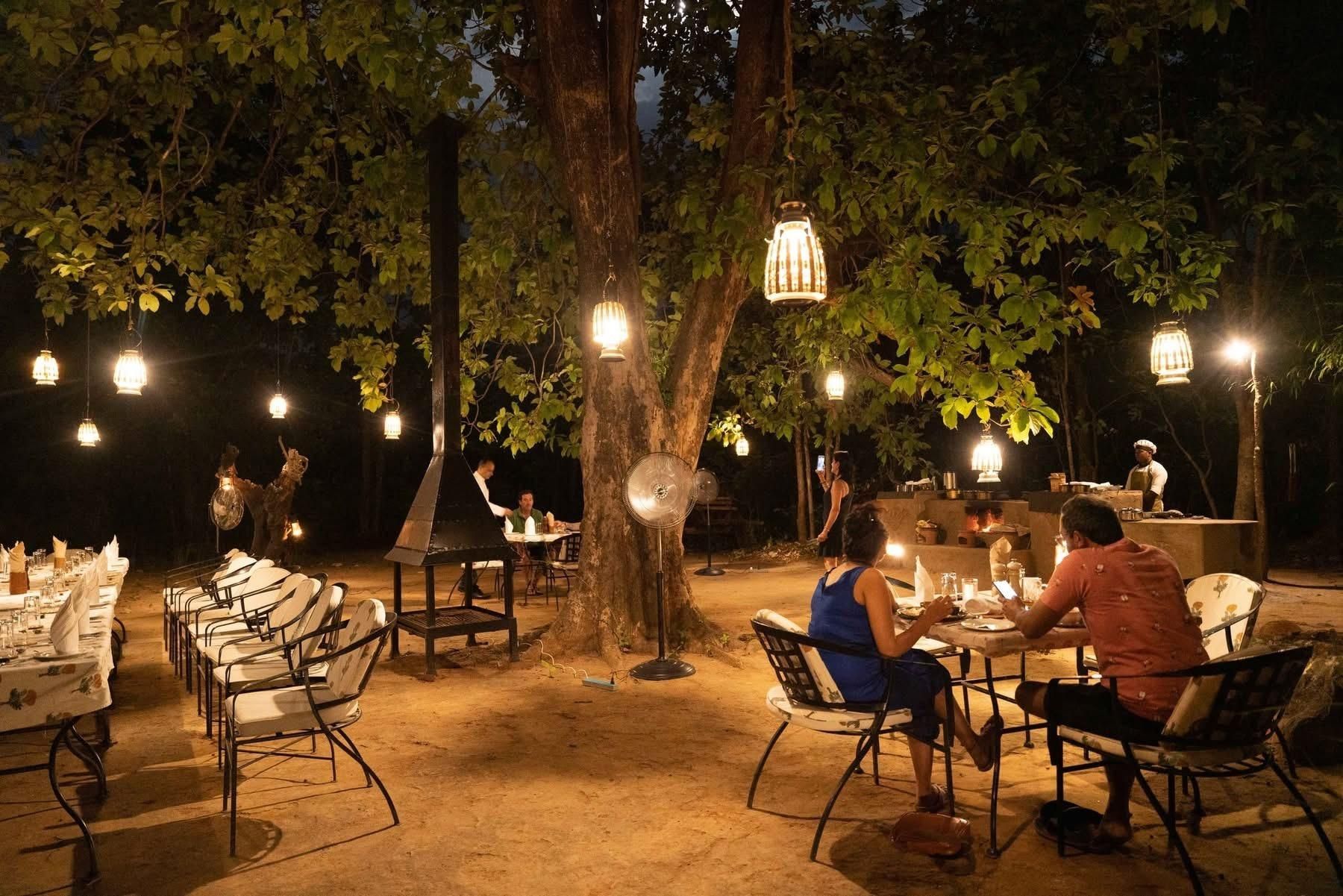
On Tiger Trails, experienced local naturalists bring their knowledge of the parks and animals, while I work directly with photographers on the photographic side of the experience. Each safari jeep is limited to two photographers, giving both more room for equipment and greater freedom to respond when wildlife moves.
Between drives, we can also review images and work on editing together. That gives us the opportunity to see what worked in the field and make practical adjustments before going out again.
When comparing a small-group tiger photography tour in India, I would therefore look beyond claims about tiger sightings. Ask who is guiding the wildlife experience, who is supporting the photography, how many photographers share the vehicle and whether the trip gives you enough time and space to respond properly when an encounter develops.