Key Takeaways
- Kanha combines sal and bamboo forests with meadows and lakes, while Bandhavgarh includes forest, rocky hills, grasslands and waterholes.
- Tigers are the main focus, but both parks offer broader wildlife photography opportunities.
- Choosing one park or combining two depends on whether you want greater focus in one environment or more variety across different habitats.
Why Central India Attracts Wildlife Photographers
Central India gives wildlife photographers the chance to work in environments where light, vegetation, background and animal movement can change constantly.
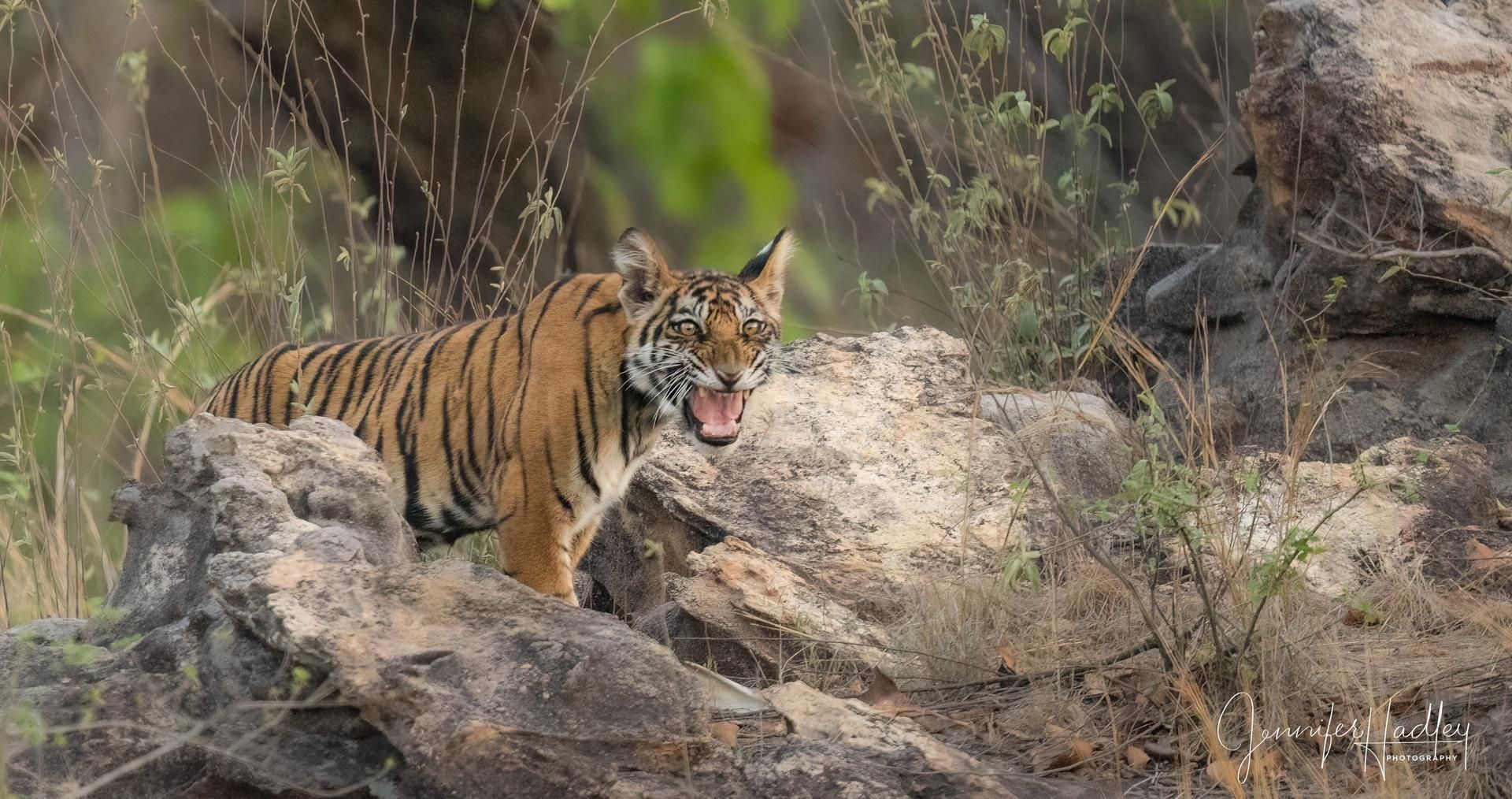
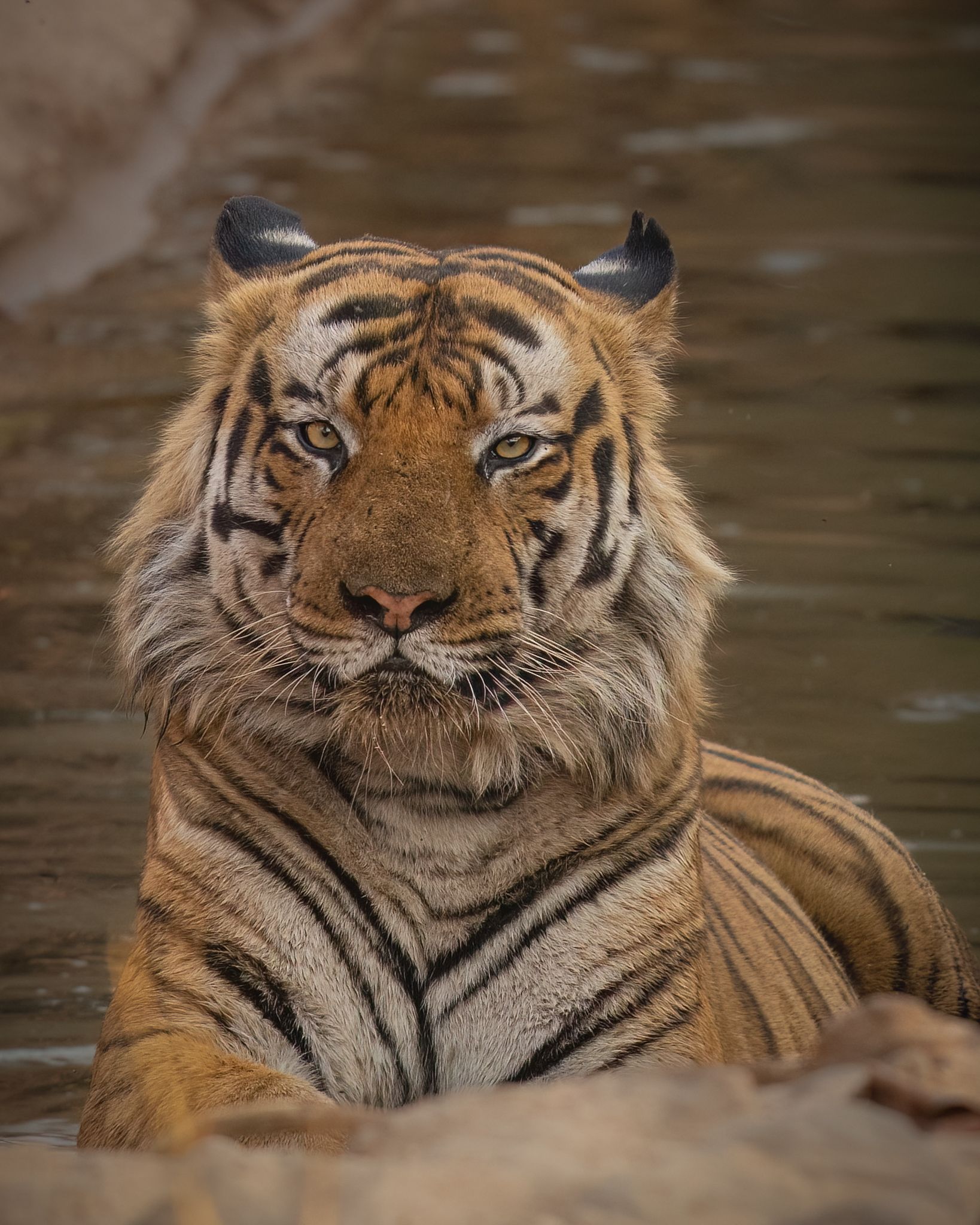
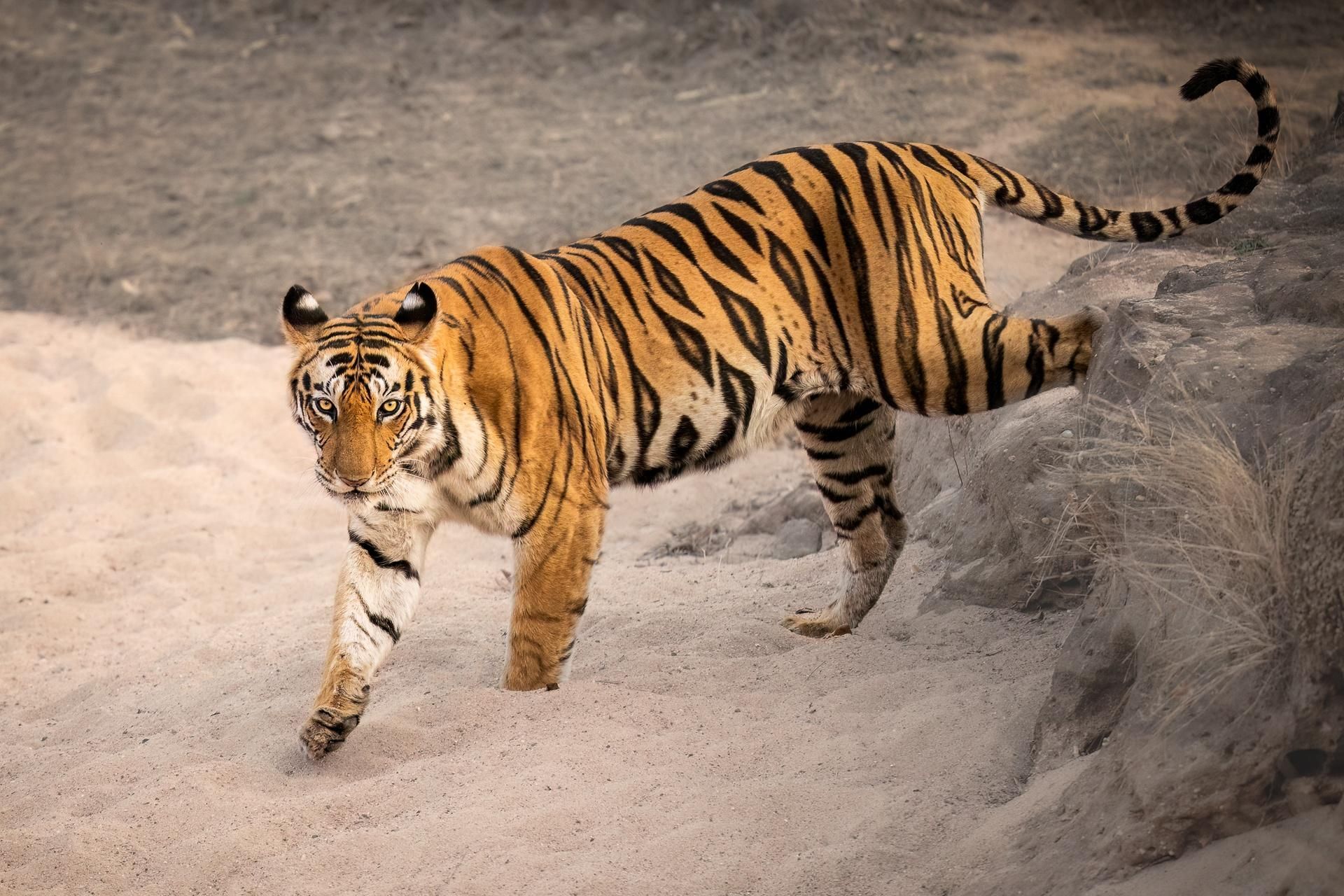
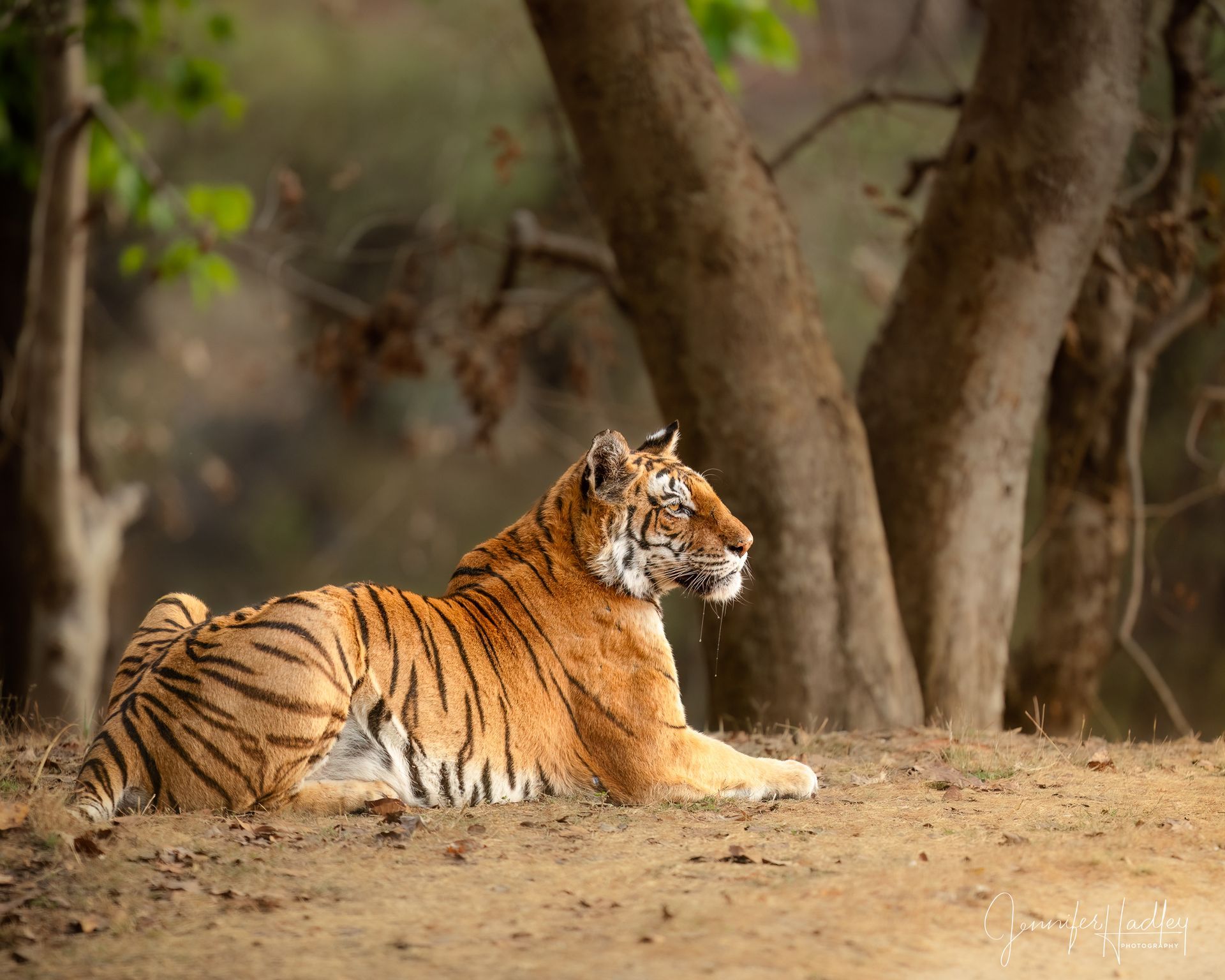
That matters because photographing a tiger is not simply about finding one. The quality and character of the image depend on what is happening around the animal: whether it is moving through forest, crossing an open area, standing near water or partially hidden by vegetation.
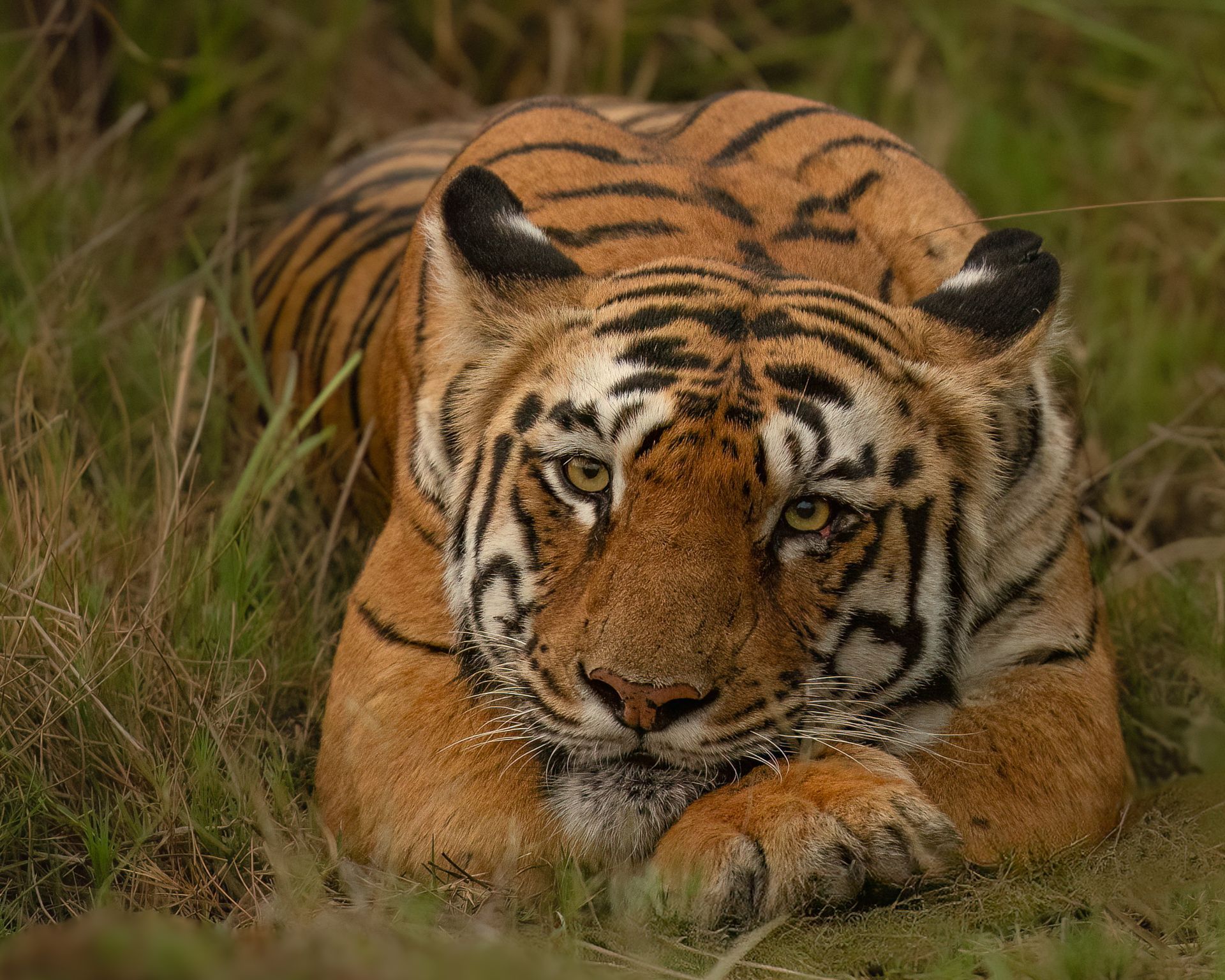
For photographers comparing an India tiger safari through national parks, Kanha and Bandhavgarh offer two distinct visual environments. I do not approach them as interchangeable tiger destinations. Each park creates different photographic challenges and different opportunities.
The wildlife experience is broader than tigers as well. Depending on the park and natural wildlife movement, photographers may also encounter leopards, sloth bears, wild dogs, Indian gaur, spotted deer, elephants and a wide range of birdlife.
Wildlife sightings are never guaranteed. Tigers and other animals move freely through natural landscapes, so patience, observation and readiness are always part of the experience.
For me, that unpredictability is central to wildlife photography.
Photographing Wildlife in Kanha National Park
A Kanha tiger photography safari places photographers in a landscape of sal and bamboo forests, open meadows and lakes.
Photographically, that variety matters.
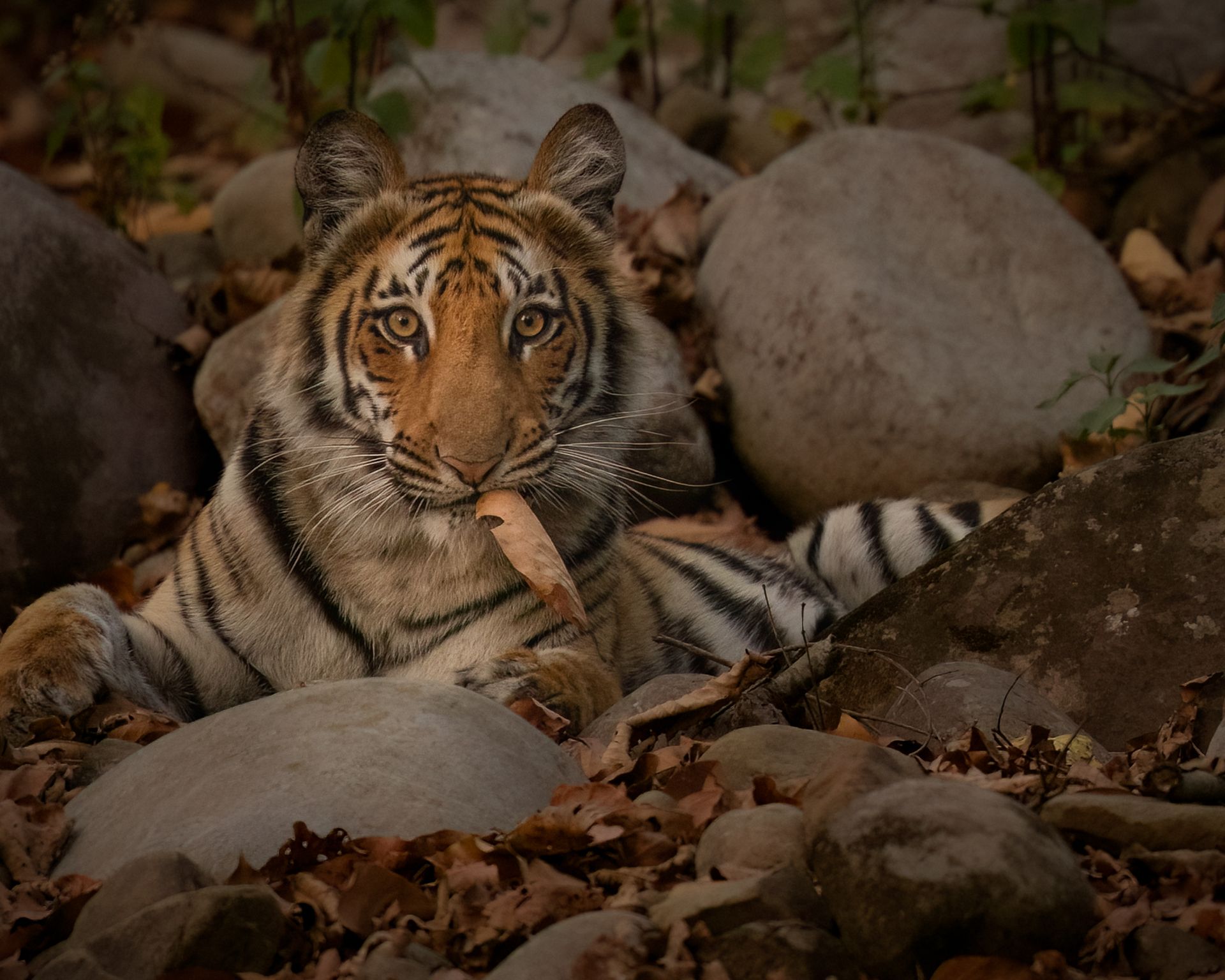
Dense forest creates tighter compositions and more complex backgrounds. Open meadows give photographers more room to work with the wider landscape, while lakes and open areas can introduce a different quality of light and visual space.
A tiger in one of these settings can look completely different depending on where it appears.
Sometimes the strongest photograph will be a close portrait. At other times, including more of the environment can tell a much stronger story about the animal and its habitat.
Kanha also offers opportunities to photograph wildlife beyond tigers, including sloth bears, leopards, wild dogs, Indian gaur, elephants and birdlife. Those encounters are part of the photographic value of the park, because they keep photographers working with different subjects, movement and conditions throughout the safari.
That variety is useful in the field. Photographing different species forces you to keep adjusting to distance, speed, behavior, light and background rather than waiting for one specific subject.
When a tiger does appear, those same observational and technical skills matter.
Photographing Tigers in Bandhavgarh National Park
Bandhavgarh has a different photographic character.
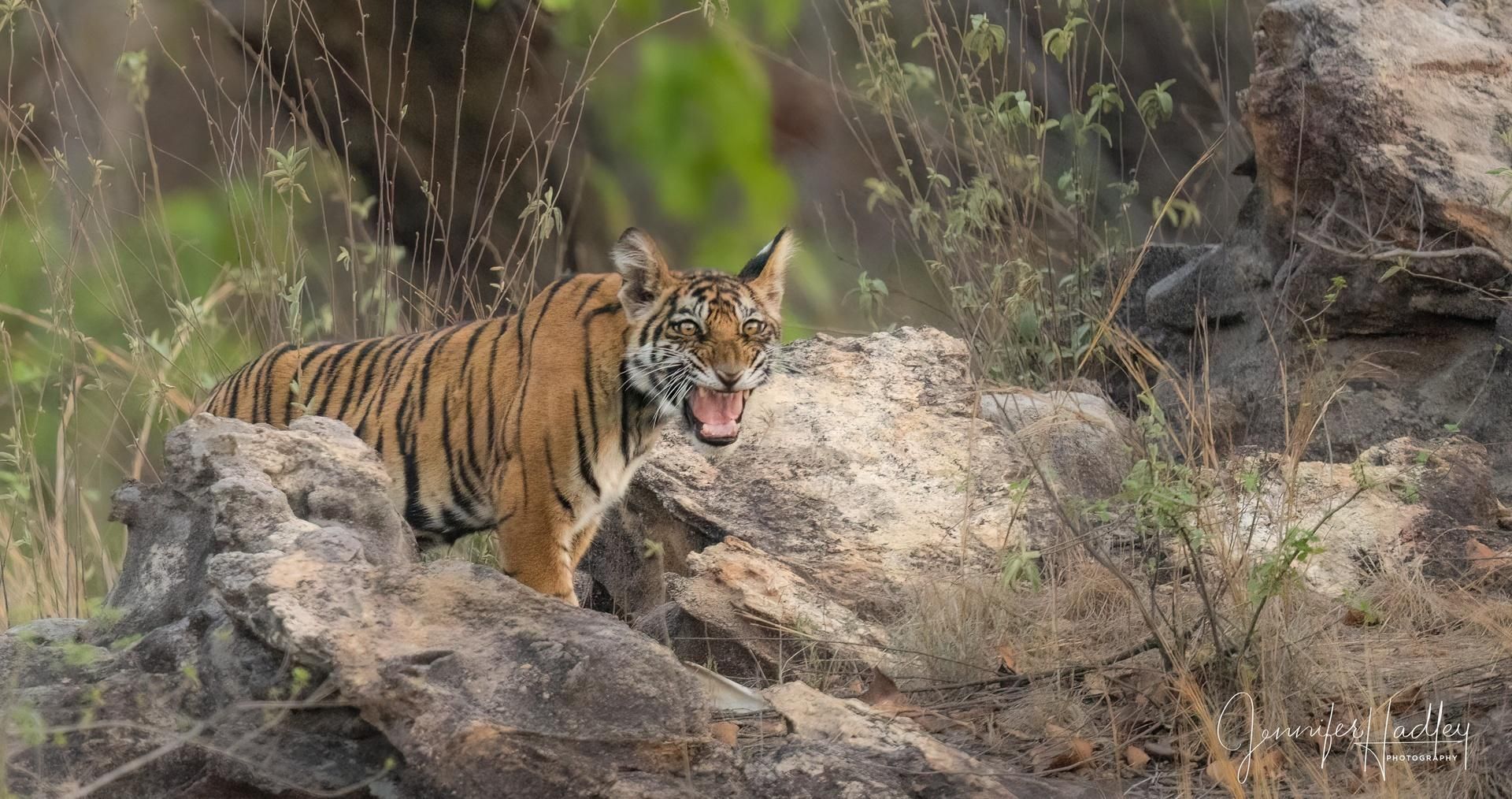
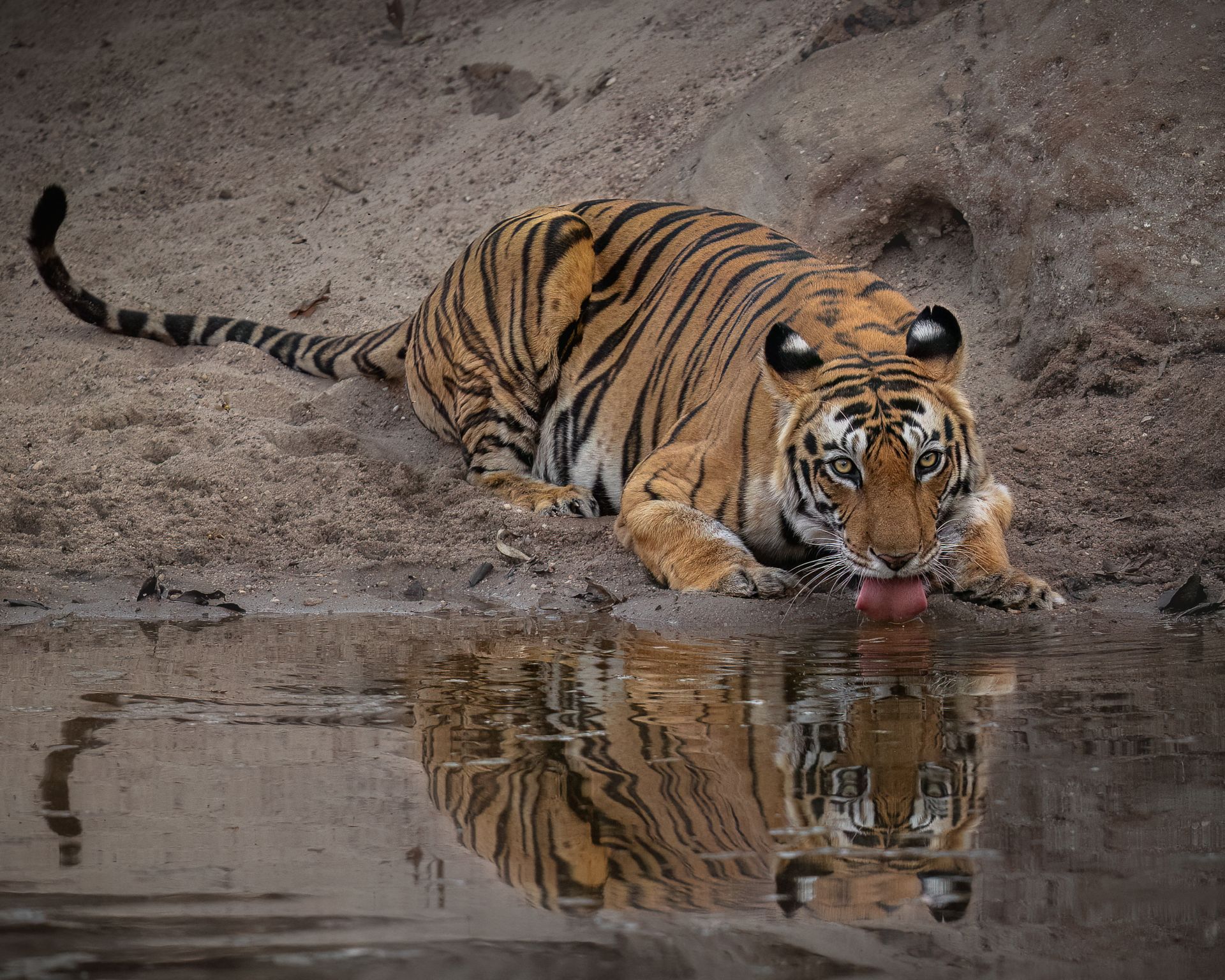
Its landscape includes forest, rocky hills, grasslands and waterholes, creating a mix of enclosed and more open settings. A Bandhavgarh
tiger photography safari can therefore shift quickly from one type of photographic situation to another.
A tiger moving through forest may appear briefly between vegetation, which can require fast decisions about focus, exposure and composition. In a more open area, the photographer may have more time to work with the animal within the landscape.
Bandhavgarh is also home to leopards, sloth bears, wild dogs, Indian gaur, spotted deer and varied birdlife.
These other species matter because wildlife photography rarely follows a fixed plan. A photographer may begin a drive hoping for a tiger and end up with a completely different encounter that becomes one of the strongest photographic opportunities of the day.
Experienced local naturalists are particularly important in this environment. They understand the park, wildlife behavior and the signs that can help indicate what is happening around us.
My role is different. I am looking at the same situation from a photographer’s perspective: the light, camera settings, position, background, behavior and how quickly the photographer may need to adapt.
That combination of local wildlife knowledge and photography mentorship is central to the way I approach Tiger Trails.
Choosing Between Kanha and Bandhavgarh to Photograph Tigers
If your main question is where to photograph tigers in India, both Kanha and Bandhavgarh can offer strong photographic opportunities, but they do so in different ways.
Kanha gives photographers sal and bamboo forests, open meadows and lakes. Bandhavgarh brings forest, rocky hills, grasslands and waterholes. The difference is therefore not simply which park may produce a tiger sighting. It is also about the environment in which you may be photographing that tiger.
If you prefer greater variety across landscapes, visiting both parks can make sense. If you want to spend more time becoming familiar with one environment, focusing on a single park can also be a strong choice.
The important point is that there is no single park that is automatically right for every photographer. The better choice depends on the type of photographic experience you want, the amount of time available and whether you prefer depth in one location or variety across more than one.
How the Landscapes of Kanha and Bandhavgarh Differ
The landscape is one of the clearest differences between Kanha and Bandhavgarh.
Kanha combines sal and bamboo forest with meadows and lakes. Bandhavgarh combines forest with rocky hills, grasslands and waterholes.
For photographers, that changes far more than the background.
Vegetation affects how much of an animal is visible and how quickly it can disappear. Open terrain affects how much of the environment can be included in a composition. Forest can create bigger differences between light and shadow, while more open areas may allow photographers to work differently with the surrounding landscape.
The direction an animal moves can also change the best shooting position within seconds.
That is why vehicle setup matters so much on a wildlife photography safari in India.
On Tiger Trails, I limit each safari jeep to two photographers. This gives both photographers more room for longer lenses and camera equipment, as well as greater freedom to change position when wildlife moves.
You cannot control where a tiger will appear or which direction it will move, but you can make sure the vehicle gives photographers enough room to respond.
Should You Visit One Tiger Park or Combine Two?
The answer depends on what you want from the trip.
Focusing on one park gives you more time in a single environment. You become more familiar with its landscape, the visual character of the habitat and the photographic conditions you may encounter there.
Combining Kanha and Bandhavgarh gives you greater variety.
From a photography perspective, that means moving between different landscapes, backgrounds and field conditions rather than repeating the same visual environment throughout the journey.
For photographers researching the best tiger parks in India for photography, I would therefore look beyond a simple park comparison. The more useful question is whether you want concentration or variety.
A single-park journey can be very focused. A two-park journey can give you a broader range of photographic environments.
Neither is automatically better.
If you are also considering making the journey on your own, I have written separately about traveling solo on an India tiger safari.