
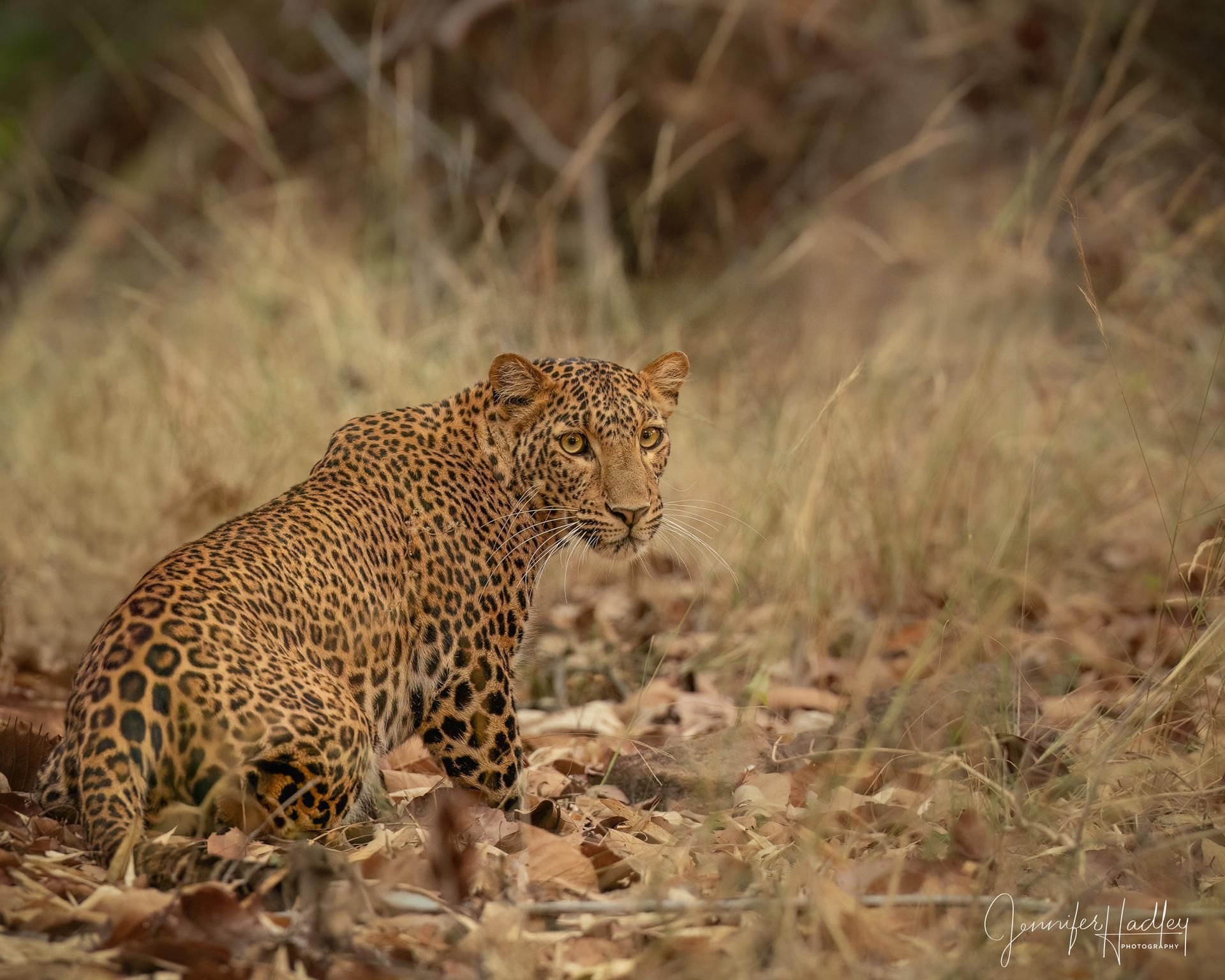
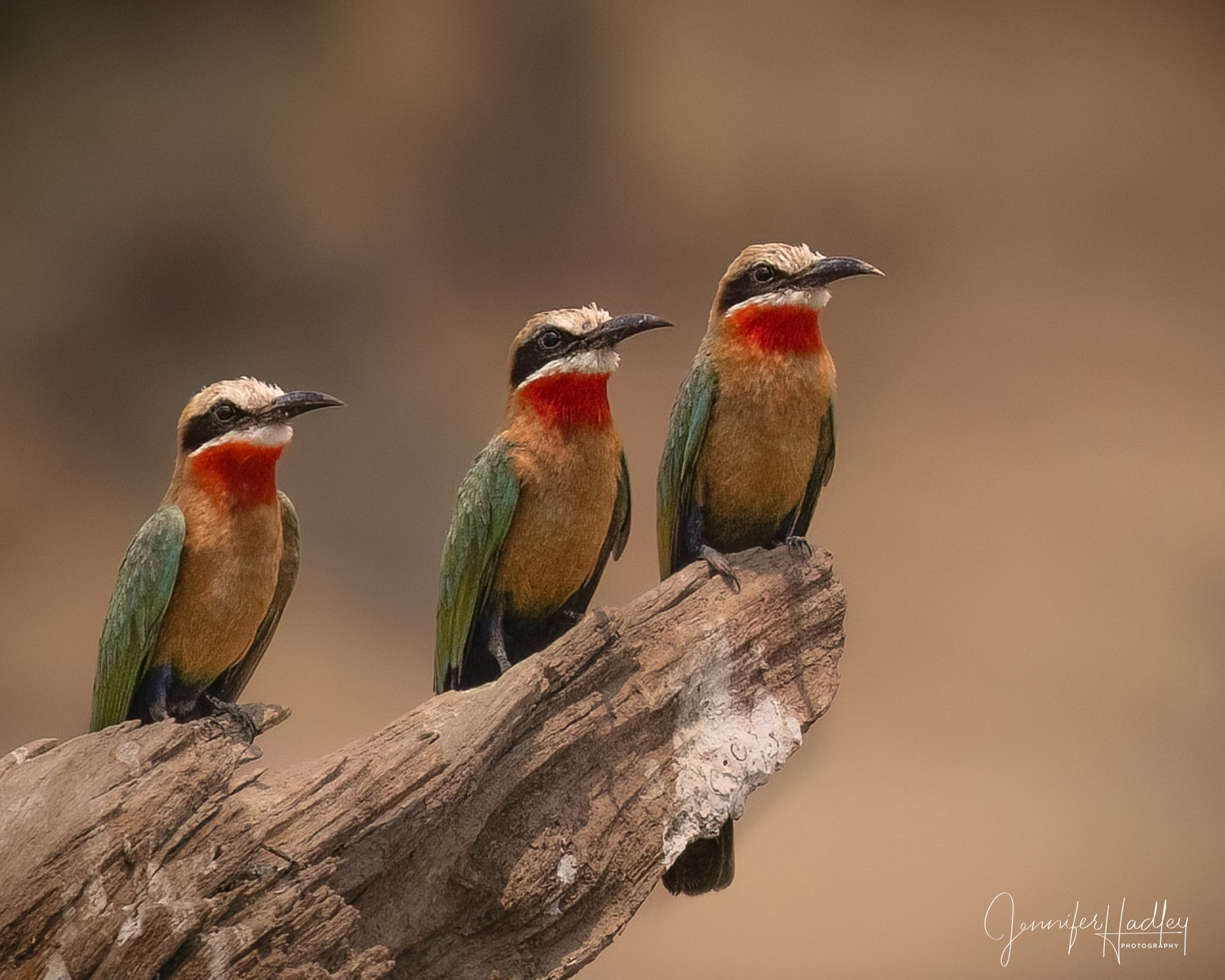
Wow! Day 3 was a bit of a doozy! I have a ton of photos to still go through even though I feel like I've been at it for a while. The truth is I'm pretty exhausted because I got maybe and hour of sleep last night......maybe. Due to a logistical issue, the usual trip leader /guide room was not available for the first night (last night) so I was put into a room that can best be described as a bit scary. I don't need the usual comforts per say, but this room was quite old and had not been used in quite some time and had many holes in the netting and basically anything the size of a tarantula or smaller could get in. The staff did their very best to have it nice and clean for me but there was nothing they could do to fix the many gaping holes. So......I had many many visitors of the arachnid kind. Those of you who know me, know that I am absolutely terrified of spiders. Yes, yes....I'm told they are all harmless but I don't care how harmless they are to normal people, they terrify me to my very core. I asked for an extra can of Doom Insecticide spray and I tried to spray around the edges just to encourage them to stay out but other than inhale lots of insecticide, I don't think it did much good. Every so often I'd spot yet another intruder and have to go spray vast amounts of Doom on them. I tried as best as I could to sit in the bed, mosquito netting tightly wrapped around and work on photos but at around 1:30 in the morning, I had to go to the bathroom. Armed with my 2 cans of Doom I carefully entered and while sitting on the toilet, I saw a medium sized spider in the corner by the sink and then a very big and very fast spider on the back of the door. Mind you, this bathroom is tiny. Panic set in as I quickly went through the options in my head. The one in the corner was the first to receive a large quantity of Doom. Then my attention shifted to the much larger spider on the door. The way the door hung, it stayed in the middle and basically cut off my escape route. Surely the bigger spider had already seen what was happening and was now ready for a full out battle with me and no, he was not more afraid of me than I was of him. He clearly had the upper hand. I took one deep breath and unloaded the Doom on him but he was so big and fast, he was able to escape to the other side of the door. Now, not only am I stuck in the bathroom but I don't know where he is. He might be on the other side of the door or he might have just went up onto the ceiling of the room. I had no idea. Now my heart and my head are both pounding and my Doom is running low. So the only option left was to lay down a cover of Doom like soldiers do while trying to advance in the field of battle and run through it. So with both cans in hand, I let the Doom rip on either side as I ran past the door and into the room. There might have been some screaming, I'm not sure. After safely crossing back into the room, a full visual inspection was conducted but of course the room is quite dark and the spider blends in well. I could not find him. By this point, it was well past 2 am and my alarm was set for 4:40 am. I got back into the relative safety of my mosquito net covered bed but sleep evaded me. Somewhere, a very angry large spider was no doubt watching and waiting. I sat and read the news for a while hoping that my exhaustion would finally allow me to fall asleep. Eventually it did. I'm not sure what time that was but it seemed like the alarm went off a few minutes later although I'm pretty sure it was longer than that. Happily, today everything was straightened out and I'm in the regular trip leader/guide room which is quite nice and much more insulated from everything that wants to kill me. I got new bottles of Doom just in case and feel at this point that I am single handedly supporting the profits of this company. But back to today. The morning started with a brilliant sunrise, like a ball of flame rising out of the horizon. After a quick stop to photograph it, we proceeded to try to find the leopard lovebirds from the evening before but they had moved somewhere else. We found a bachelor herd of buffalo which was super cool and although none of them were the old massive ones, a couple were quite cooperative and photogenic. Then we passed by another vehicle that reported that they had seen 2 female wild dogs running through the area just minutes ago and the chase was on. Wild dogs are super energetic and move fast and unpredictably. We drove around looking for them until a short while later, we finally found them in a dry river bed next to some remaining water. They clearly had killed and eaten something recently, probably an impala judging from their bloody faces and now they were quite fat, thirsty and tired. We watched them for quite some time and although the area they were in was not very nice photographically, they did eventually go up from the dry river bed into a nicer open area where we were able to grab some photos before they went to sleep. We also had an opportunity to get out of the vehicle and photograph hippos in the water and eye level. There are so many hippos here. It's a hippo paradise. Later we found a lone leopardess who is 13 and pregnant and absolutely stunning. Our guide very skillfully drove us down to the area where she was so that we could be more eye level. While watching her, we got news that the mating pair of leopards that we saw the other day were spotted so off we went to locate them and we did during beautiful golden hour. I have scanned through those photos and I'm ecstatic with what I and my guests were able to capture. As was the case from the previous night, they were quite busy with their mating ritual and gave us many great looks. We also got to watch quite a large herd of elephants making their way across the river and two young hippos playing and chasing each other around which was just the sweetest thing to watch. Driving back tonight brought more fun sightings of elephant shrews, genets, and the very elusive white tailed mongoose which I was personally very excited about. We even made time today for some birding, catching 3 White Fronted Bee Eaters hanging out all together. Tomorrow, we are wheels up at 5:15 am to go to the Carmine Bee Eater hide. This is a highlight in this area during the fall months as thousands of these beautiful birds fill the cliffside. It's quite the spectacle and I'm really excited for us to watch this. I will have more photos in future versions of my field journal and now it's off to try to catch a couple hours of shut eye. Thank you for following along and I hope everyone has a fantastic rest of their weekend.
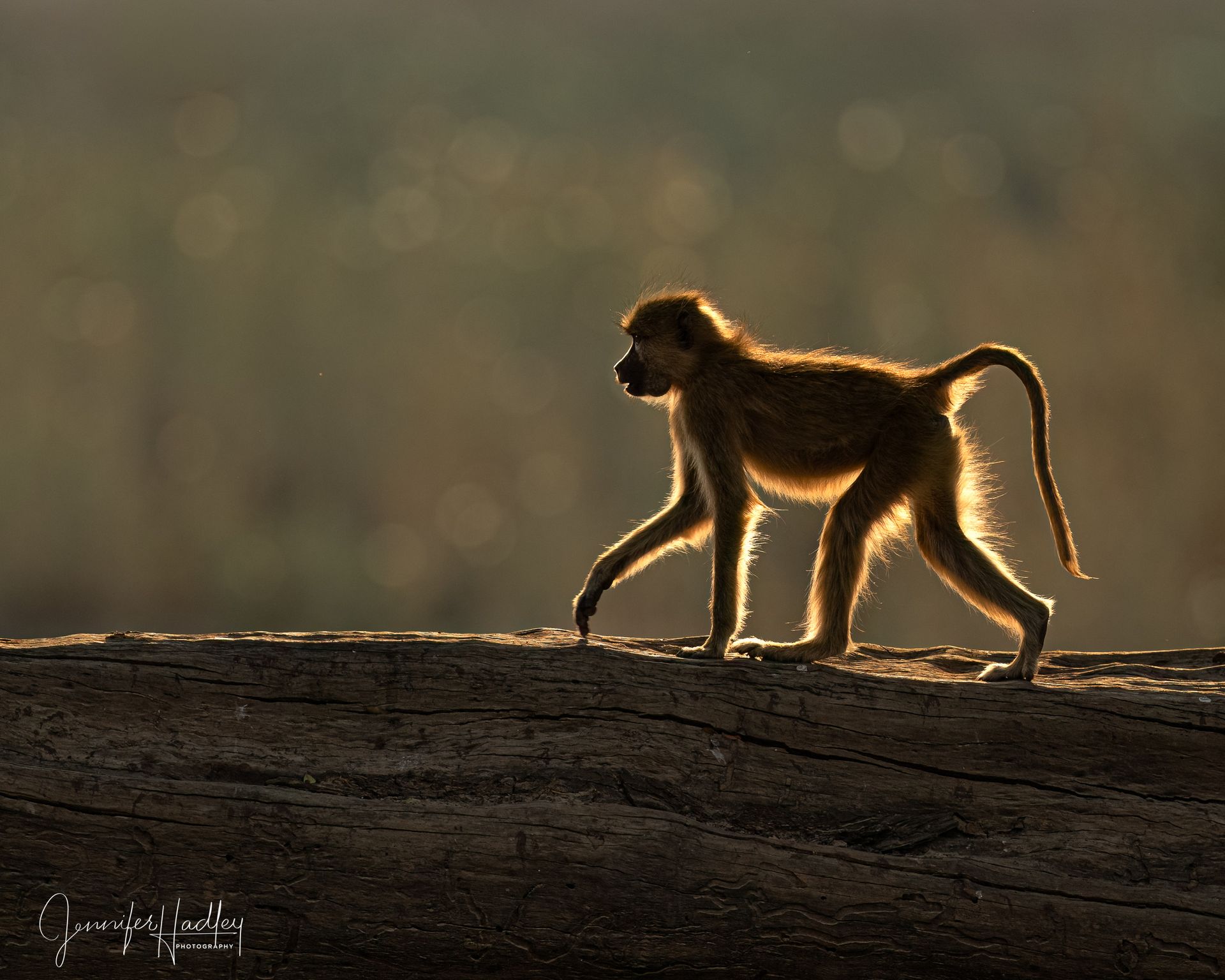
It's Day 2 of our Zambia adventure and after a leisurely breakfast and some final packing, we were ready to go! As nice as it was to get a little break at our Lusaka hotel and catch up on some sleep, everyone was raring to get going. We took a quick ride back to Lusaka airport and boarded our plane for a short flight to Mfuwe airport. Getting all of our camera gear loaded into the aircraft was a bit of a challenge but after some good old teamwork, we were able to shove our overloaded pelican cases and backpacks full of gear under the seats and into the very tiny overhead bins. We were met at the airstrip by our awesome guide from Shenton Lodges who goes by the name Sly, which I love because one of my all time favorite movies is Rocky IV. The first half hour drive took us through country villages where children waved excitedly to us. Women walked with baskets balanced on their heads which always amazes me and gives me a bit of a headache just thinking about how one can carry that much weight on their head. Men rode bicycles with huge thick sticks for firewood and shopkeepers sat on their front stoops waiting for customers. And then, what we'd all been waiting for......the entrance to South Luangwa National Park appeared. This park is huge at 9,050 square kilometers with varied landscape and topography and of course the winding and extensive Luangwa River and as it happens our first lodge is on the banks of the river. As I sit here writing this in the wee hours of the night, I can hear hippos around and perhaps even in camp grazing in the coolness of the night. We meandered through the park to camp for the next 2 hours or so stopping under a nice shade tree for lunch and a little leg stretch. We had to keep a watchful eye on the vervet monkeys in the tree who acted like they didn't even know we were there but of course were just waiting for a perfect opportunity to steal our food. This time we outsmarted them and didn't give them the chance to swoop in and grab anything but from past experience, these guys are masters at stealing food from right under your nose. After filling our bellies and having some cool drinks, it was onwards to camp. It was the height of the afternoon and quite hot and the light was bad but still we saw impala, elephants, giraffe, monkeys, and warthogs (this family had such tiny babies with them, we thought they might only be a couple days old at most). Finally we arrived in camp and met the staff and were shown our rooms, which are beautiful and private with an outdoor bathtub and a private deck right above the river for each room. After quickly settling in, it was time to head to tea and on our first safari drive. I try to keep my expectations low since it's our first one and there are many more to come but nature had a little surprise in store for us. We stopped to look at some huge alligators and beautiful male kudu with their large spiral horns, and then we hit the proverbial safari jackpot......a pair of mating leopards! Now the funny thing was, when we pulled up at first, there were 3 adult ground hornbills walking right in front of our vehicle. These are huge ground birds although they roost in trees, which are black with striking red throats and eye areas. They are quite endangered and are always a treat to see. I got so exited and yet as I looked at all my guests no one seemed to be bothered. What I had not seen was the two leopards straight ahead which of course took priority. We positsioned our vehicle to try to have the best angle. These two must have started mating only a couple of days ago and their mating ritual will go on for about 7 days, give or take so being at the beginning of the process, they mated a lot! Much to the delight of my guests, we got to spend quite a bit of time with them as they moved around the area. They got so close to our vehicle at times, that I just had to break out my cell phone. What a way to start our safari! As darkness fell and it was time to head back to the lodge, our spotter shined the light into the trees and brush to see if we could find any nocturnal animals and we did! We saw 2 Genets which I was absolutely thrilled about. Although it was full darkness with a torch light, I was happy to get an evidence shot (see below) Arriving back to the lodge, we were treated to a delicious 3 course meal and it was off to our rooms to download photos, charge batteries and dream of what lies ahead tomorrow. Every day is a new day and around every turn can be an amazing surprise which makes safari so exciting. We will see what nature has in store for us tomorrow so stay tuned! Have a great night everyone and thank you for following along on our safari adventure.

It's finally here! Today is Day 1 of our Zambia adventure. As I most always do, I flew in a couple days early to get to our first group hotel and make sure everything was as it should be. I checked in with our private transport company to ensure they had the exact times for when my guests would be arriving and their flight numbers. I made sure all the guest rooms were the right configurations. I checked and re-checked our reservation for our group dinner and the same for the transportation that will take us back to the airport for our short flight to our first bush camp tomorrow. Am I obsessive? Well perhaps a little but I want to make sure everything is perfect for my guests and no stone is left unturned. The last couple of weeks have been stressful for a variety of reasons with which I won't bore you but after all the t's were crossed and i's were dotted, I signed myself up for a nice massage to take the edge off and be ready to be my best self. It was fabulously relaxing and just what I needed. Some of my guests also came in early and took in some golf and a visit to the National museum in town. It's always great to unwind and rest up before a big safari trip like the one we're about to embark on. I figured I'd mostly be working on my computer in the room before our official kickoff with the welcome dinner but alas, a few birds had different ideas. Along the walkway between the rooms and the main lounge area are trees filled with nests of the Lesser Masked Weavers. The males are a beautiful yellow and black and the females are mostly a duller yellow. The males busy themselves all day long building what they think will be the absolute perfect nest for their mate. The fly in and out bringing material and shaping the nest into an inviting space for their mates. Once they are done they hang upside down and jiggle their entire body in anticipation of their mate coming along and approving the job they have done. I watched over and over as some of their mates would come along and not approve of the nest after which the disappointed male had to start making alterations. It's amazing how much time can pass just standing and watching these very busy birds fly back and forth, build, and sometimes quarrel with their neighbors. I think I must have stood there for a total of 3 hours at various intervals. As evening approached it was time to officially kick off our trip! We met at the nicest restaurant in the hotel as a group and as introductions were made and wine was poured the group got to know each other as well as our hopes and aspirations for this trip. For some it was to really get better with their cameras and for others it was very specific shots that they hoped to get. We even threw in some really far fetched things that are not very likely but hey, sometimes the universe delivers when you least expect it. As it always seems to happen, I can already tell that this is yet another fabulous group of people that is going to get along swimmingly and I'm so excited to share our upcoming adventure with them. Tomorrow morning we take a short ride back to Lusaka Airport and get on our short flight to our first camp. We should start seeing animals almost right away so even the drive to camp will be like a mini safari drive so cameras ready! Until next time, have a great night everyone! And tomorrow we are off on safari! Yippeee!
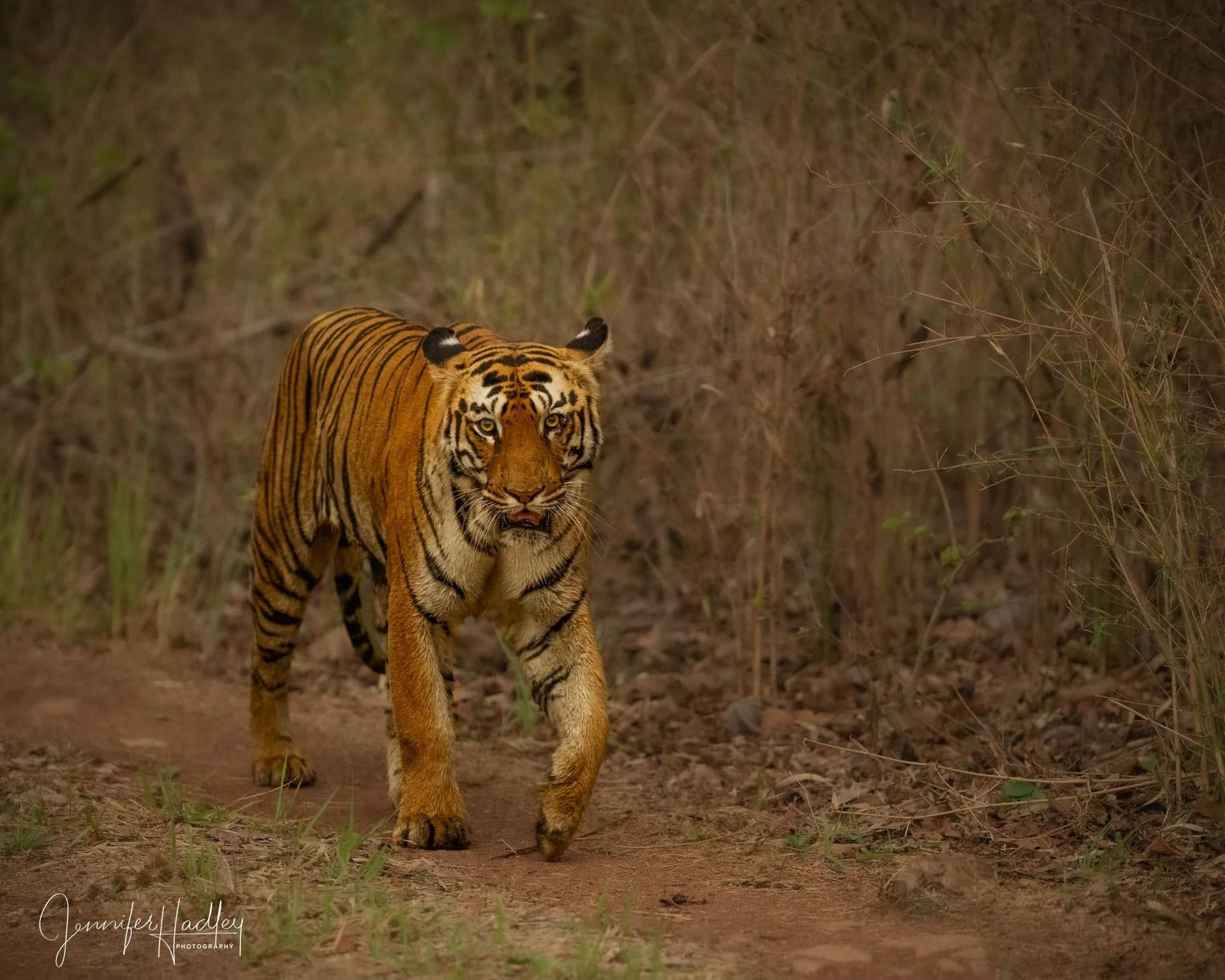
See what to expect on Tiger Trails in India, from two photographers per jeep and field mentorship to editing support and small-group travel.
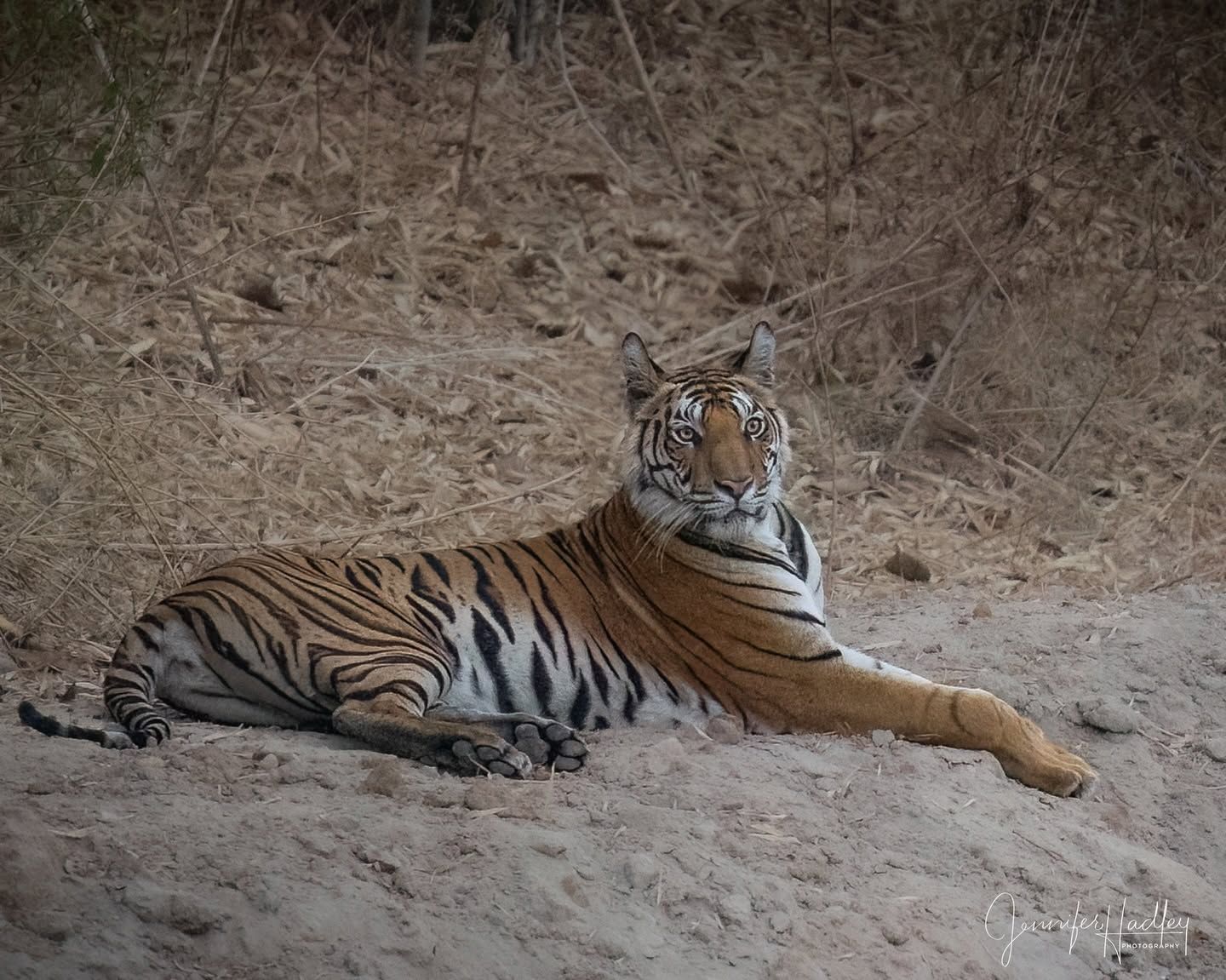
Step inside a day on Tiger Trails, from pre-dawn safari drives and tiger tracking to photography guidance, lodge downtime and evenings shared in Central India.
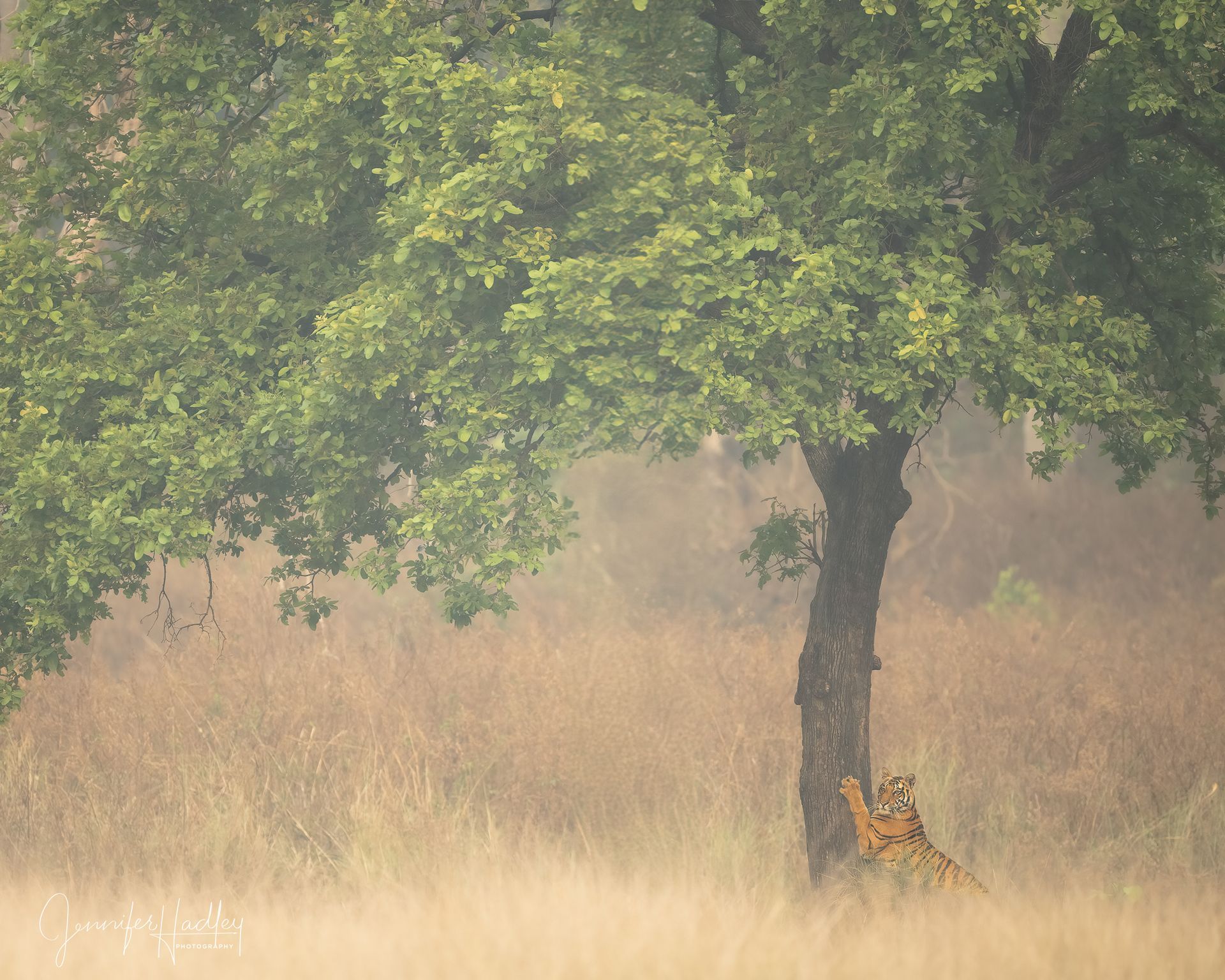
Learn how guides search for Bengal tigers, why multiple drives matter and what else you may photograph.
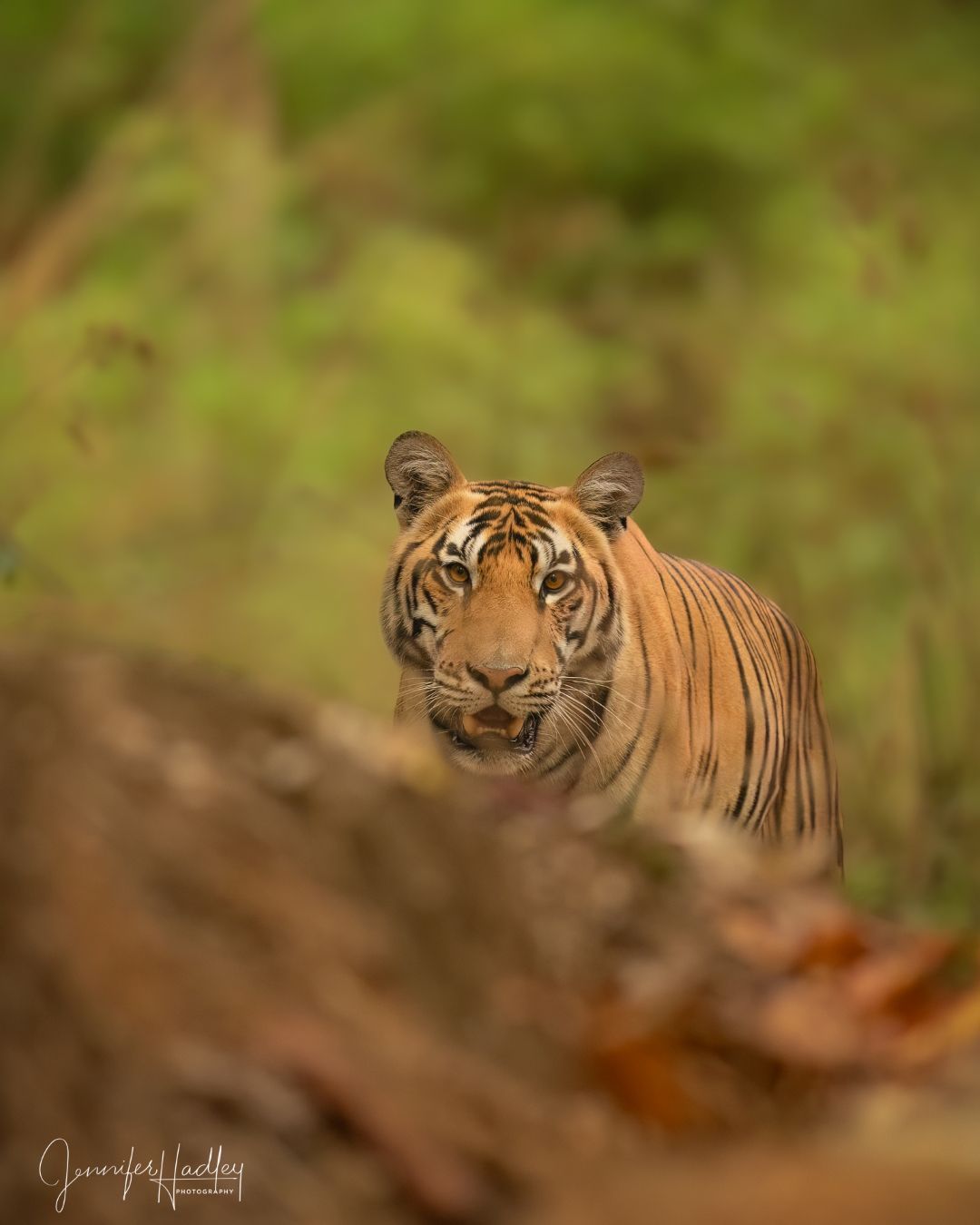
See what an India tiger photography safari includes, from accommodation and internal travel to safari access, meals and photography guidance.
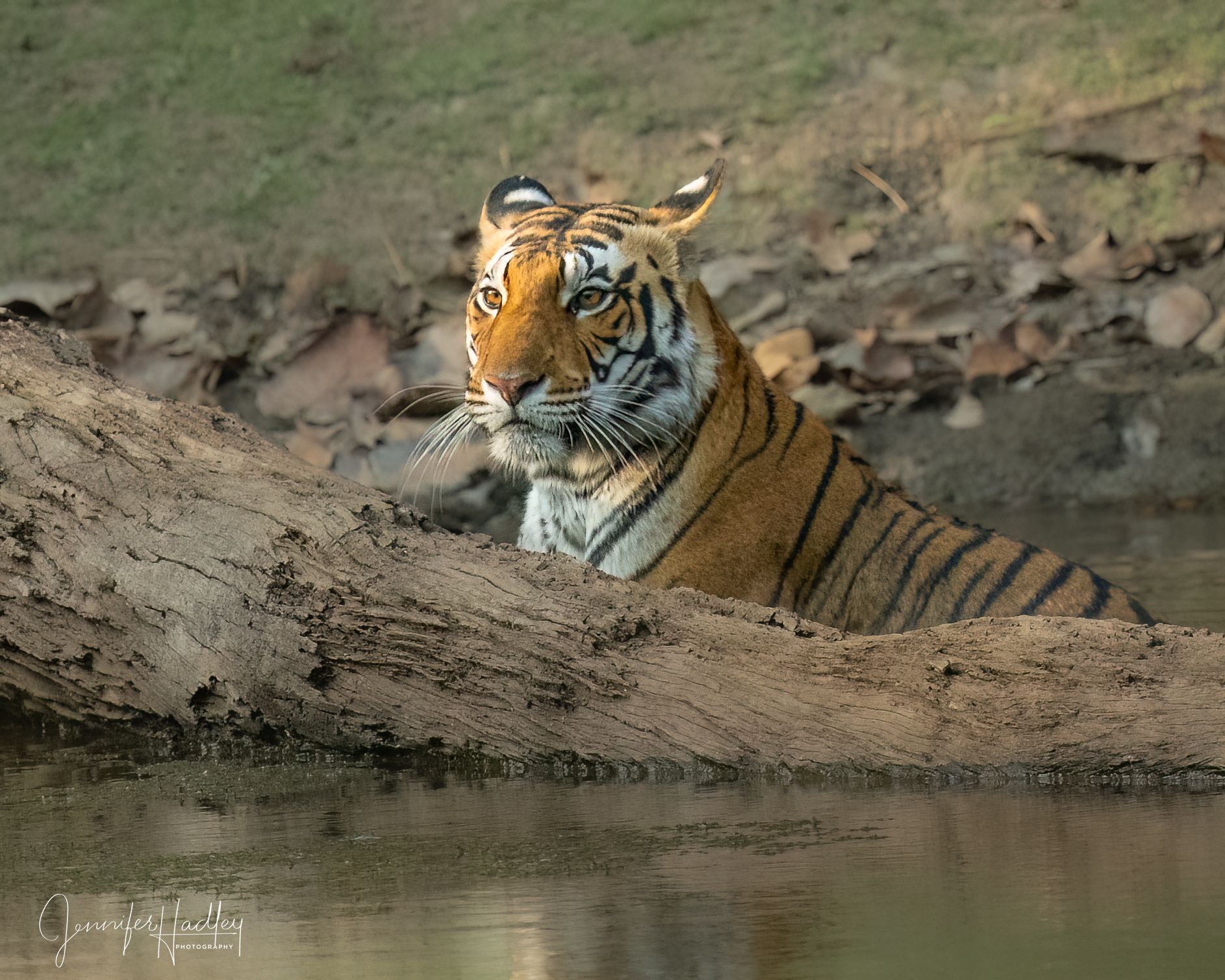
Compare Kanha and Bandhavgarh for tiger photography in India, including landscapes, wildlife, photographic conditions
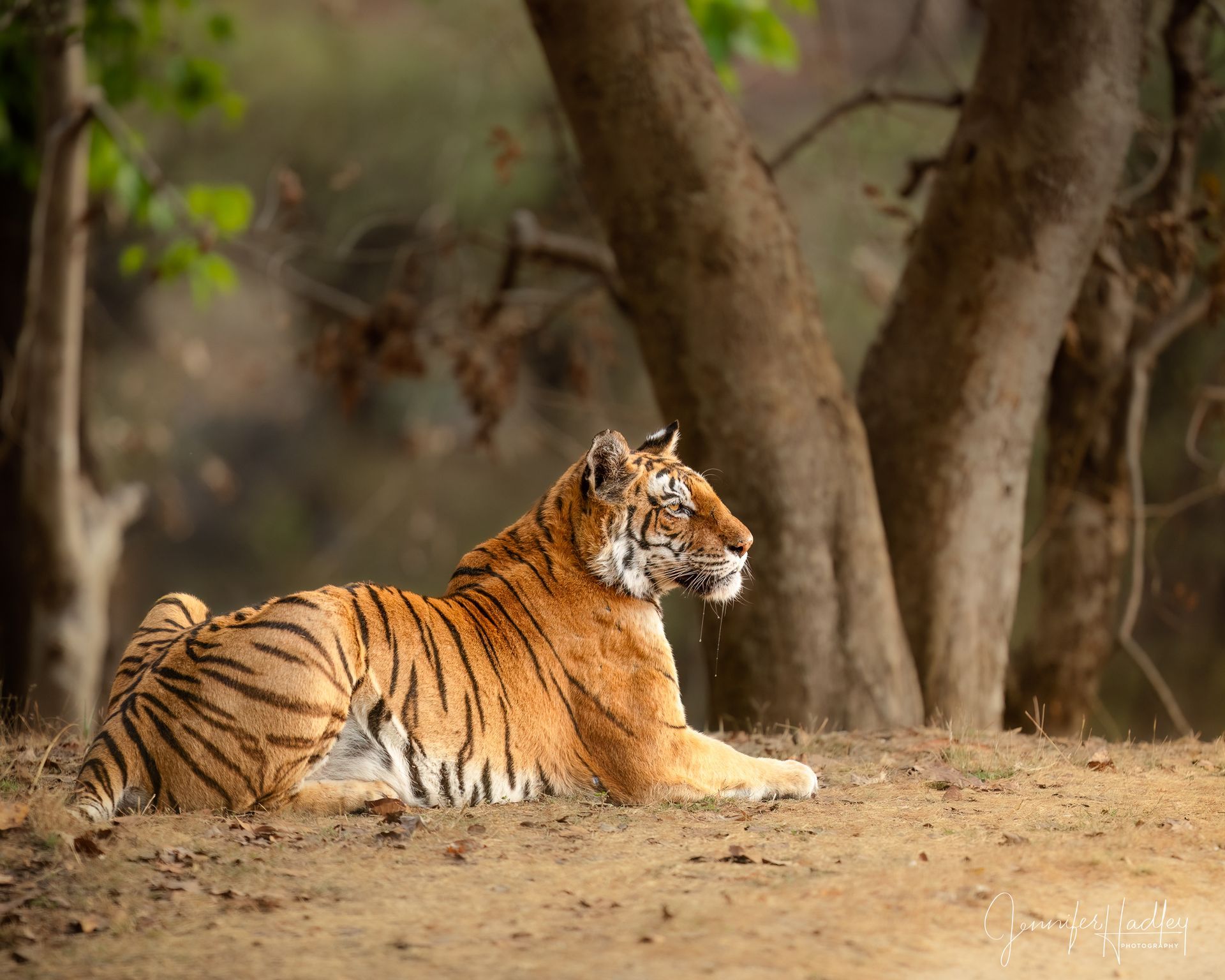
Compare a photography safari vs a regular safari in India, including jeep space, photography guidance, field time, and what to look for before booking.
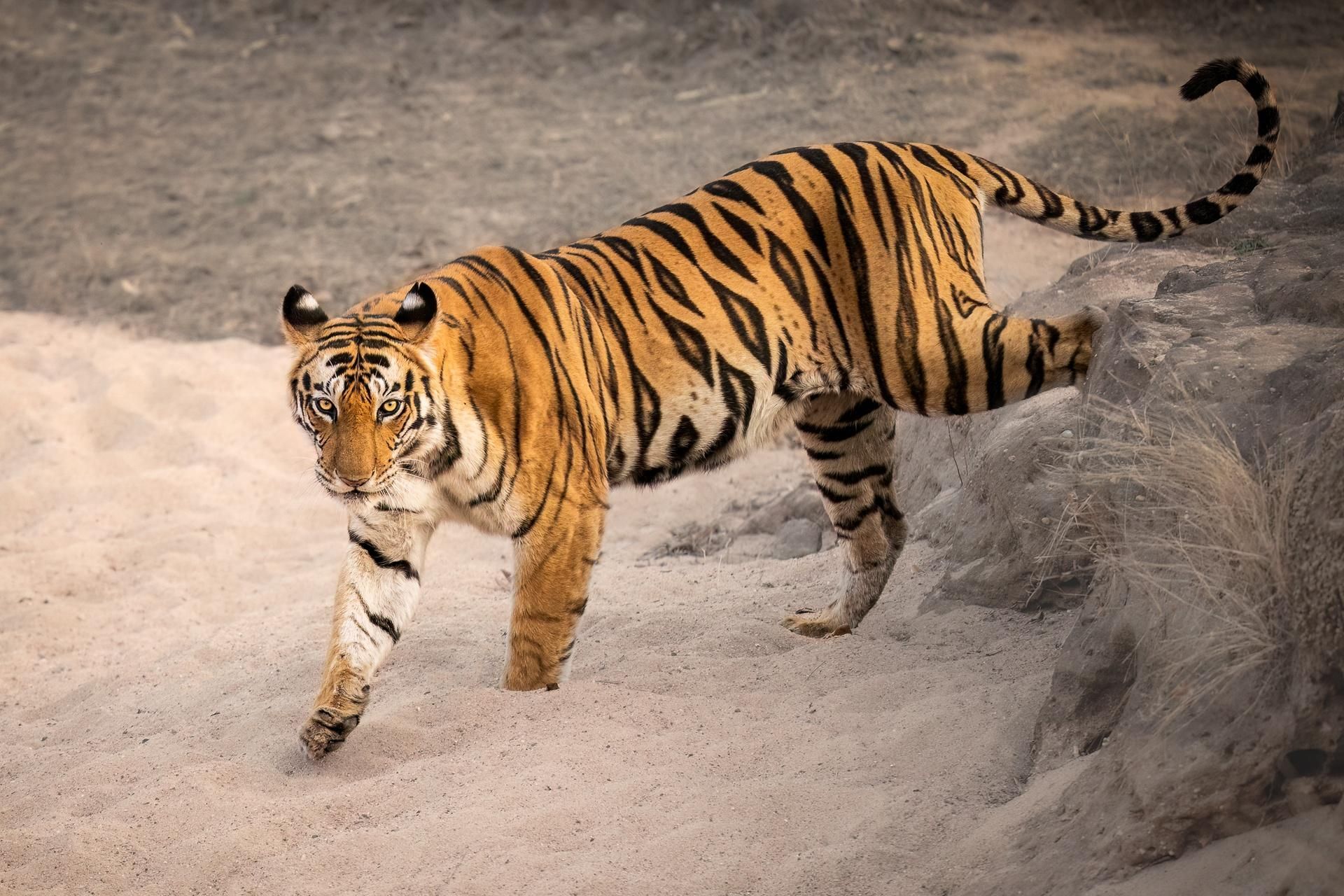
Discover how photographers, beginners and wildlife lovers can experience an India tiger safari with expert guidance from Jennifer Hadley Photography.