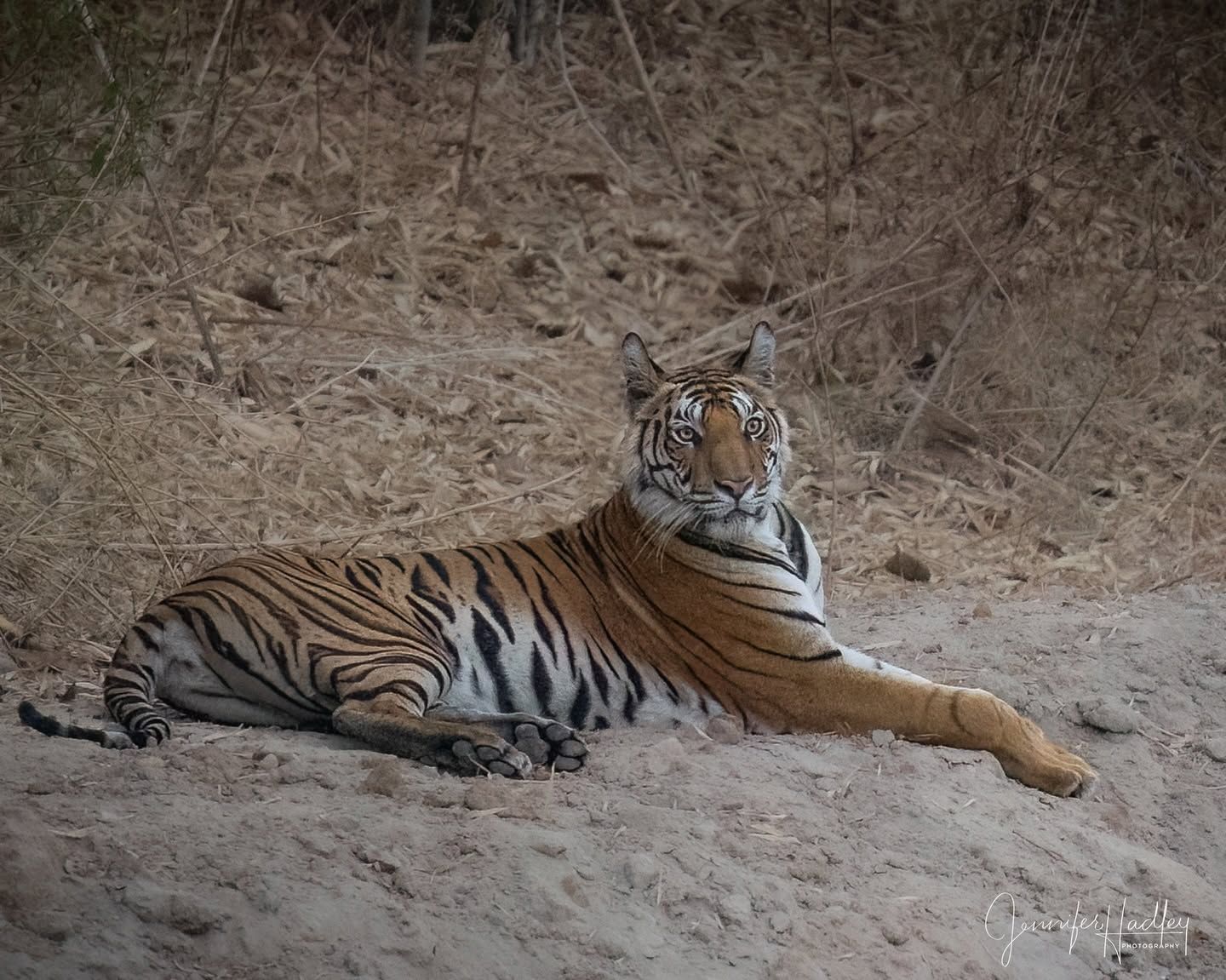
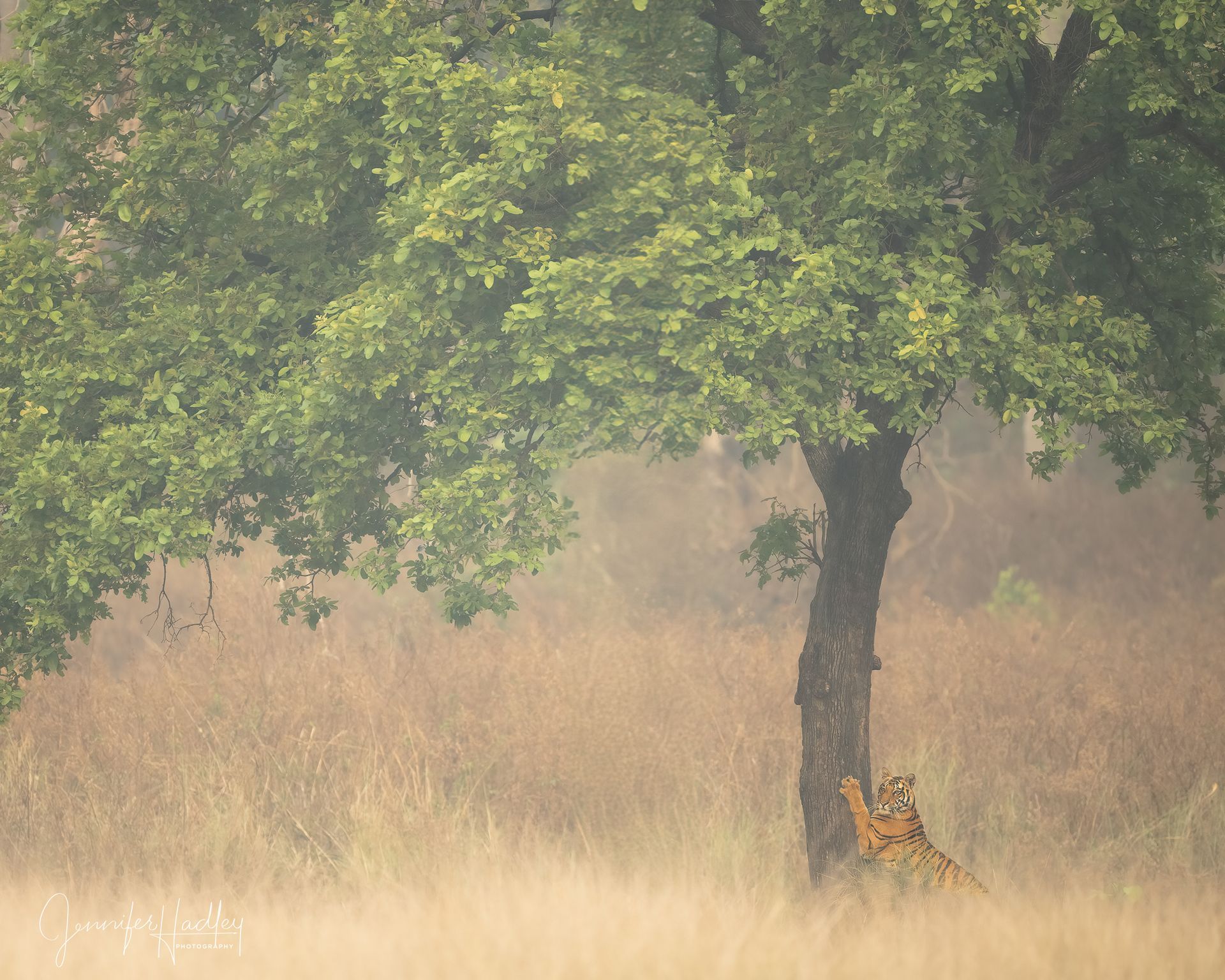
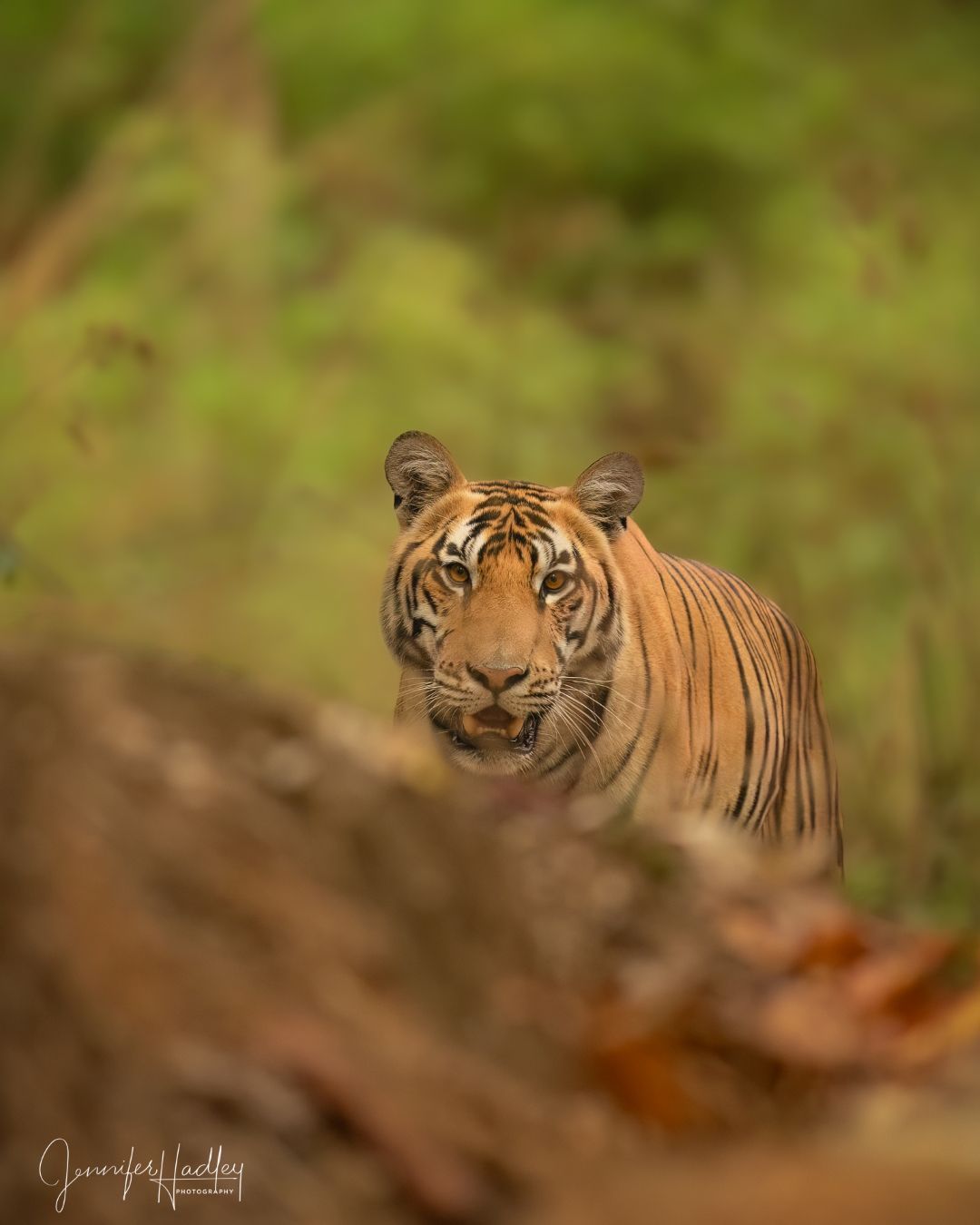
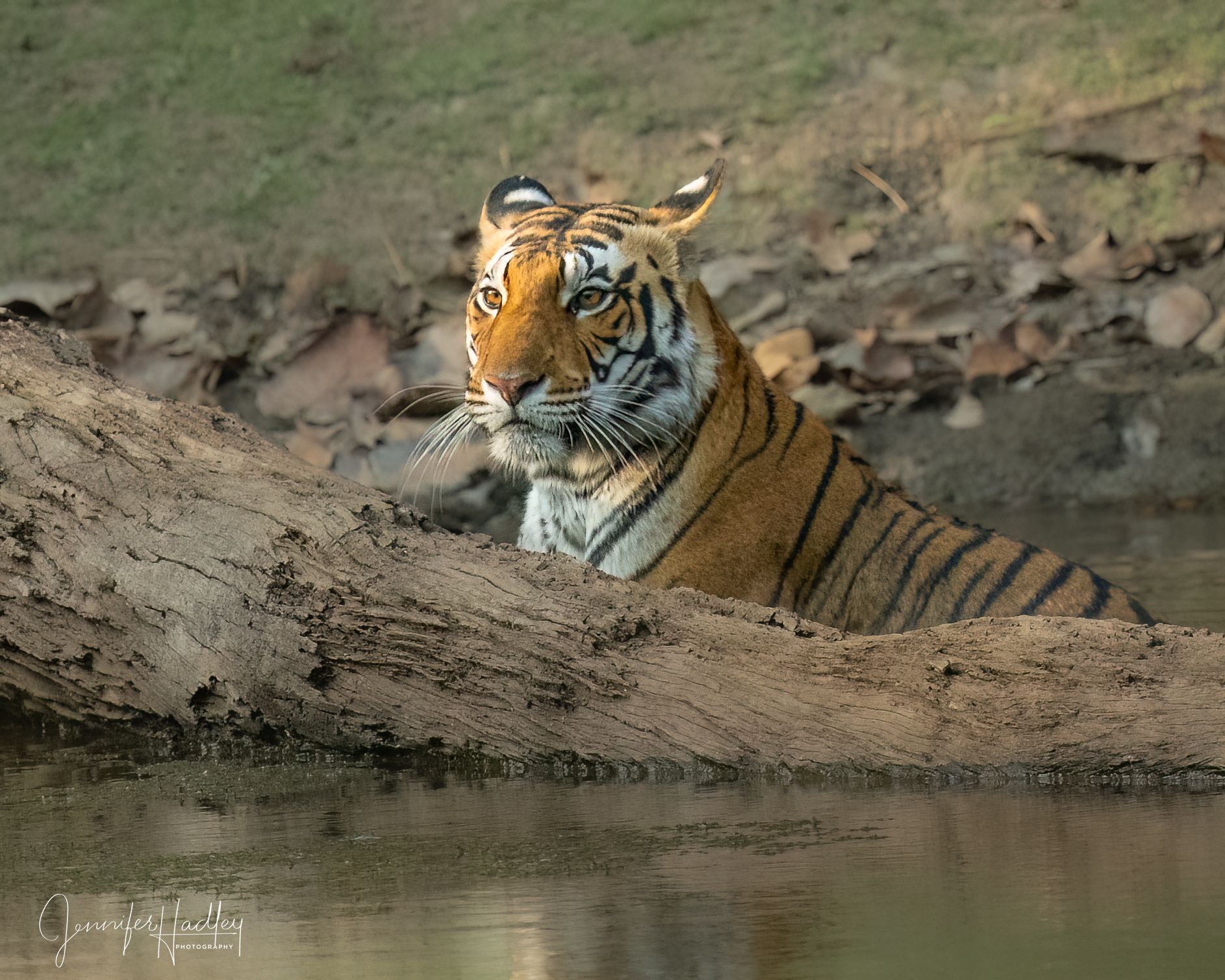
Key Takeaways
- You do not need to be an experienced photographer to join a wildlife photography safari.
- Wildlife lovers and non-photographer companions experience the same parks, animals, naturalist guides, safari drives, and accommodations.
- Jennifer Hadley personally hosts the journeys and provides practical photography and editing support for different experience levels.
- Small groups and only two travelers per safari jeep create space for both photography and wildlife observation.
Who Is an India Photography Safari Really For?
The phrase photography safari can sound highly specialized. It may bring to mind experienced photographers traveling with several camera bodies, large lenses, and years of technical knowledge. Professional photographers certainly benefit from a safari built around photography, but they are not the only people who can enjoy one. Our approach to
Tiger Trails has always been broader. These journeys are designed for photographers and wildlife lovers alike.
Some travelers join because photographing a Bengal tiger in the wild has been a long-standing goal. Others want to improve their wildlife photography under professional mentorship.
Some are relatively new to photography and want practical support while working in real field conditions. And some simply love animals. They may be traveling with a photographer, carrying binoculars instead of a long lens, taking occasional photographs on a smartphone, or joining because they want to experience India’s wildlife and landscapes firsthand. All of those reasons are valid.
Jennifer Hadley personally hosts and leads each Tiger Trails journey. As an award-winning professional wildlife photographer and experienced international photography tour leader, she works directly with photographers in the field while also making sure the wider wildlife experience remains central to the journey. The objective is not to make every traveler approach the safari in the same way.
A professional photographer may be thinking about light, backgrounds, shutter speed, and animal behavior. A non-photographer sitting beside them may be completely absorbed in watching the same animal move through the forest. Both are experiencing the same moment.
That is why an India photography safari for non-photographers can work particularly well when the experience is built around wildlife first and photography expertise is added to it, rather than photography becoming a barrier to participation.
What Can Non-Photographers Experience in India’s Tiger Country?
India’s tiger country offers far more than an opportunity to take photographs.
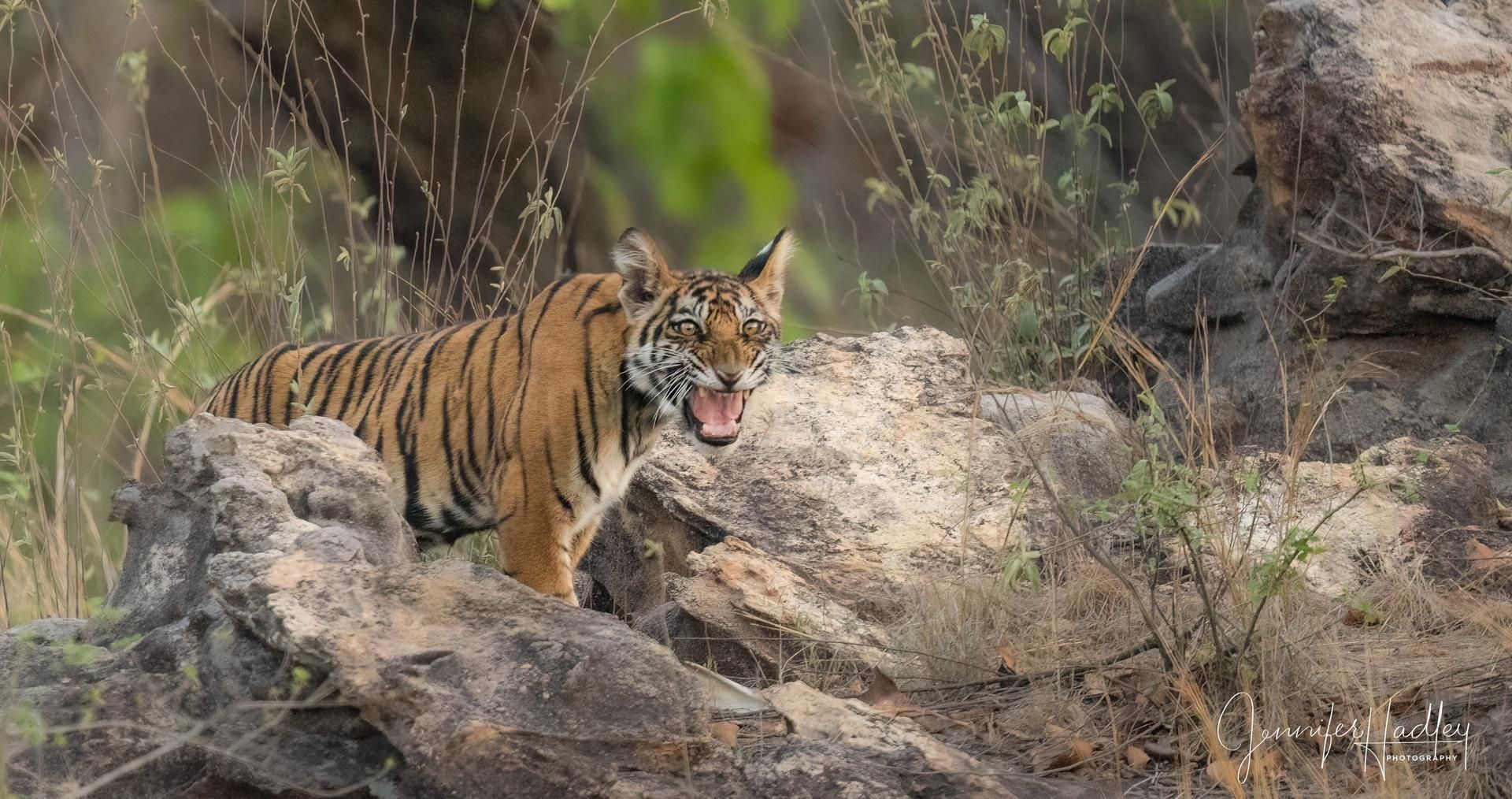
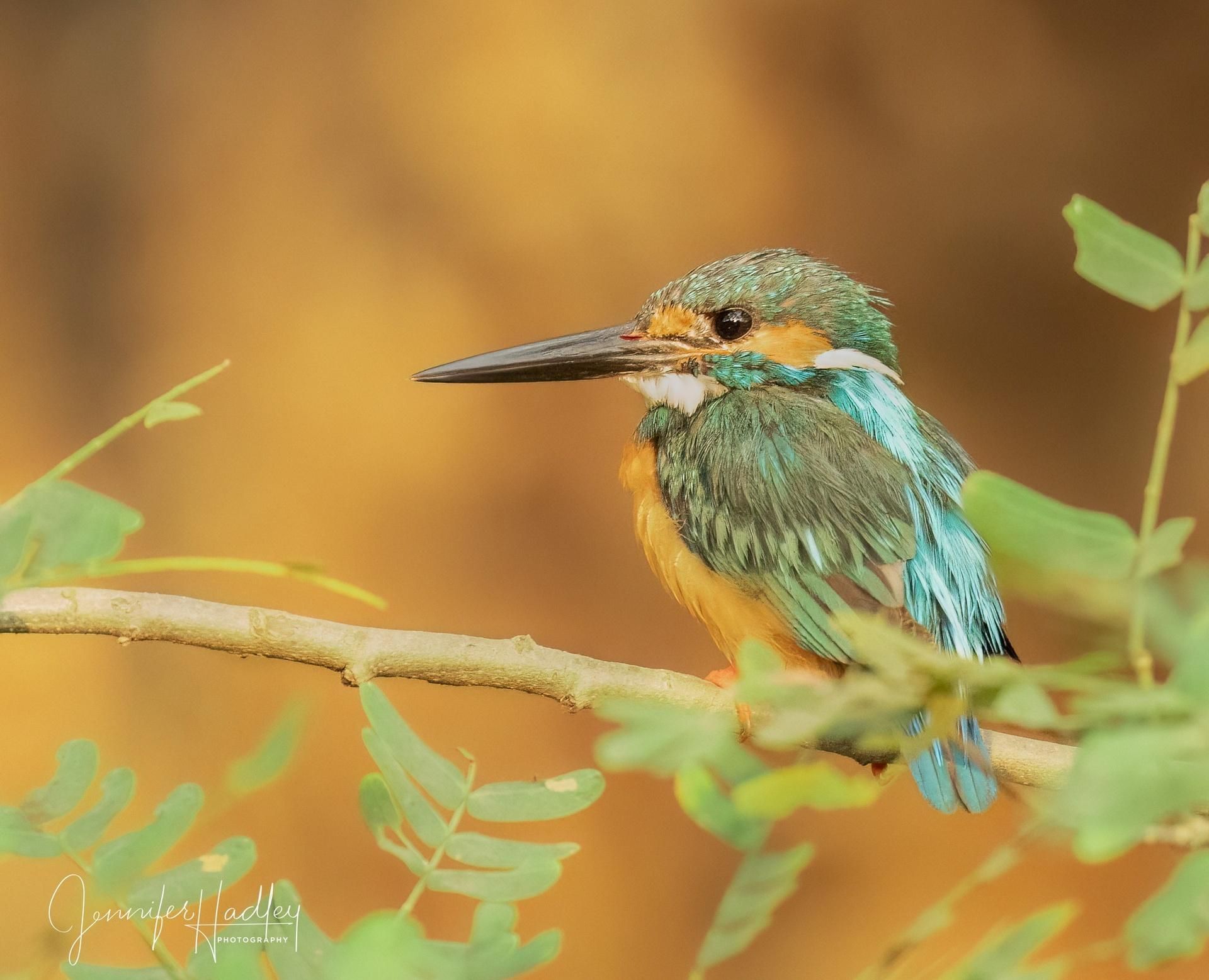
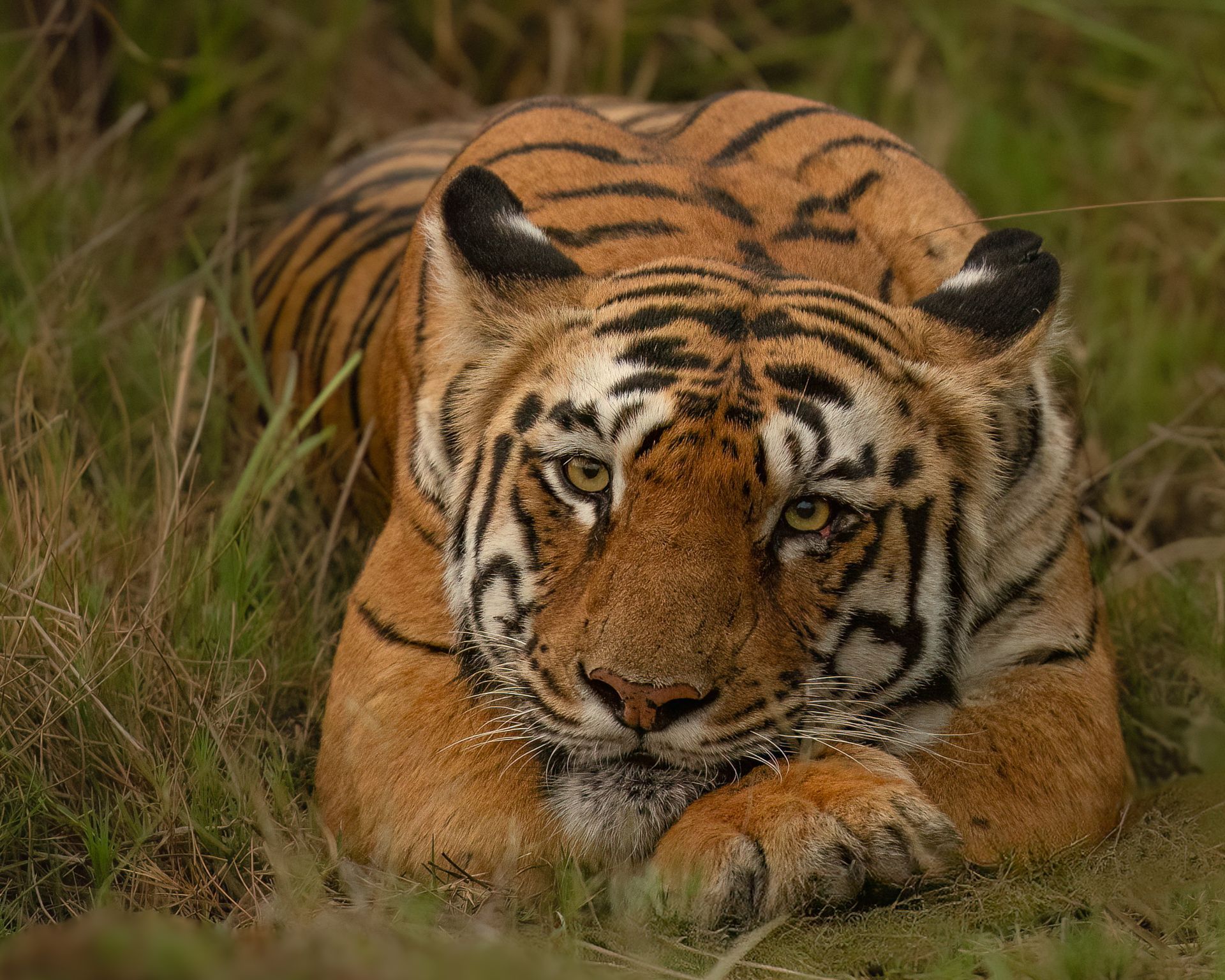
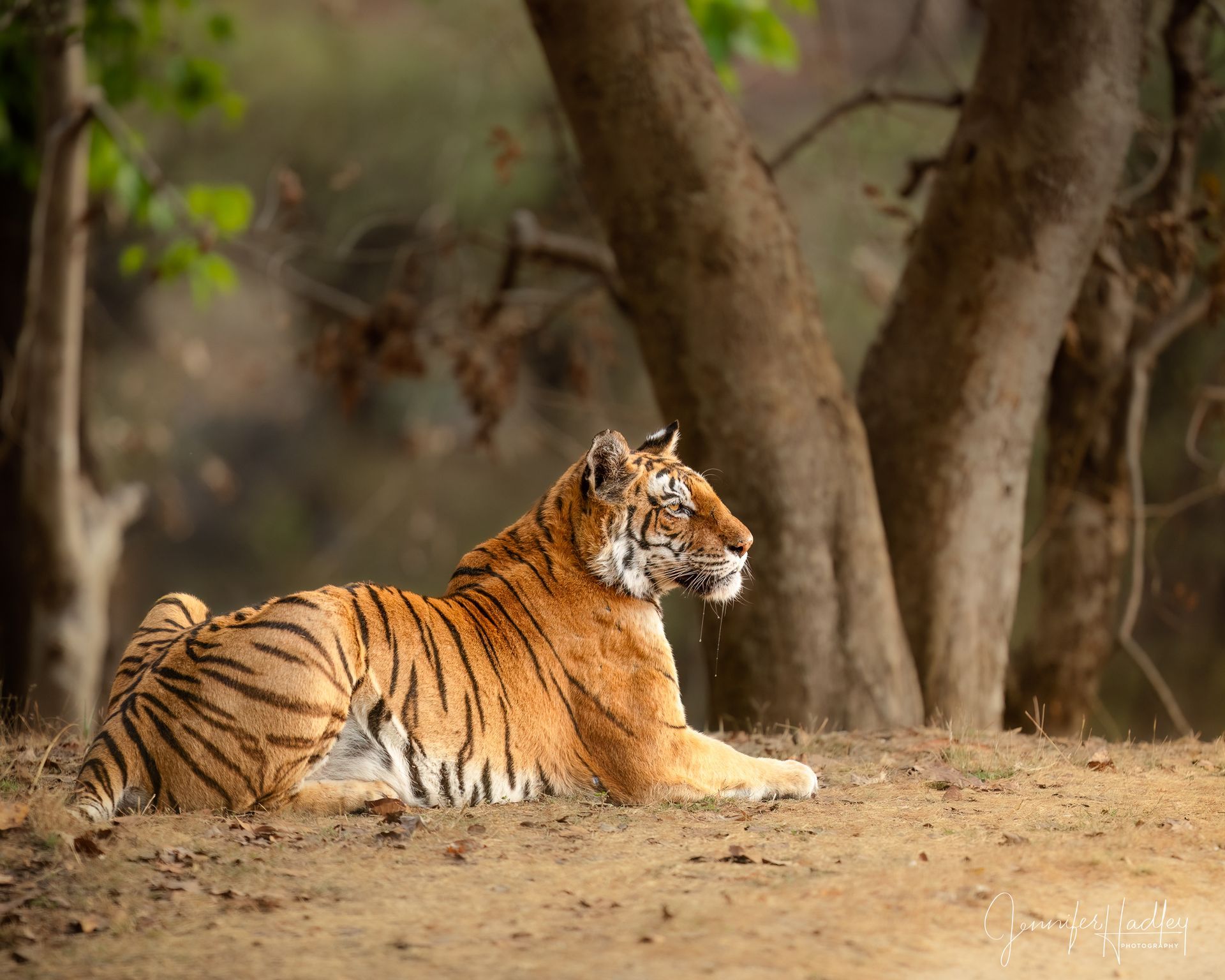
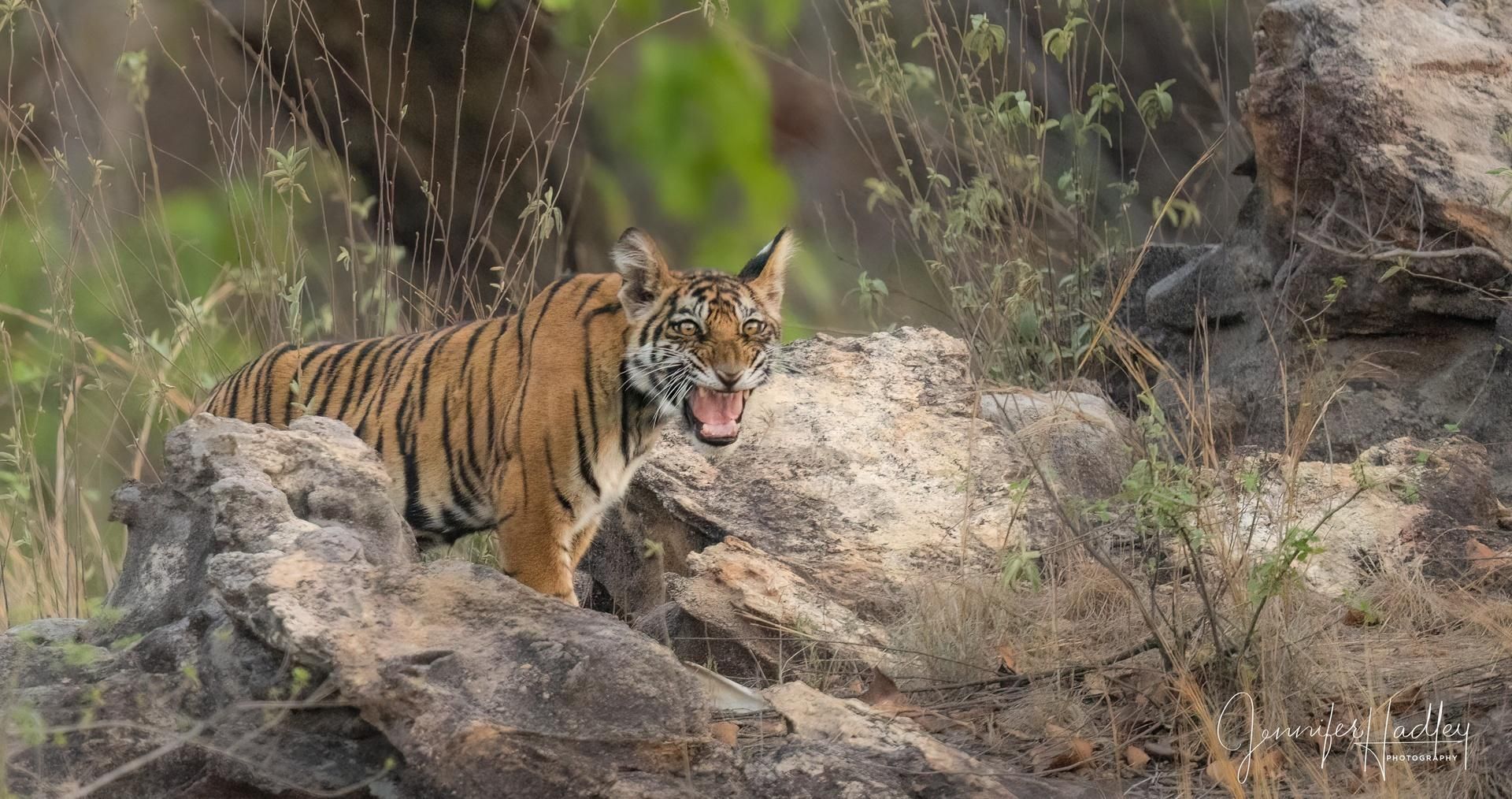
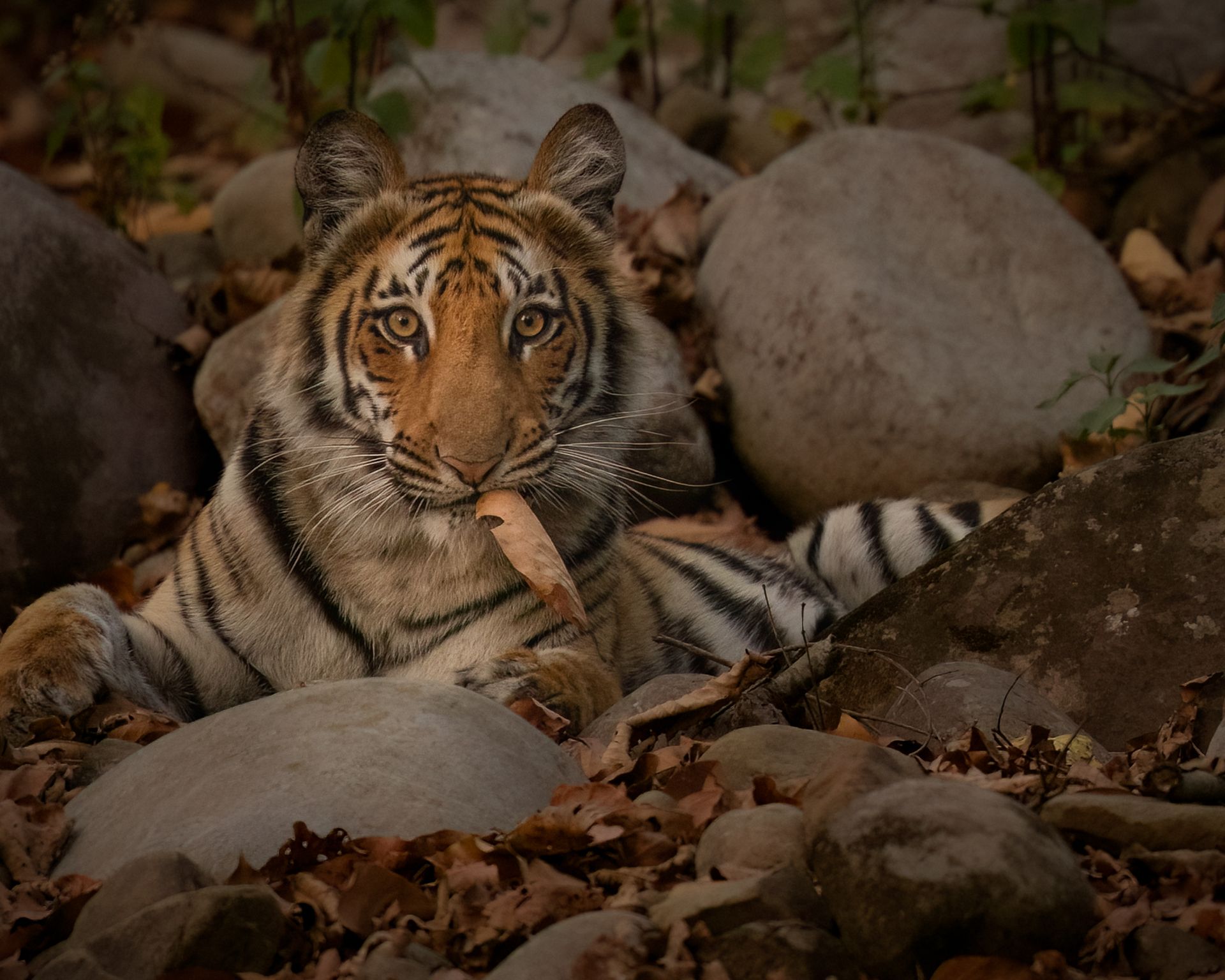
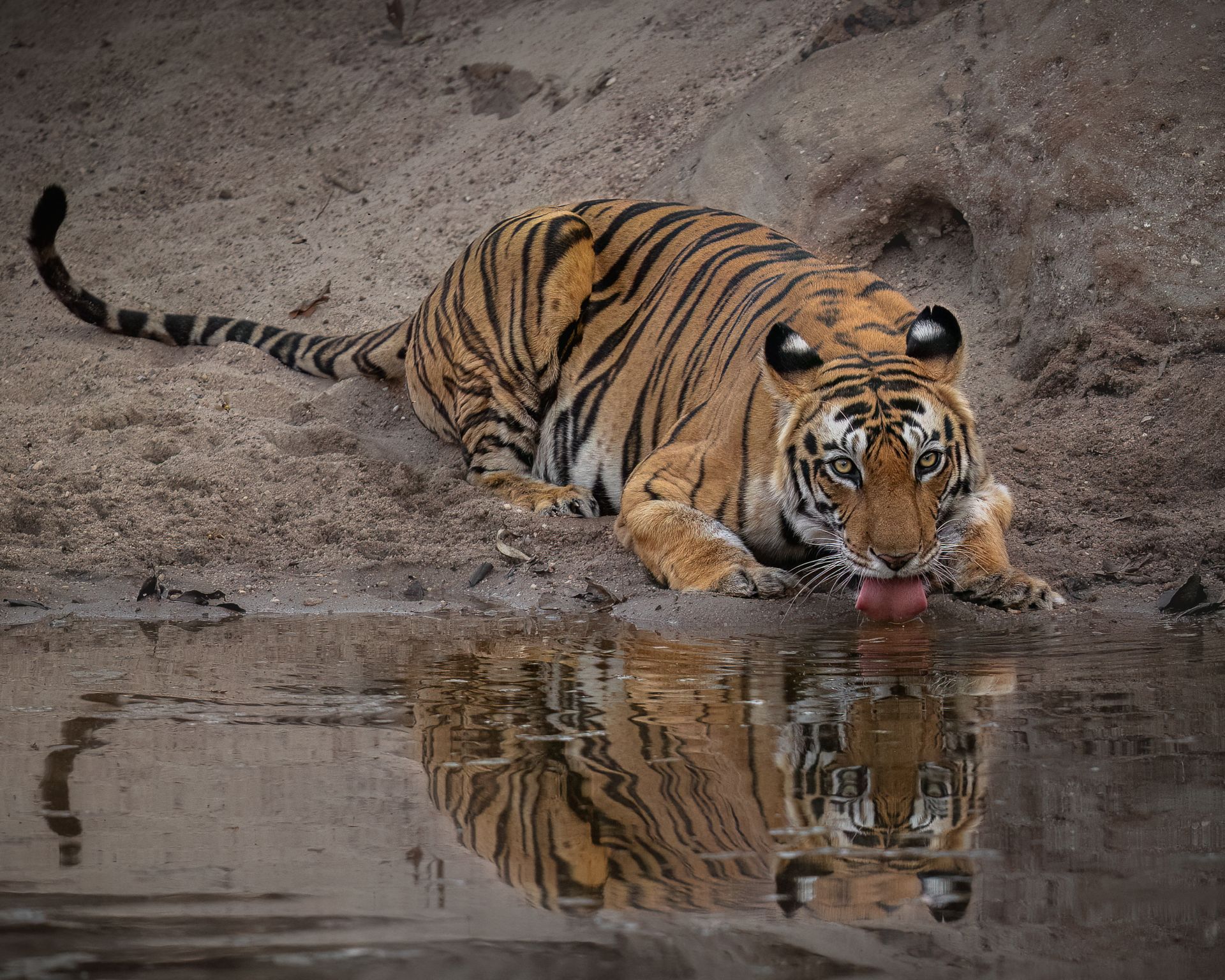
The landscape itself changes throughout the journey. Forests, meadows, rocky hills, lakes, grasslands, and waterholes create different habitats and different ways of experiencing wildlife. Bengal tigers may be the species many travelers most hope to encounter, but the national parks visited on Tiger Trails support a much broader range of wildlife. Depending on natural movement and conditions, travelers may encounter leopards, sloth bears, wild dogs, Indian gaur, spotted deer, elephants, and varied birdlife.
Experienced local naturalist guides are an important part of the experience. They bring knowledge of the parks, wildlife behavior, habitats, and the subtle signs that help reveal what may be happening beyond immediate view. A safari might involve listening to alarm calls that suggest a predator is nearby. It might mean watching deer or other animals react to movement in the forest. At other times, the experience is simply about being quiet enough to notice what is already around you.
None of that requires a professional camera. One of our previous travelers, joined his photographer wife on one of Jennifer’s wildlife journeys.
“My wife is the photographer (and I'm the Sherpa) so my experience has been thru the lens of my iPhone and binoculars, but as a true lover of all wildlife and nature, I have to say these trips have been far beyond my expectations!” .”
His recommendation to other non-photographers was straightforward:
“I would highly recommend these trips to any ‘non’ photographer looking to travel with their spouse, friend, or just by themself to get out and experience some of the most breathtaking places in the world!”
That distinction matters for travelers considering an India tiger safari for wildlife lovers. You are not simply accompanying photographers while they have the real experience. You are on the same safari, watching the same wildlife, learning from the same naturalists, traveling through the same landscapes, and sharing the same anticipation when there are signs that a tiger may be nearby. Photography is one way of engaging with the experience. It is not the only one.
Is Tiger Trails Suitable for Beginner Photographers?
Yes. Tiger Trails is designed to support photographers at different experience levels, from those still developing confidence with their cameras to experienced wildlife photographers refining their technique.
Jennifer’s mentorship happens in the field, where photography decisions actually need to be made. Wildlife rarely waits while a photographer works through camera settings.
A tiger may emerge from forest cover and move across an opening. Light may change rapidly as the safari vehicle moves between dense trees and brighter clearings. A bird may take flight unexpectedly. An animal may turn away or disappear into vegetation within seconds. These are real photographic conditions.
For someone considering a
wildlife photography safari for beginners, having a professional photographer alongside them means they do not have to solve every technical problem alone.
Jennifer provides hands-on guidance around photography and editing throughout the journey. Depending on the photographer’s experience, this may involve working on camera settings, composition, timing, or responding to changing wildlife behavior and light. More experienced photographers may be concentrating on different challenges. They may already understand their equipment thoroughly but want to refine composition, anticipate animal movement more effectively, or create stronger story-driven images rather than simply documenting a sighting. The guidance adapts accordingly.
Tiger Trails also limits each safari jeep to only two photographers. This is particularly important for wildlife photography. Camera equipment takes space, and photographers need room to move when an animal changes position or approaches from a different direction. With only two photographers in the jeep, photographers have greater freedom to reposition themselves and their equipment without competing with a full vehicle for shooting space.
For beginners, that creates a less intimidating environment in which to learn. For experienced photographers, it provides the working space required to concentrate seriously on the image.
Can a Photographer and Non-Photographer Travel Together?
Yes, and they do not need to experience every part of the journey in the same way.
A photography safari with a non-photographer partner works when both travelers have something meaningful to gain from the destination.
On Tiger Trails, the photographer may be thinking carefully about settings, light, composition, and the next possible movement of an animal.
Their spouse or travel companion may be watching through binoculars, taking occasional smartphone photographs, listening to the local naturalist, or simply experiencing the wildlife without a camera between themselves and the moment. Neither approach is more legitimate than the other.
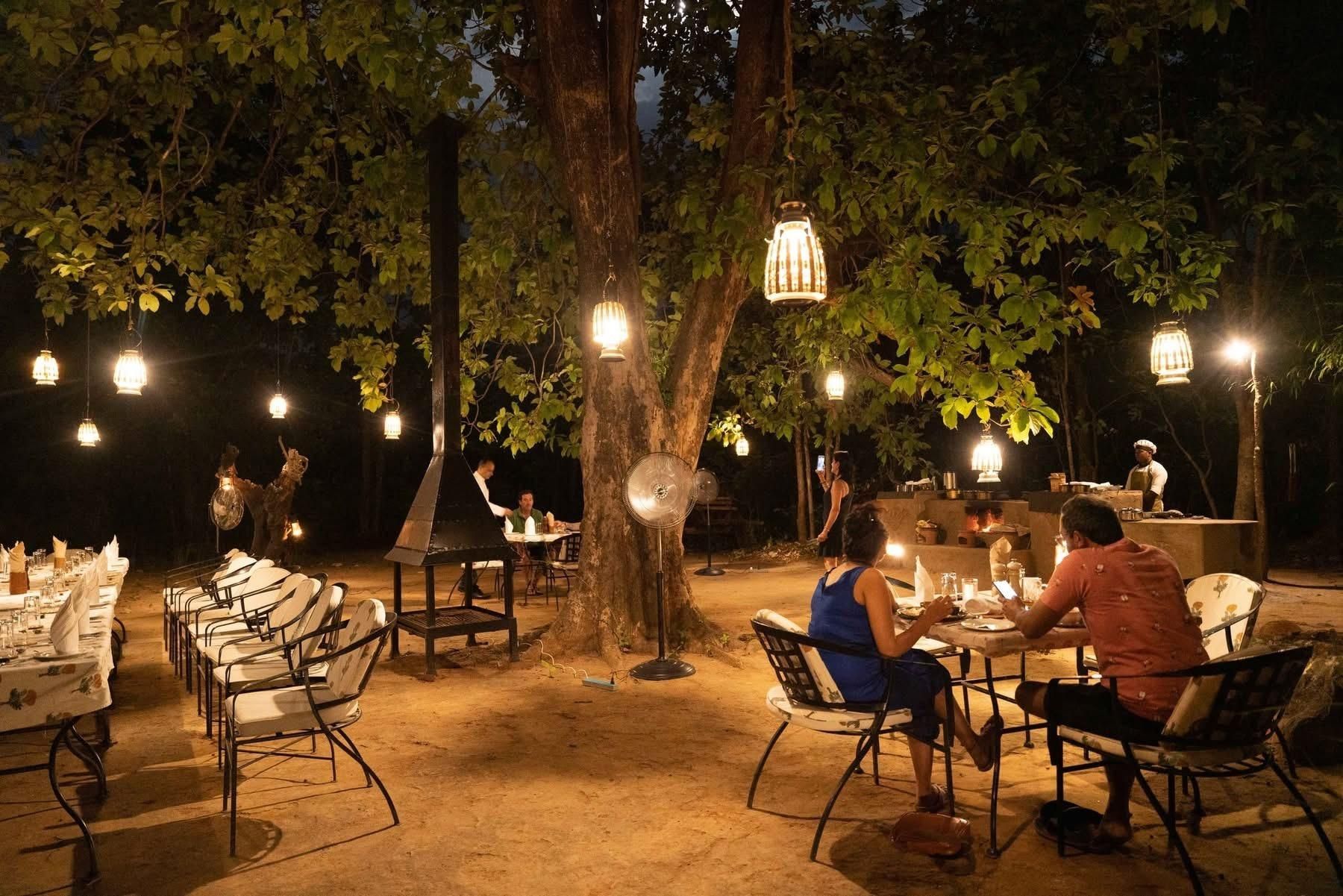
The daily rhythm also gives travelers some independence. Safari days typically include morning and afternoon drives with a break during the middle of the day. Between drives, travelers return to their accommodations for lunch and time to rest.
A photographer may choose to download images, work on editing, or discuss photography with Jennifer.
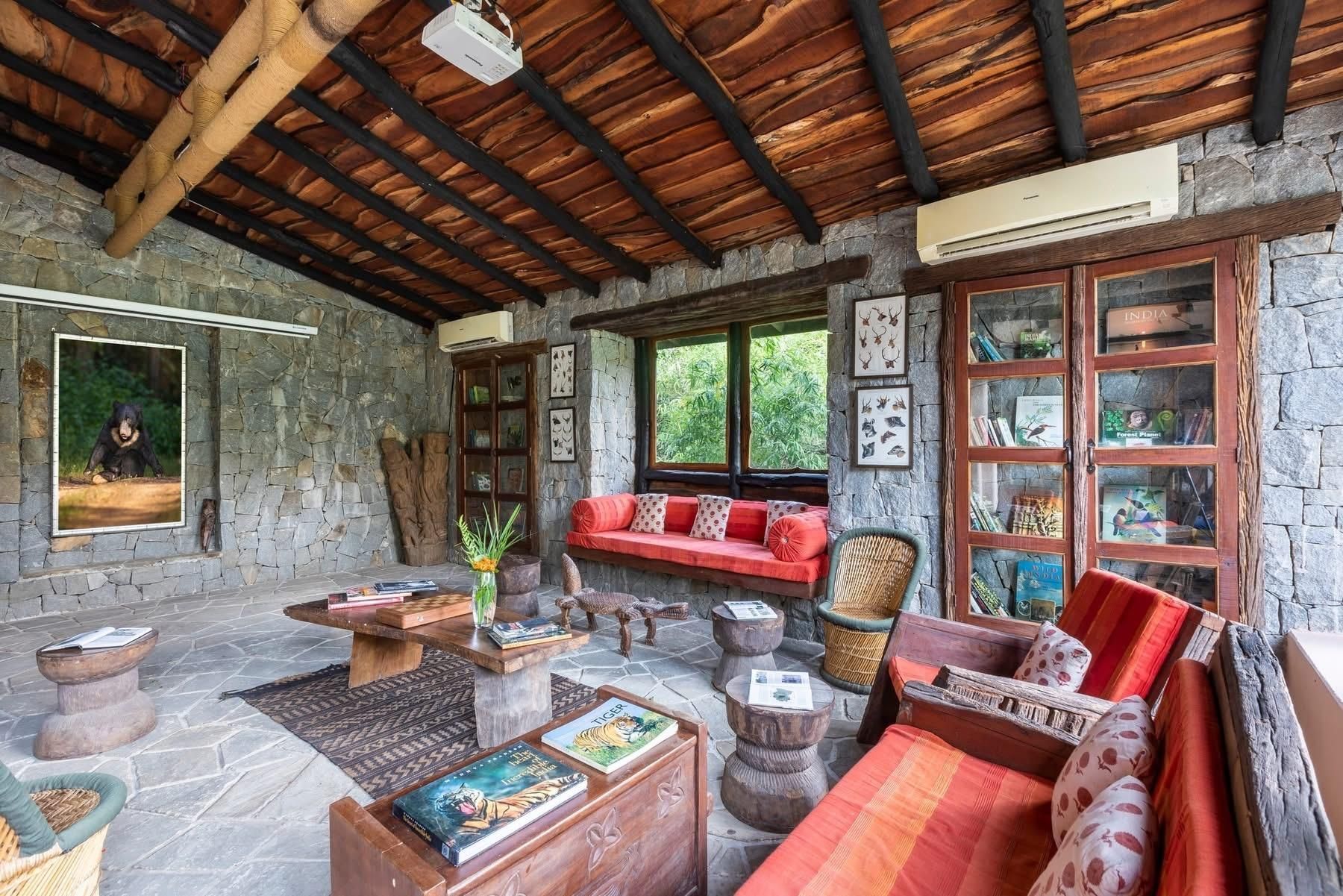
A non-photographer companion may prefer to swim, read, rest, enjoy the lodge surroundings, or simply take some time away from the camera conversation.
That flexibility allows couples and friends with different interests to share the larger journey without needing every part of the day to revolve around exactly the same priorities.
For travelers considering an India safari without professional camera equipment, this is important. You do not need to buy expensive photography equipment simply because you are traveling with someone who takes their photography seriously.
The wildlife experience remains available to both of you.
How Photography Guidance Adapts to Different Experience Levels
Every photographer arrives with a different combination of equipment, experience, confidence, and creative goals.
Jennifer’s role is not to turn everyone into the same photographer. It is to help each person make better decisions with the tools and experience they already have. As an award-winning professional wildlife photographer, Jennifer brings her own field experience into the safari vehicle. She has also led photography workshops and wildlife journeys internationally, working with photographers at different stages of their development.
For a newer photographer, useful guidance may involve understanding how shutter speed or exposure needs to change as conditions shift. Another photographer may need help preparing before an animal moves rather than reacting after the moment has already begun. More advanced photographers may be concentrating on composition, anticipating behavior, using the environment more deliberately, or refining how an image tells a story. The mentoring continues beyond the safari drive.
Between field sessions, photographers can review images and receive editing support at the accommodations. This allows photographers to examine what worked during a morning drive and apply those lessons when they return to the field later that day. The combination of professional photography mentorship and experienced local naturalist knowledge is central to the way Tiger Trails operates. The naturalists bring detailed understanding of the parks and wildlife.
Jennifer brings the professional photographer’s perspective. Those two areas of expertise work together in the field. Tiger Trails also includes a dedicated full-day safari experience, providing extended time inside the park beyond the usual split morning-and-afternoon schedule. This creates more continuity for photographers and wildlife travelers alike, allowing the group to remain immersed in the landscape as conditions change throughout the day.
Wildlife sightings are never guaranteed.
Tigers and other animals move freely through natural landscapes, and the experience depends on patience, observation, and the willingness to let encounters develop on the animals’ terms.
That is true whether you are holding a professional camera or a pair of binoculars.